
Building regional capacity: ‘Namgis Business Development Corp
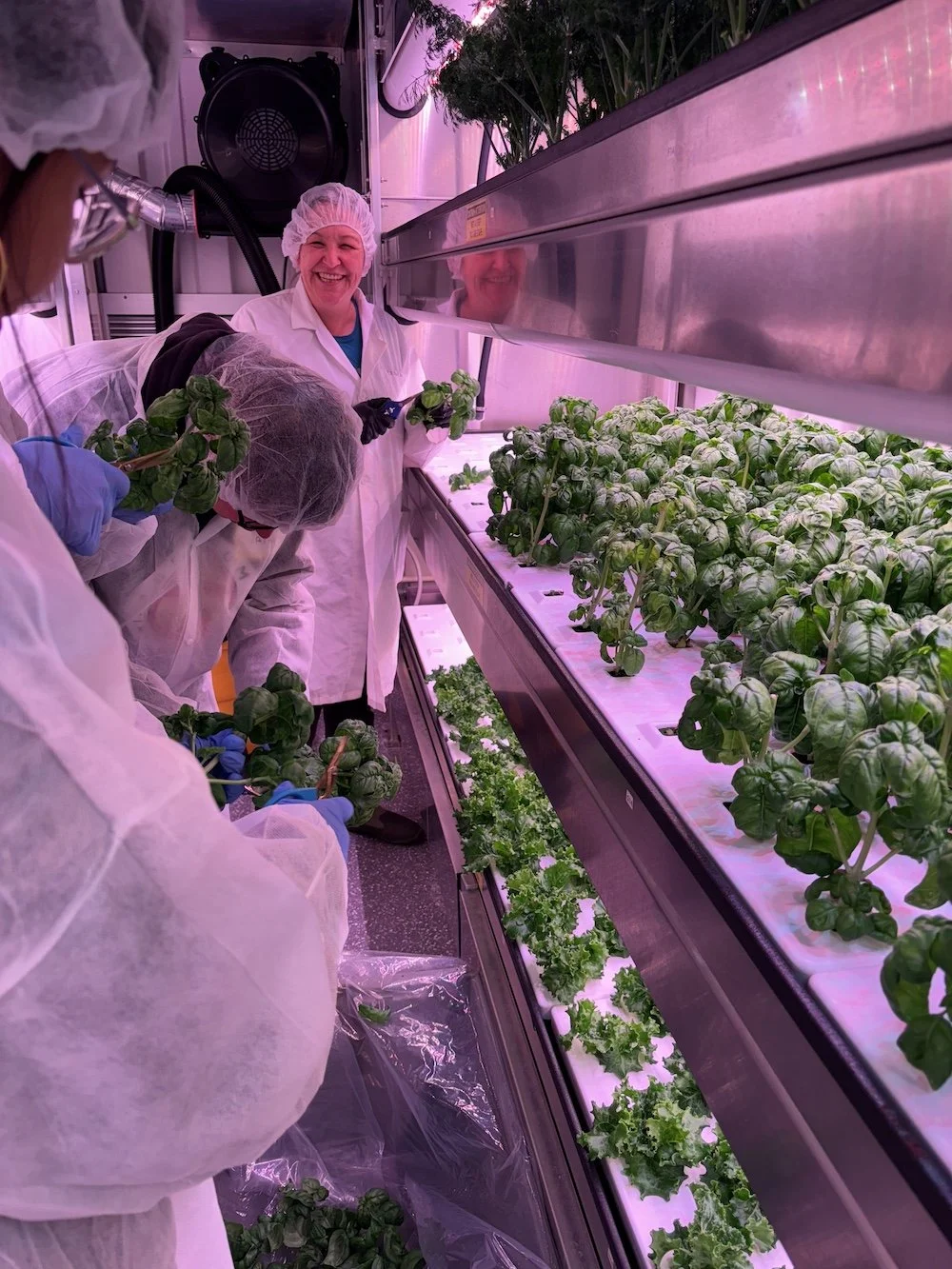
NBDC hosted 3 community Rootcamps to teach indoor agriculture.
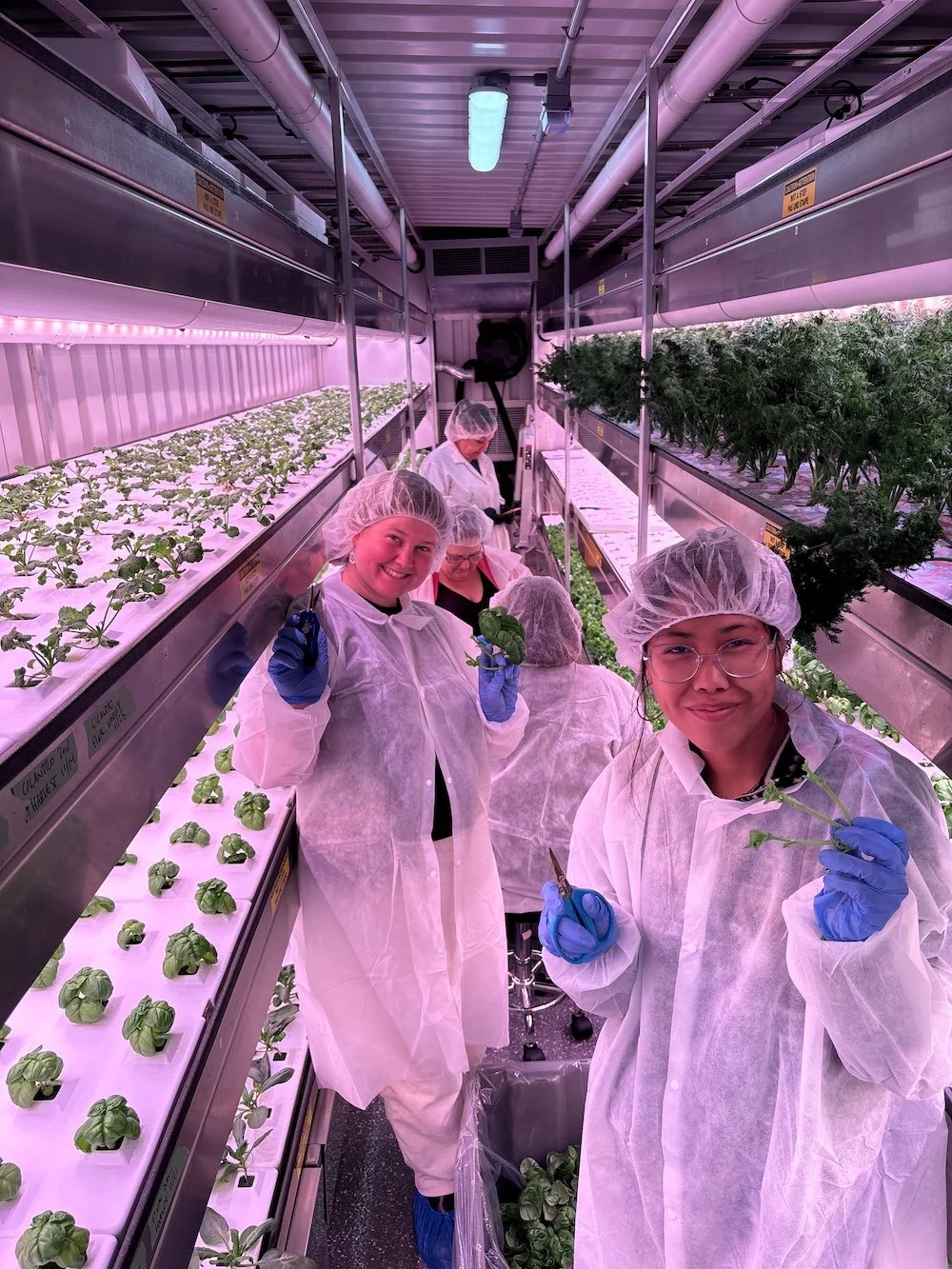
Growcer helped secure a grant to ensure barrier-free training.
Project at a Glance
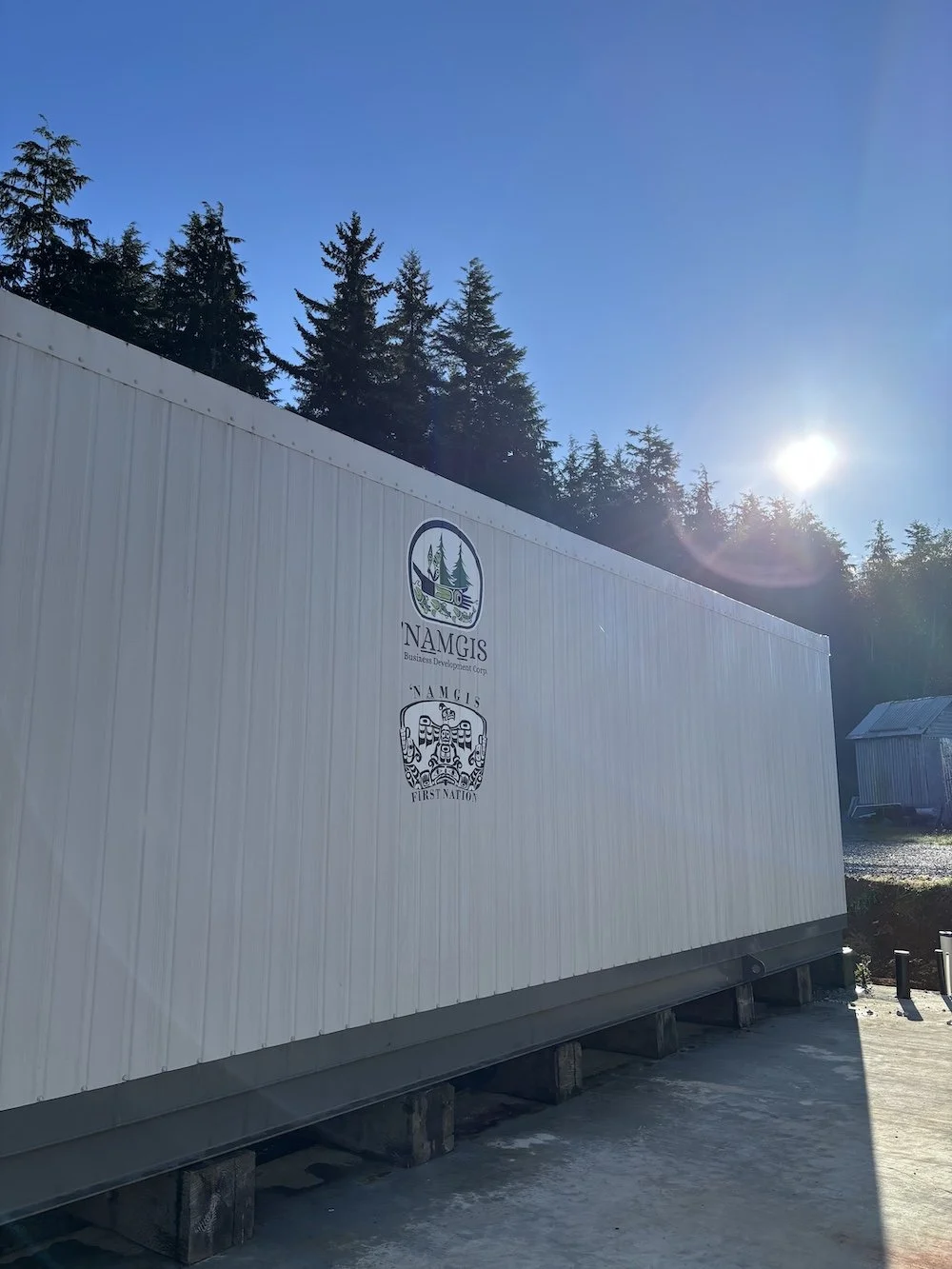
Launched April 2025 in ‘Namgis First Nation (Alert Bay, British Columbia.)
Goal: Provide fresh food year-round to the community and region while creating meaningful employment, training opportunities, and fostering community pride and wellness.
Distribution: Fresh produce is distributed to community members every Friday with plans to include local grocery stores, food box subscriptions, and restaurants in the mix.
Impact: In addition to adding a source of fresh produce to the Island, the farms created new jobs and a sense of pride for community members. With Growcer’s help, a grant was secured for NBDC to host three Rootcamps to train B.C. residents on indoor agriculture.
Operator: Two full-time staff, plus a horticulture mentor and part-time staff for additional support when needed.
“ It has social dividends that you can’t even begin to calculate. What it means for somebody who’s learning a new skill, to have a job, to have this food in the community, to see the faces. Those are the kinds of things that really give life to this project.”
Challenge: Food Insecurity on a Remote Island
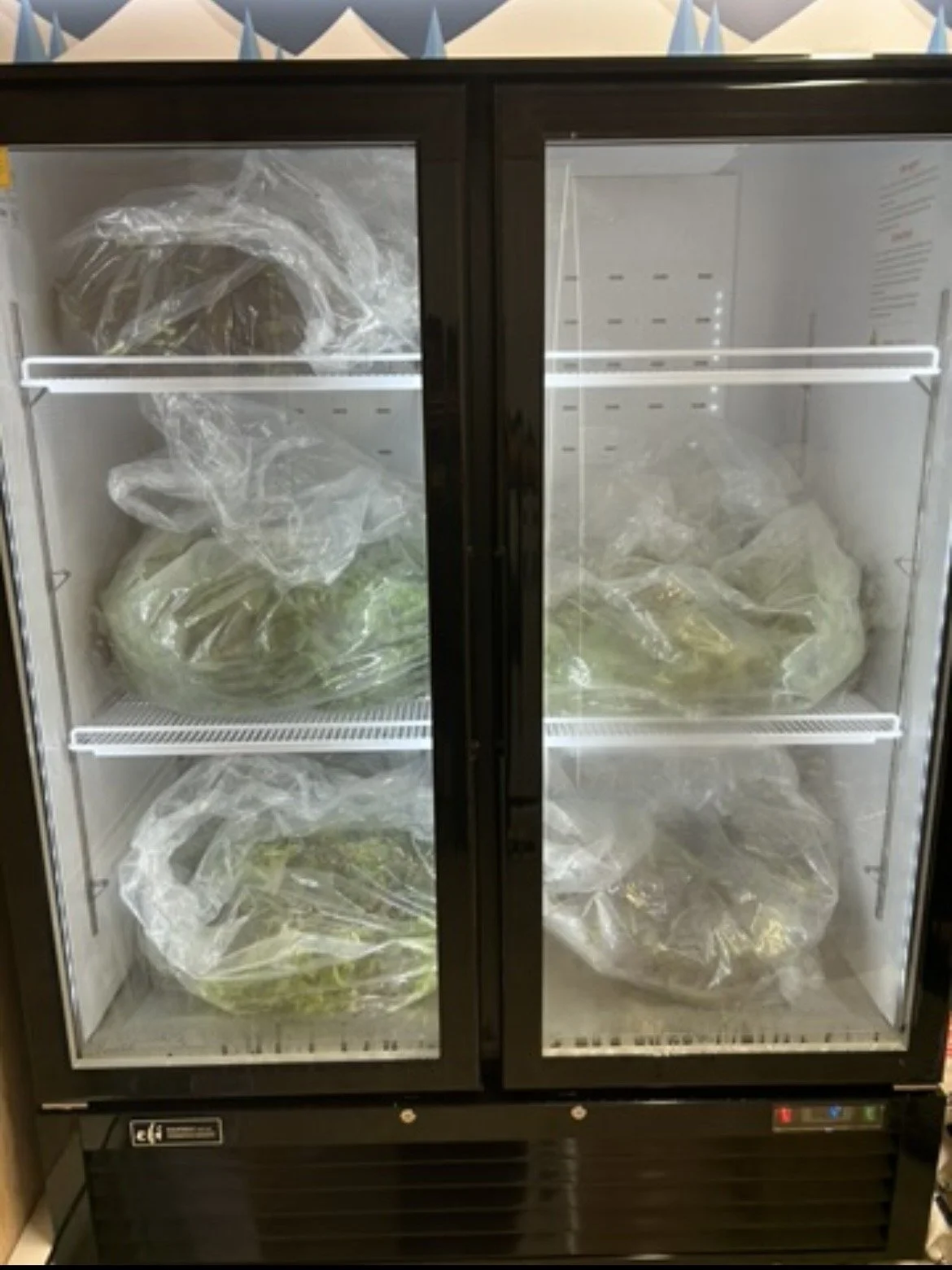
Alert Bay sits at the end of a long supply chain. Fresh produce must travel by ferry from Vancouver to Vancouver Island, up to the northern tip, then across another ferry to reach the community. By the time food arrives, it’s “tired,” and sometimes there’s no food at all.
When COVID-19 hit, the shelves went empty. Road washouts and ferry disruptions can create food access emergencies overnight. For seven to eight months of the year, fresh local greens simply aren’t available. The quality of imported produce ranges from marginal to poor, and the community knew what they were missing because years ago, a well-supported greenhouse on a nearby island burned down and was never rebuilt.
“Local food is important for us now because availability is marginal at best . . . so to be able to have fresh, locally food grown is a real plus for us and it’s welcomed so much by the community,” says Gaby Wickstrom, interim CEO of Namgis Business Development Corp (NBDC) who launched the food project.
Solution: Growing pride through local food and jobs
‘Namgis Business Development Corp secured grant funding with Growcer’s help to purchase two modular farms to grow fresh food year-round.
“There is such a noticeable difference between what is on the shelves and what we’re offering. The community is just thrilled with it,” Wickstrom says.
But NBDC didn’t just buy equipment: they found a true partner for their food security goals. Growcer provided comprehensive wraparound support that made the difference between a good idea and a successful project.
Funding was the first hurdle. As a small organization without a grant writer on staff, NBDC needed help.
“For a lot of nations that is an issue. You have to pay a grant writer, find a grant writer, and the person isn’t always from the community. It’s important to know that Growcer did listen to us and what worked for our community, what would be put in the grant application that was possible or not possible,” Wickstrom says. “[They] really took our feedback.”
Growcer worked with them to develop grant applications, creating templates the team could leverage across multiple funding opportunities, and despite an initial rejection, grants started coming.
When the farms arrived there were some challenges, like fungal growth, but Growcer responded, sending technicians and troubleshooting until issues were resolved. The partnership extended to training too.
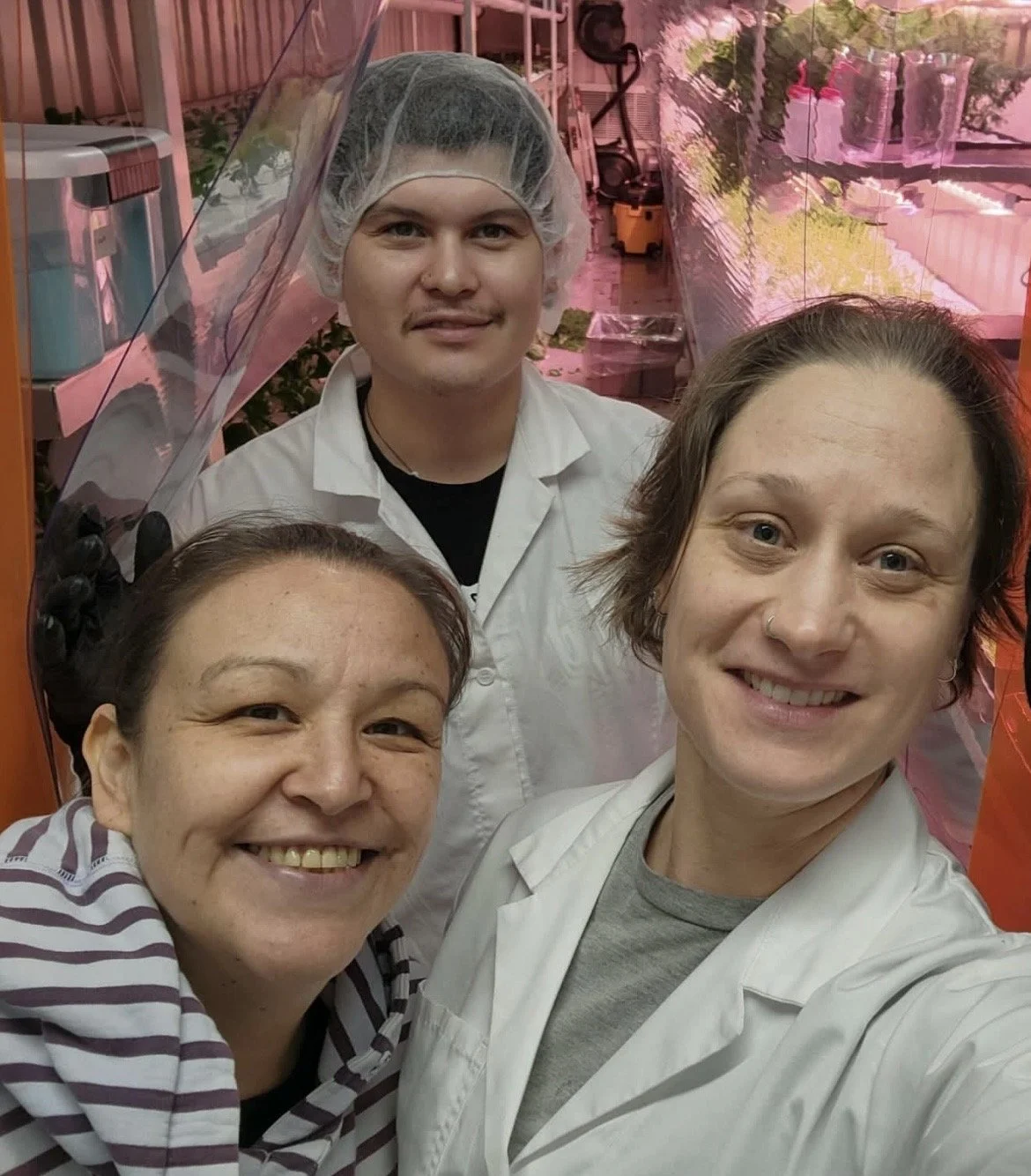
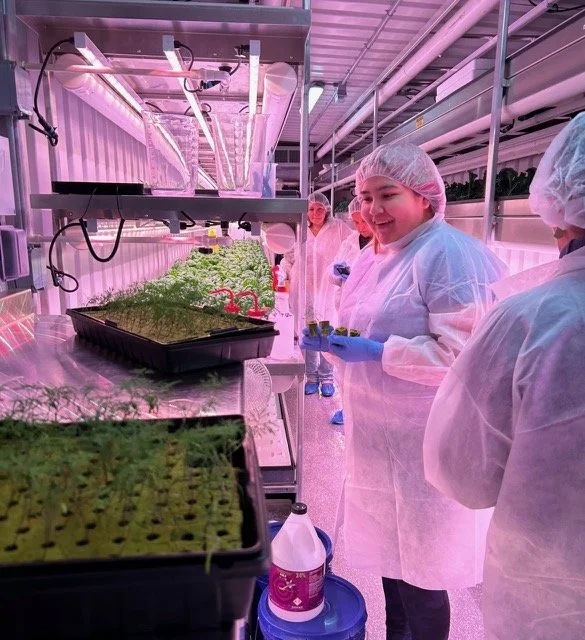
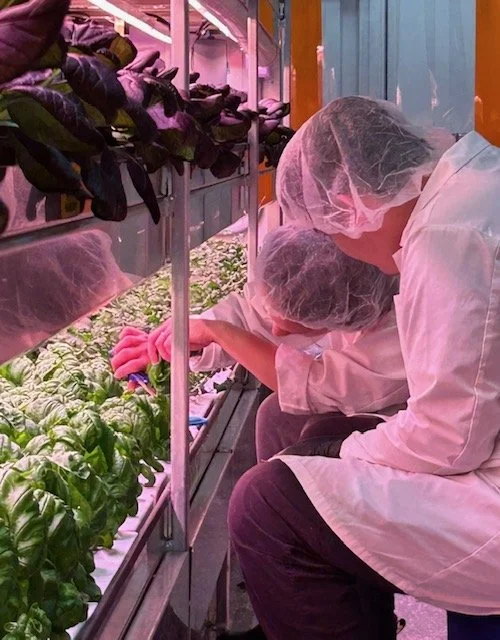
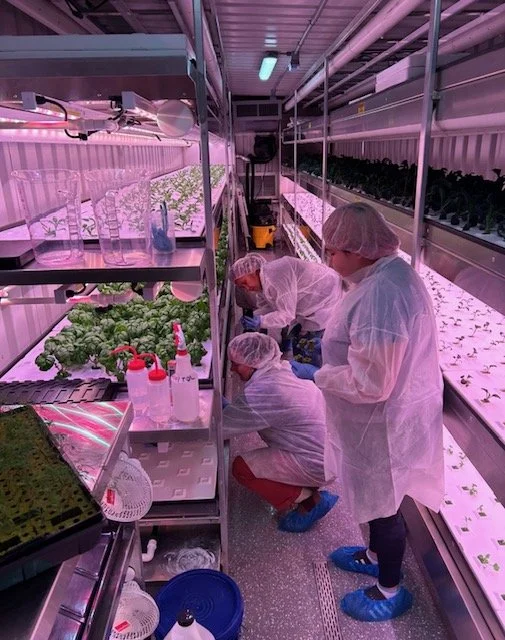
The Rootcamp training gave staff transferable skills such as the ability to teach others, explain hydroponics, and build confidence in a new field.
Skills Development: Building Regional Capacity
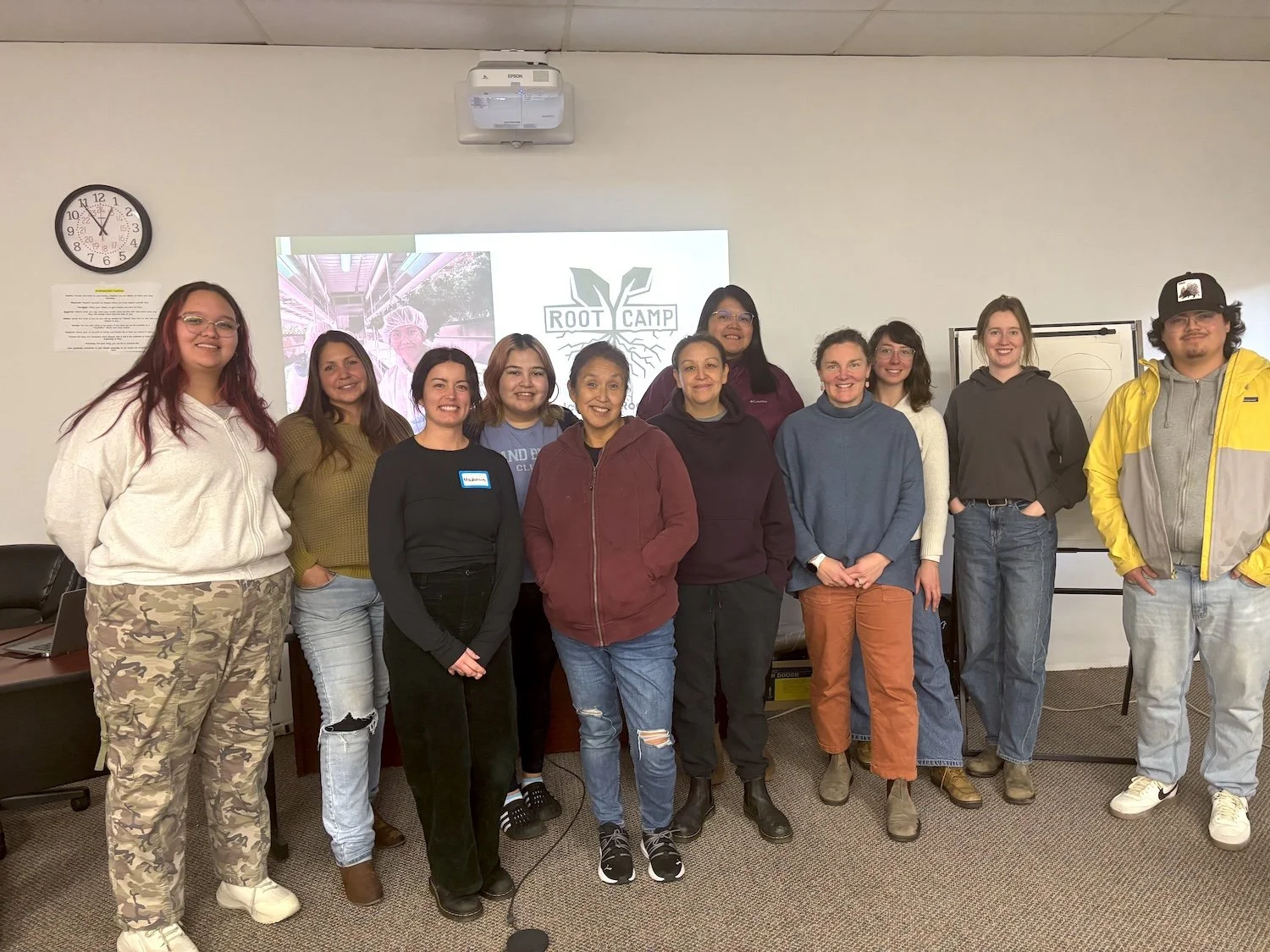
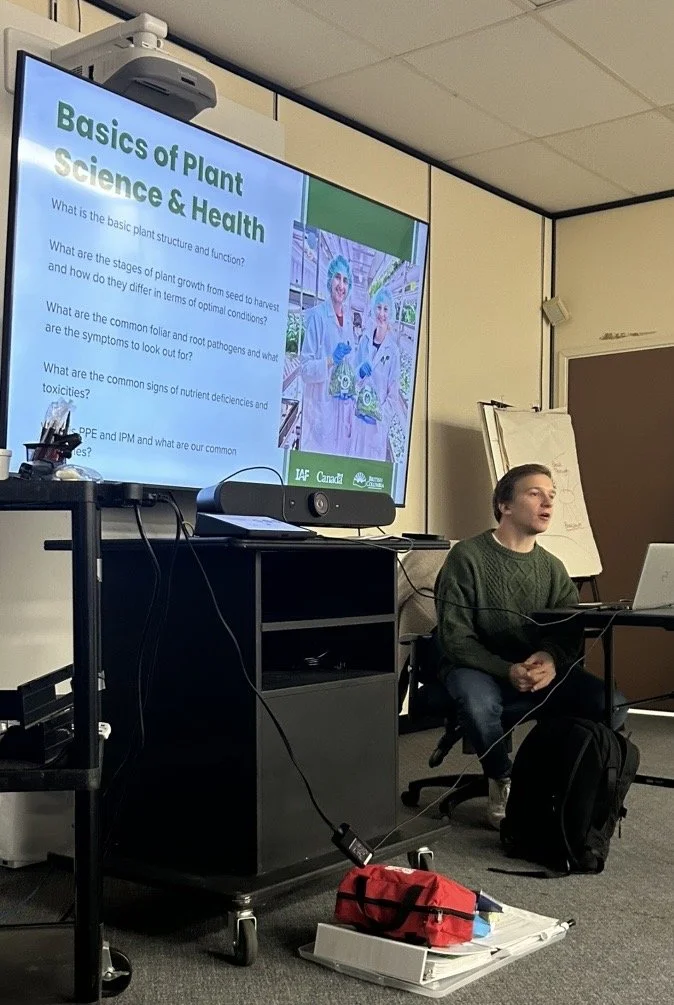
In the fall of 2025, NBDC secured a grant with help from Growcer to host three Rootcamps on the island. Rootcamp is the name of Growcer’s bootcamp that is held in Ottawa and offers hand-on training for hydroponic farming.
However, travelling to Ottawa is not always possible for participants.
“I had spoken to [Growcer] and said, it’s really difficult for some people to travel and if there’s ever an opportunity to have a western Rootcamp, that would be ideal,” Wickstrom says. Wickstrom also adds that the train-the-trainer model allows knowledge to be built locally and stay within a community and allows the greenhouse to hire locally trained talent.
As a result, NBDC hosted their own community-based Rootcamp, eliminating the two-day travel to Ottawa and securing grant funding to make training free for all participants with travel costs reimbursed.
The Rootcamp training gave staff transferable skills such as the ability to teach others, explain hydroponics, and build confidence in a new field.
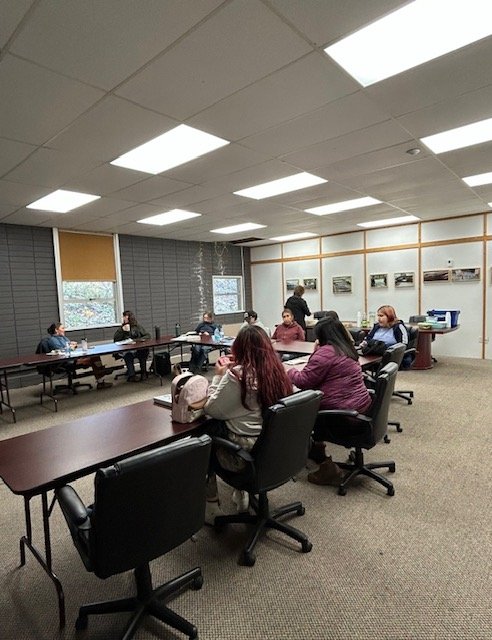
“We had 21 people, eight nations, and one non-profit. Our staff was terrified, but really what made the difference was Growcer coming in and saying, ‘We’ll come a day before and we will go through all of the material with you,’” Wickstrom explains. “They really did guide our staff and by the third Rootcamp, our staff was standing on their own. It boosted their confidence incredibly.”
Now NBDC plans to bring other First Nations in to learn how to grow food successfully, potentially establishing a regional training hub or partnering with the local schools or treatment centre. “What Rootcamp did is give our staff transferable skills so they’re able to teach others. We are looking at bringing other nations in to show them how to grow food, and how they can be successful,” Wickstrom says.
“What Rootcamp did is give our staff transferable skills so they’re able to teach others. We are looking at bringing other nations in to show them how to grow food, and how they can be successful.”
Community Impact: Social dividends
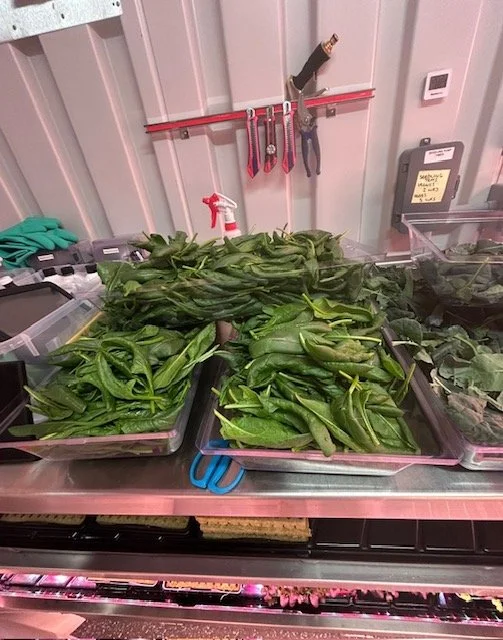
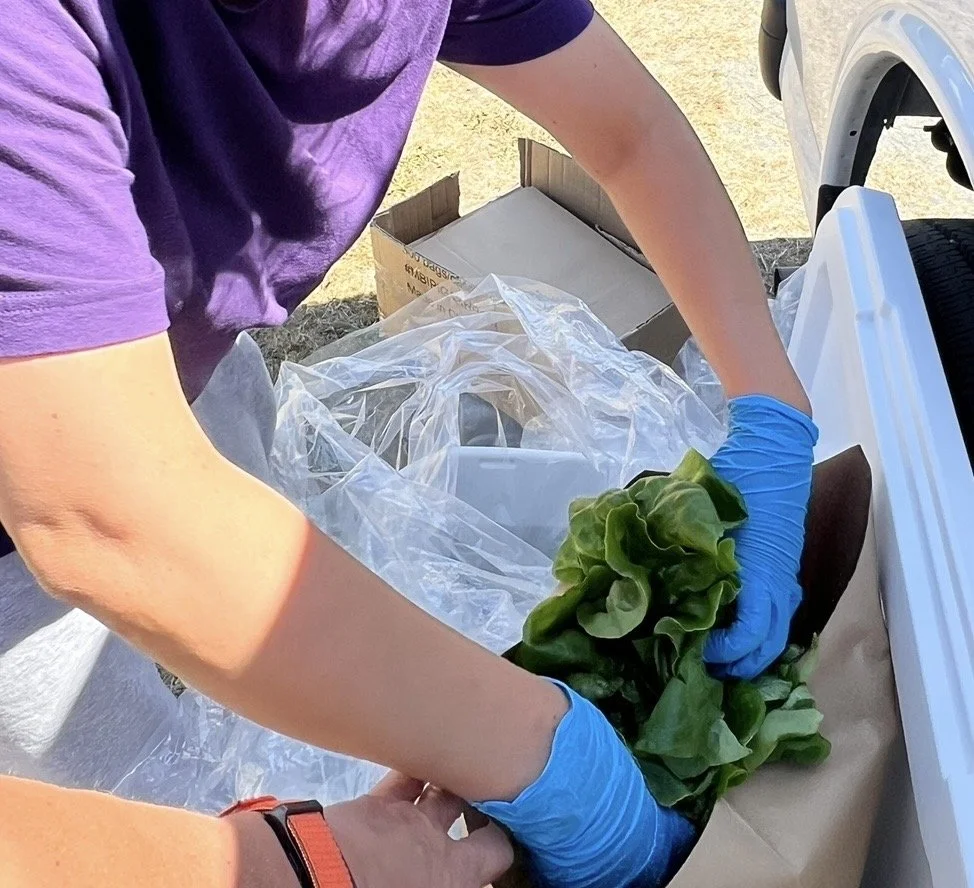
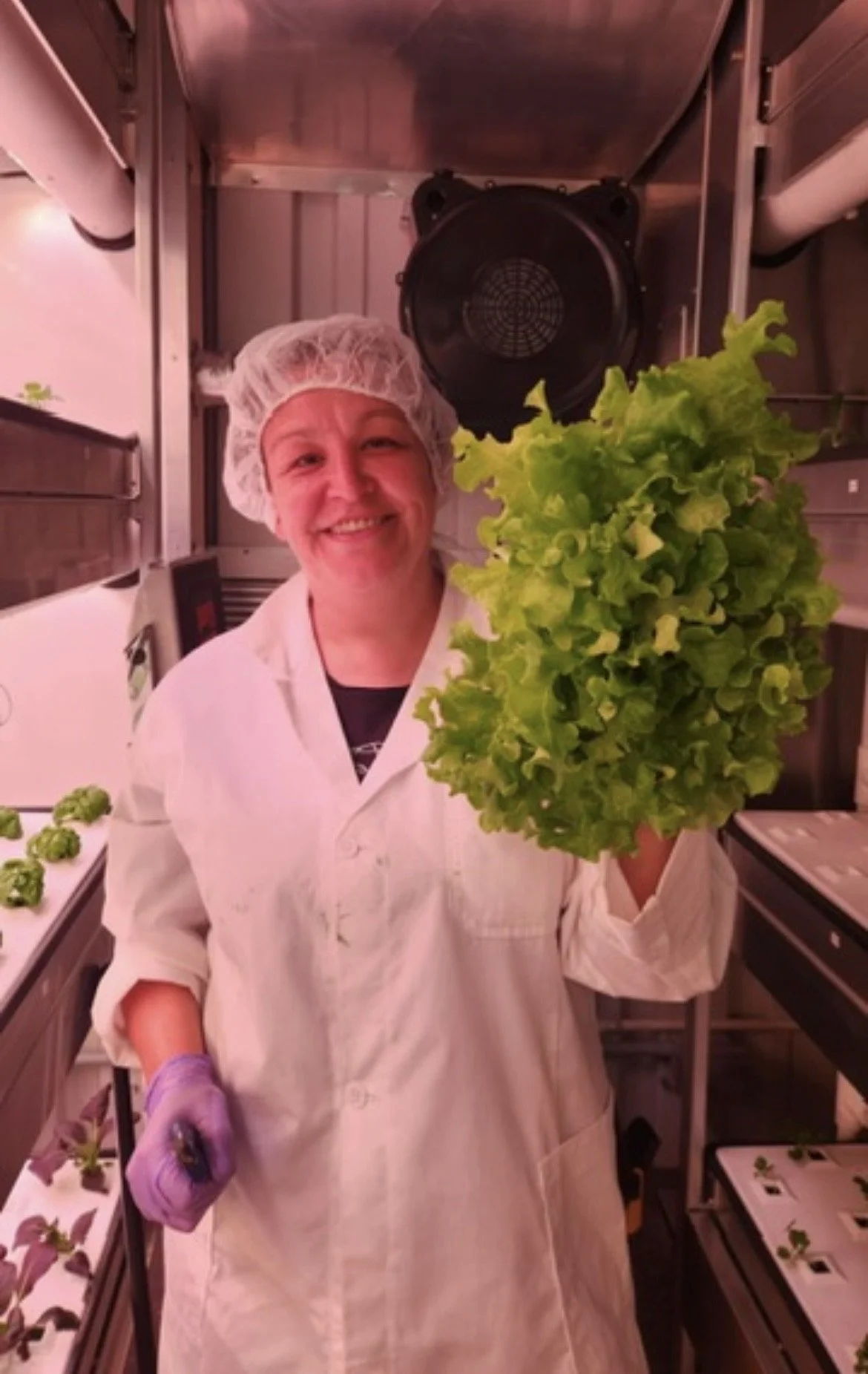
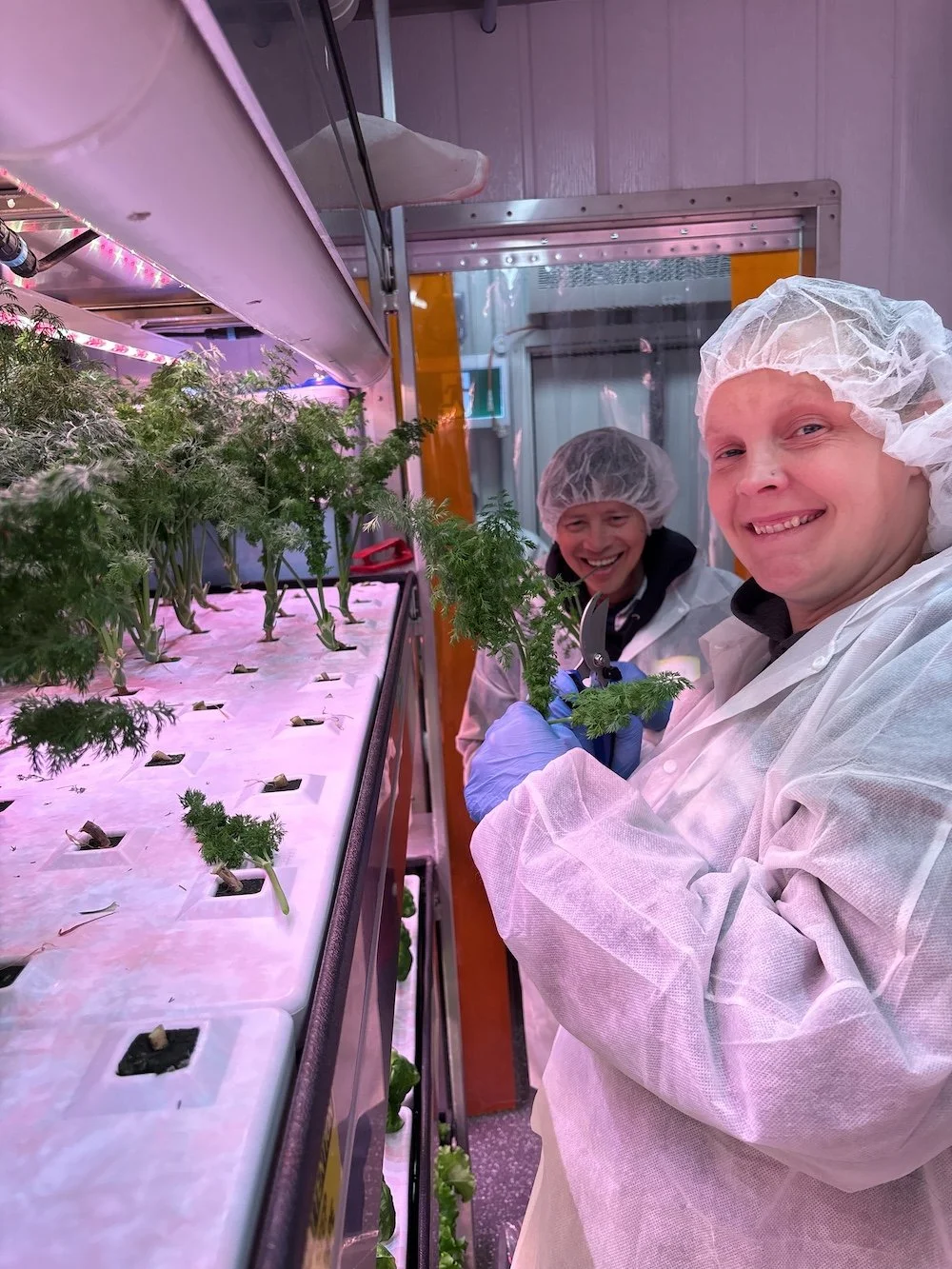
Every Friday, fresh produce goes out to the community. Spinach, basil, cilantro, multiple varieties of lettuce. “It’s not about getting out the food, it’s about seeing the faces and how much it means,” Wickstrom says.
NBDC aligned their first harvest with salmon going out in the community, so people got salmon and fresh vegetables together. “You see everybody out there with their canning gear and they’re processing fish, and their families are together and they’re laughing. Every single house has somebody out there canning or smoking or getting ready to smoke the fish, it’s pretty amazing.”
“You see everybody out there with their canning gear and they’re processing fish, and their families are together and they’re laughing. Every single house has somebody out there canning or smoking or getting ready to smoke the fish, it’s pretty amazing.”
Wickstrom shares that there’s also an Elder Language Centre by the farm and sometimes staff run over on harvest days to distribute the bags.
“When you think in terms of food as medicine, when our staff is distributing food, they will have people that are delighted and will give them a whole talk about why greens are so good for you and all of the health benefits,” Wickstrom says, adding the Huu-ay-aht Nation shared at community events people gravitate toward taking home the fruits and vegetables when they’re available. “If you think people aren’t eating their fruits and vegetables, you are wrong.”
But the real impact runs deeper than food distribution.
NBDC creates jobs for people who need them most. When positions opened, multiple community members applied and Wickstrom says a difficult moment was turning away applicants because she knew how a job can transform someone’s life.
One employee who wasn’t the right fit in another subsidiary flourished in the greenhouse, becoming the project’s biggest champion and posting on social media, telling friends and council members, transformed by meaningful work.
This is where the project’s true value lies: not in profit margins, but in work pride, skill development, and hope. The greenhouse likely won’t pay large dividends, but that was never the point. Wickstrom says NBDC’s other companies pay larger dividends which allows them to add businesses that are social in nature to benefit the people and land.
“It has social dividends that you can’t even begin to calculate. What it means for somebody who’s learning a new skill, to have a job, to have this food in the community, to see the faces. Those are the kinds of things that really give life to this project,” Wickstrom says.
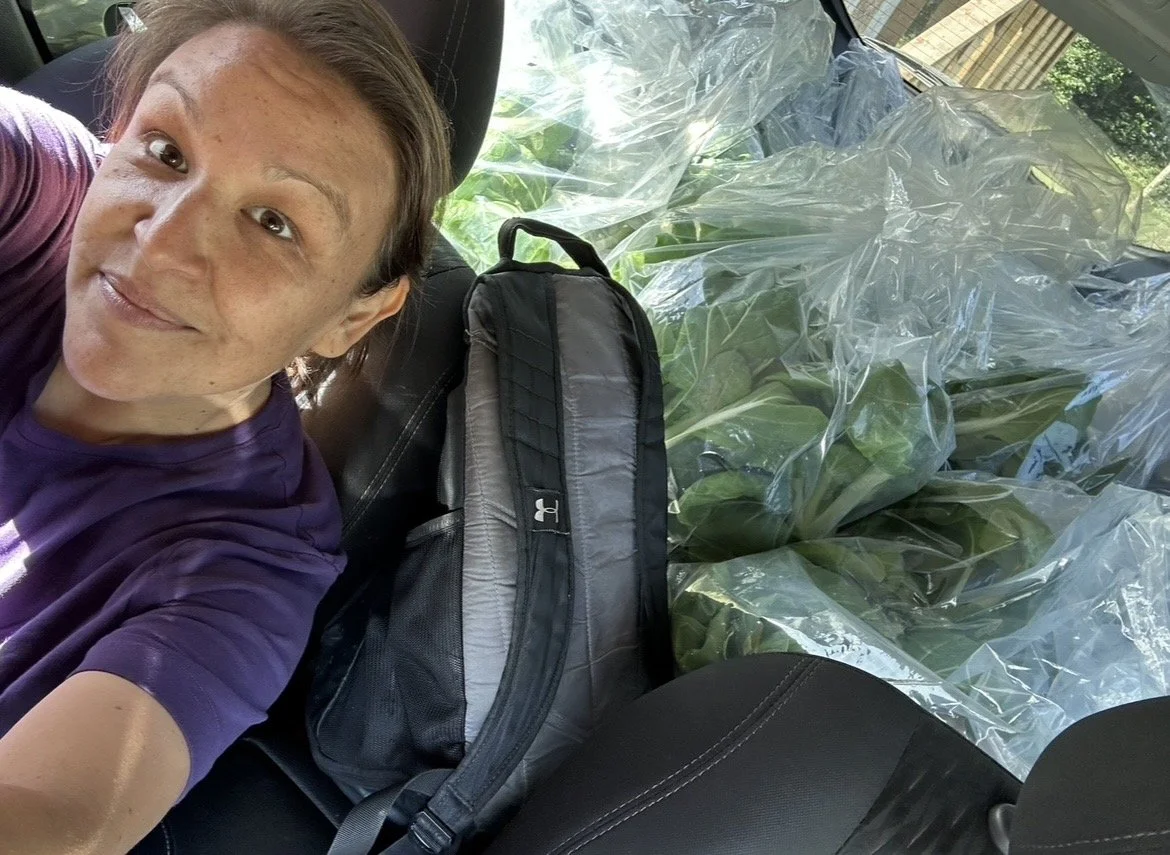
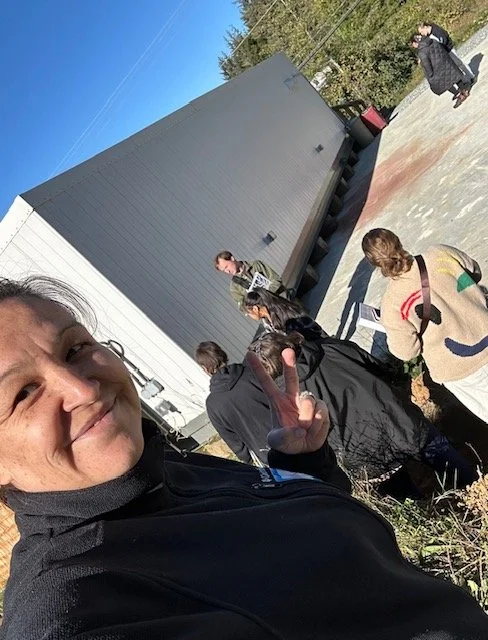
Grower Renea on a distribution day.
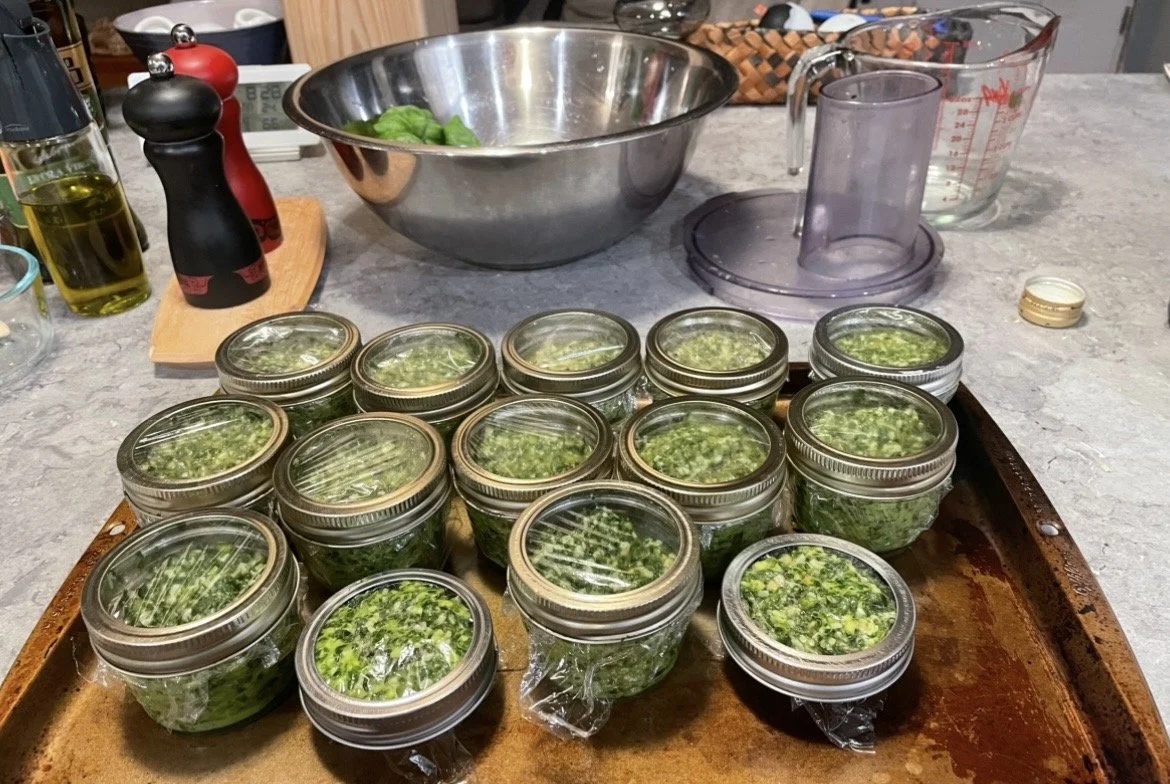
Using the produce in fresh ways.
Can your community do this? Yes.
“Regardless of what type of food initiative you’re going to start, reach out to people who have done it before,” Wickstrom starts. “If you’re able to reach out, you can find out all the learnings, mistakes, and hiccups that they had along the way and how they overcame them. I think that would be the way to a successful project.”
If a small community in Alert Bay can do it, so can you. Growcer supports communities through the entire journey: grant application assistance, feasibility assessments, project planning, installation, training (including community-based options), and ongoing technical support. Everything can be figured out. The partnership enables food sovereignty, meaningful employment, and community transformation.
“The ability to grow local food for me is to be able to see community members grow in their skills, also to be able to attract nation members who have moved away and gained other skills,” Wickstrom says, giving an example of someone who left the island to pursue a degree in agriculture. “To be able to attract that person here and have them share their knowledge to someone else, it’s going to be extremely beneficial.”