

Growing Solutions for Food Insecurity
Take A Look At The Growcer Community In Action.
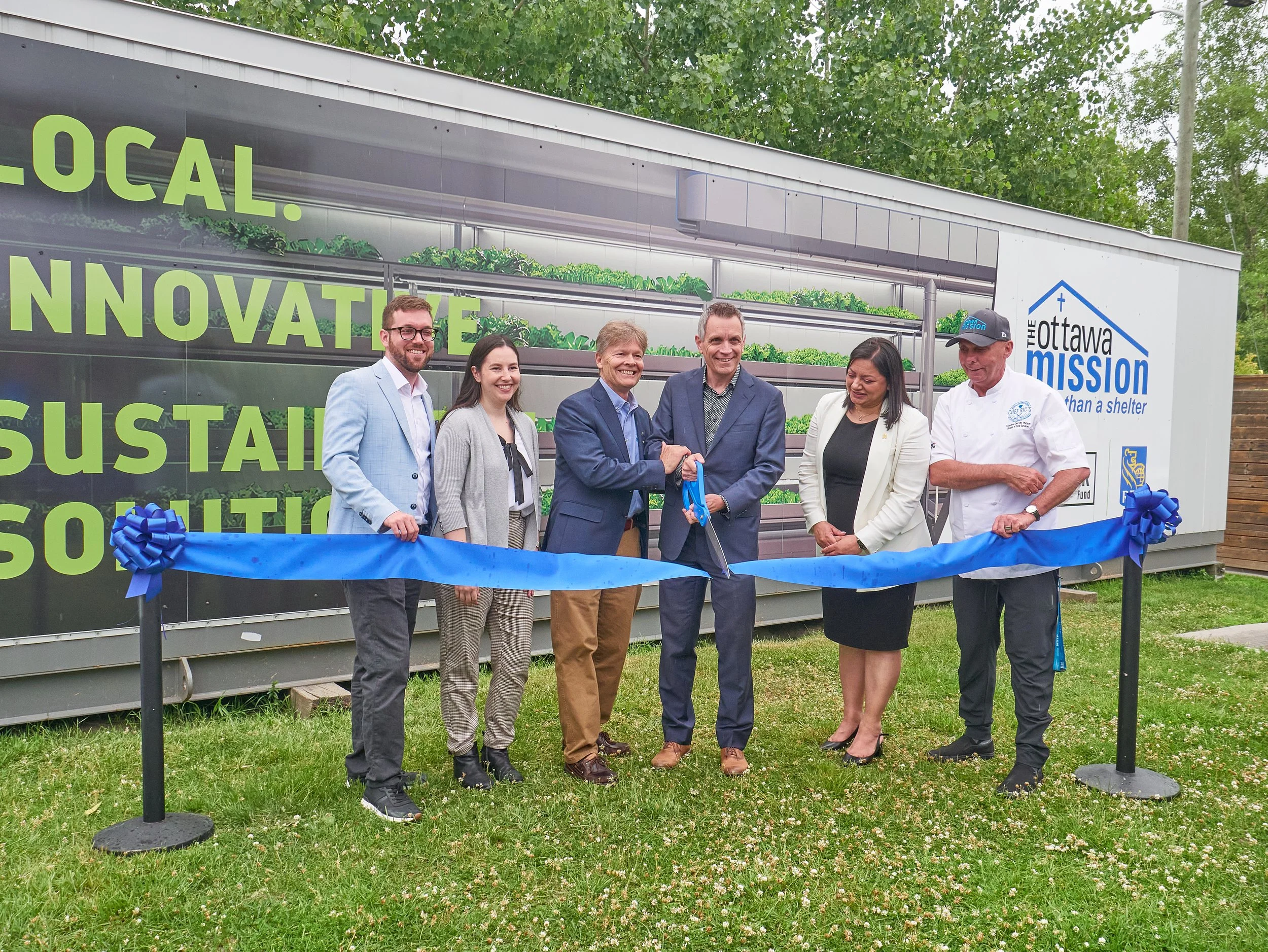
A Sustainable Supply of Fresh Greens: The Ottawa Mission
The Ottawa Mission has been feeding the city's most vulnerable residents since 1906, and in recent years that work has only grown heavier. Peter Tilley, chief executive officer of The Ottawa Mission, has watched hunger in the city reach levels he has not seen before in his time there. For years, the produce that went into the Mission's meals came from whatever donations happened to arrive that week, in whatever condition they arrived in. Tilley wanted something the Mission's clients could count on instead.
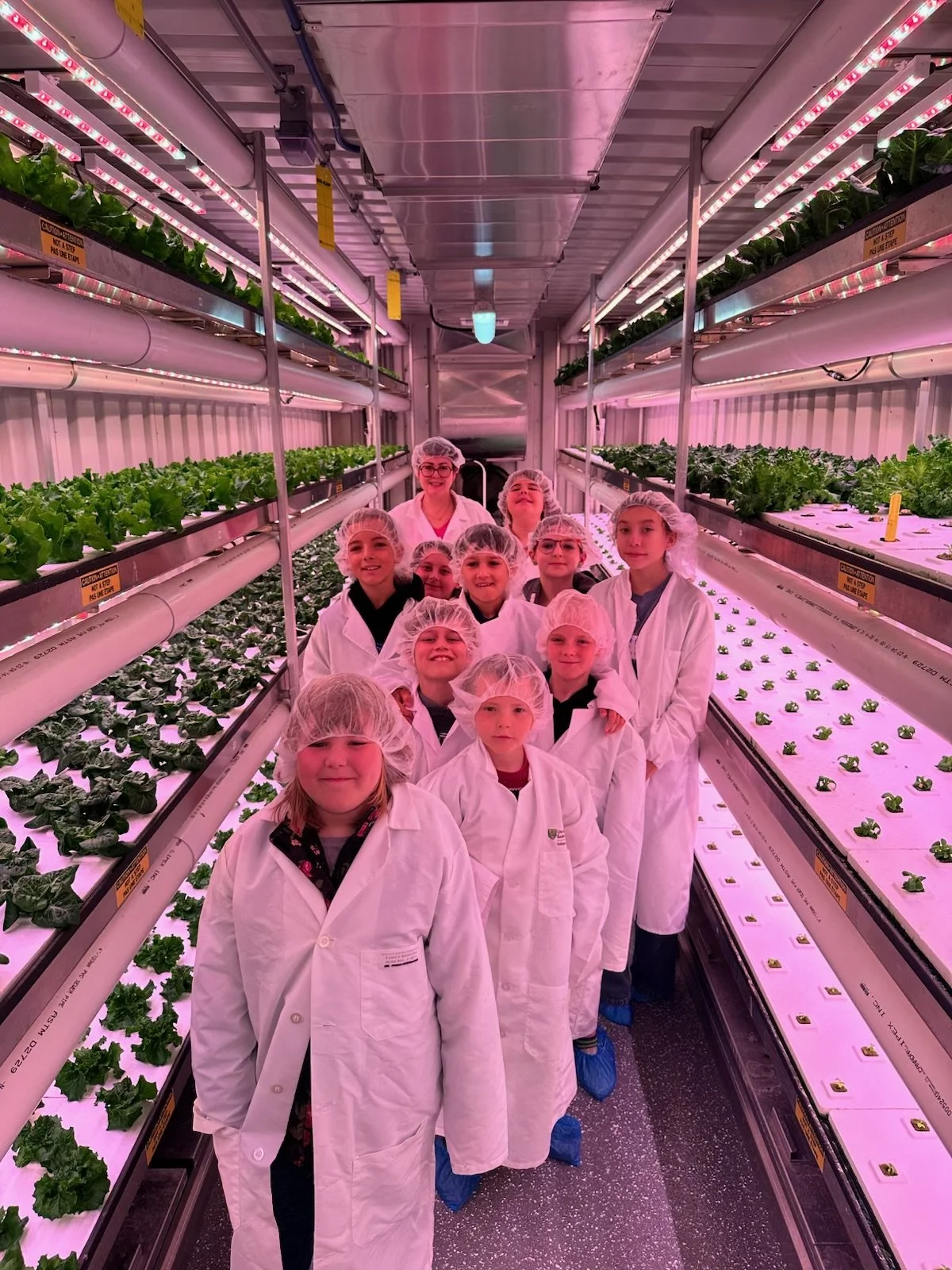
A Year-Round Classroom: Swan Valley School Division's Growcer Farm
Swan River, Manitoba, sits hours from a major city, in a school division of about 1,400 students spread across seven schools. Kari Goethe teaches Environmental Management at Swan Valley Regional Secondary School, and for years her outdoor garden beds gave students only a few weeks of hands-on growing before summer break emptied the classroom.
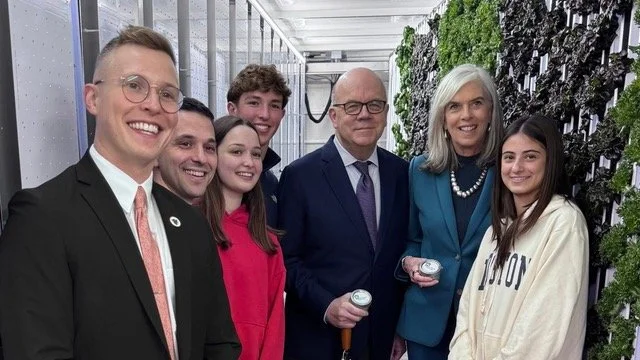
Hyper-Local Greens for Five Schools: Watertown High School
Watertown is building a new high school on the footprint of the old one. When it opens in fall 2026, it is positioned to be the first Platinum LEED certified high school in the nation, completely off the grid with solar and geothermal energy. The vertical farm was part of that conversation from the start.
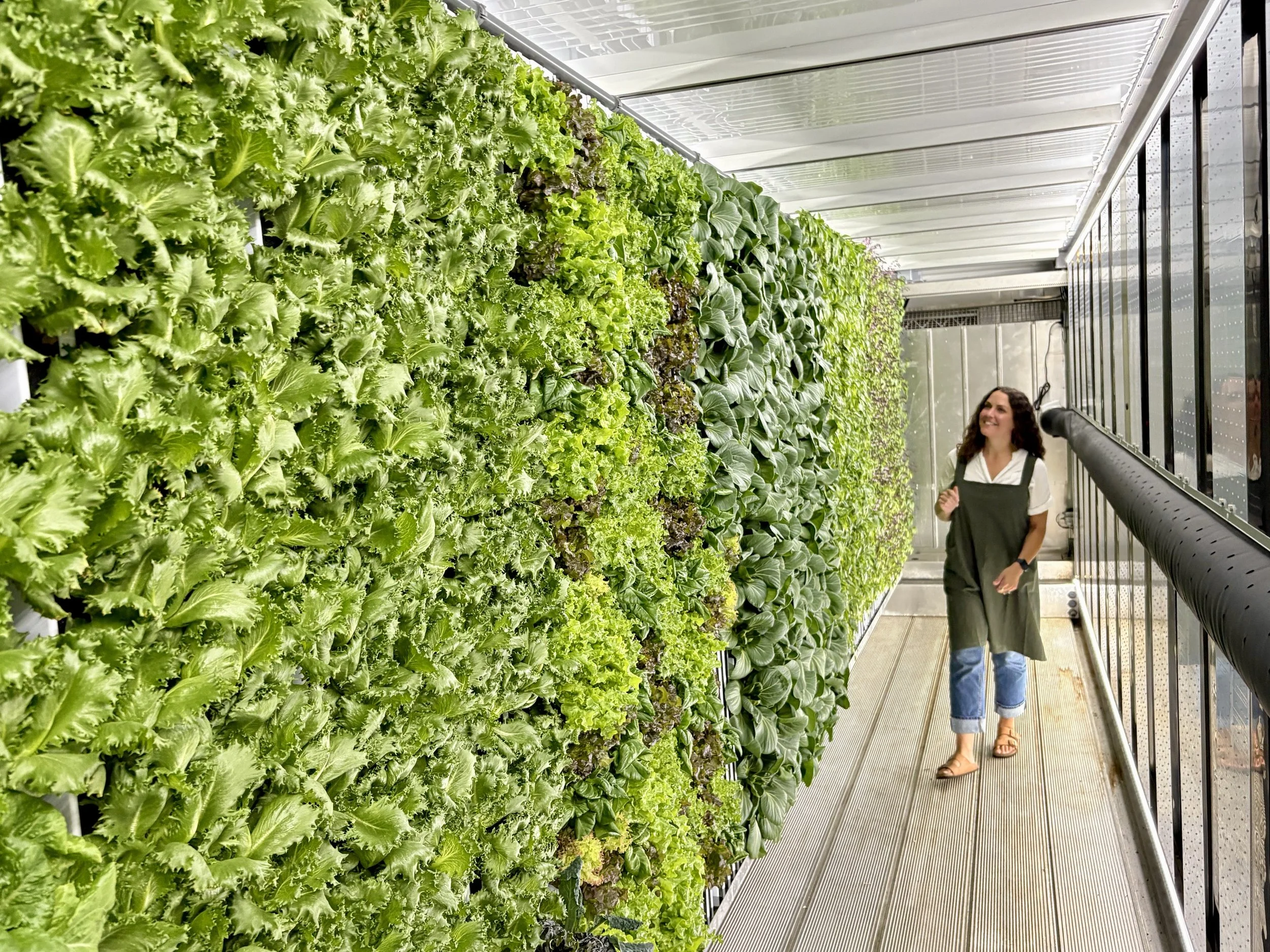
A Freight Farm Becomes a Living Laboratory: Riverdale Country School, the Bronx
Riverdale Country is an independent K-12 school set into the rocky, wooded hills of the northwest Bronx. The 6-12 campus serves roughly 785 students, and for the past six years, it has been building a sustainability program from the ground up: curriculum, waste audits, energy tracking, regenerative gardens.
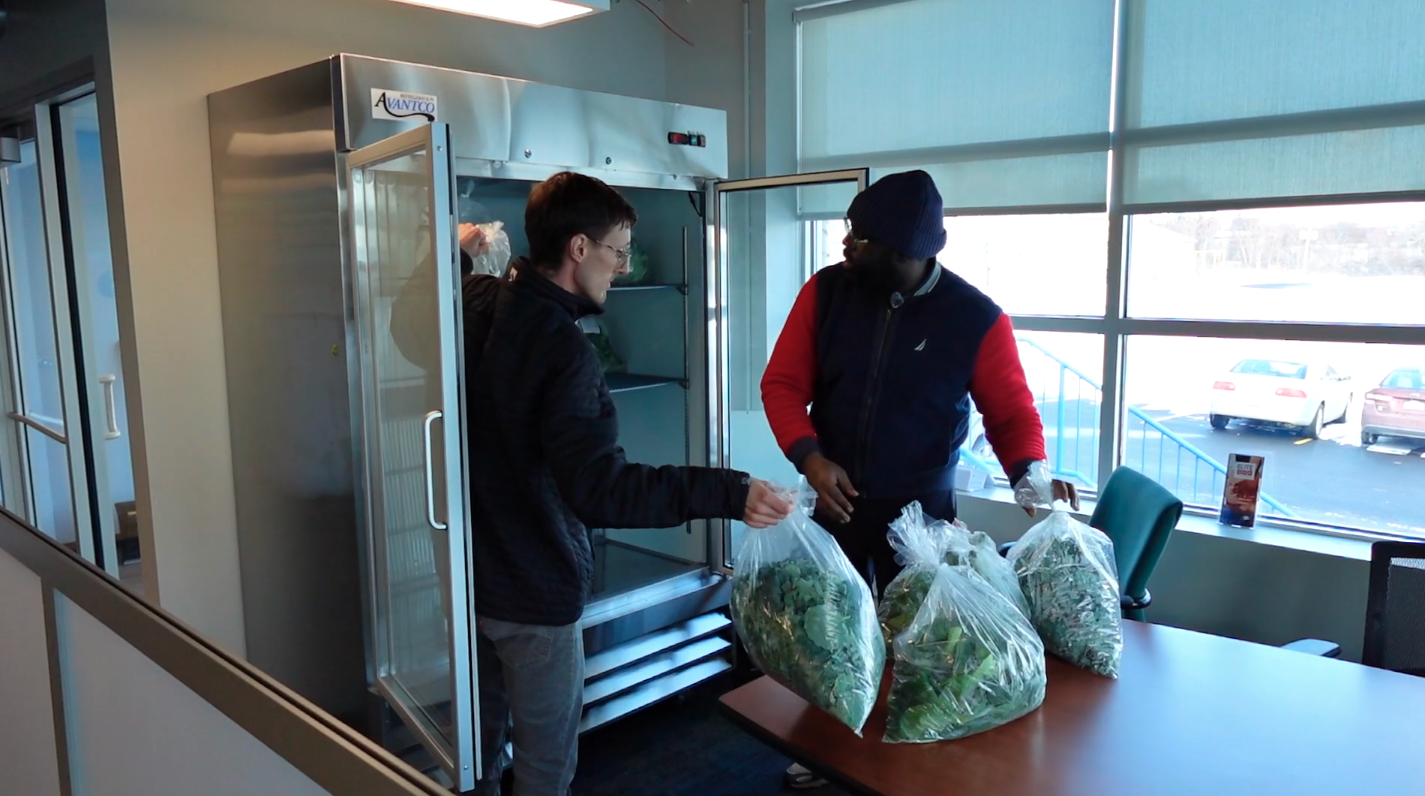
Growing for the whole person: Volunteers of America Upstate New York
Volunteers of America Upstate New York is fighting food insecurity in Rochester with two on-site hydroponic farms growing fresh produce for shelter residents, veterans, families, and community partners across Monroe County.
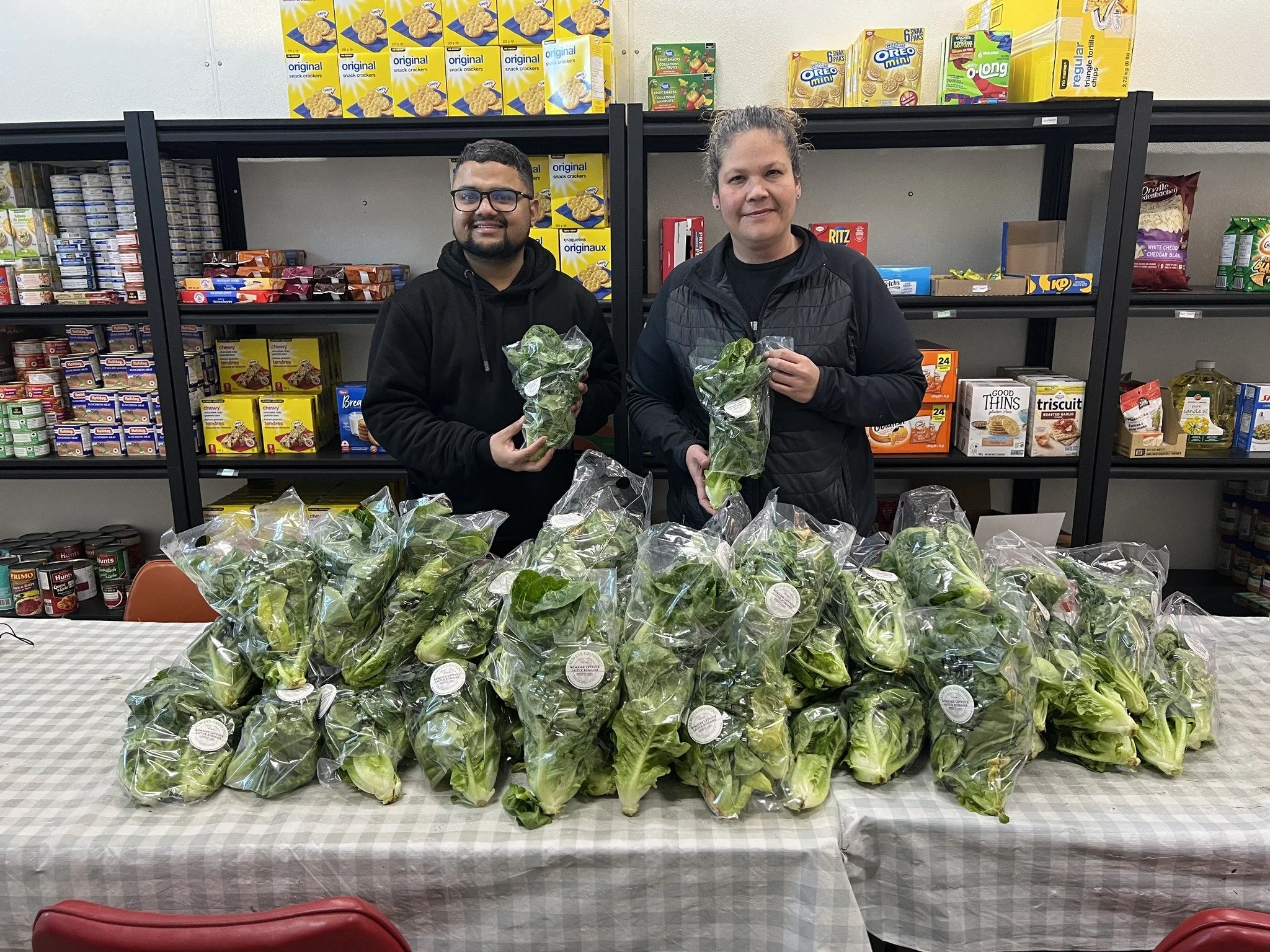
Bringing Local Food to the Lunch Table: High Prairie School Division
High Prairie School Division brought hydroponics into the classroom and now students across Canada are earning real credits growing real food.
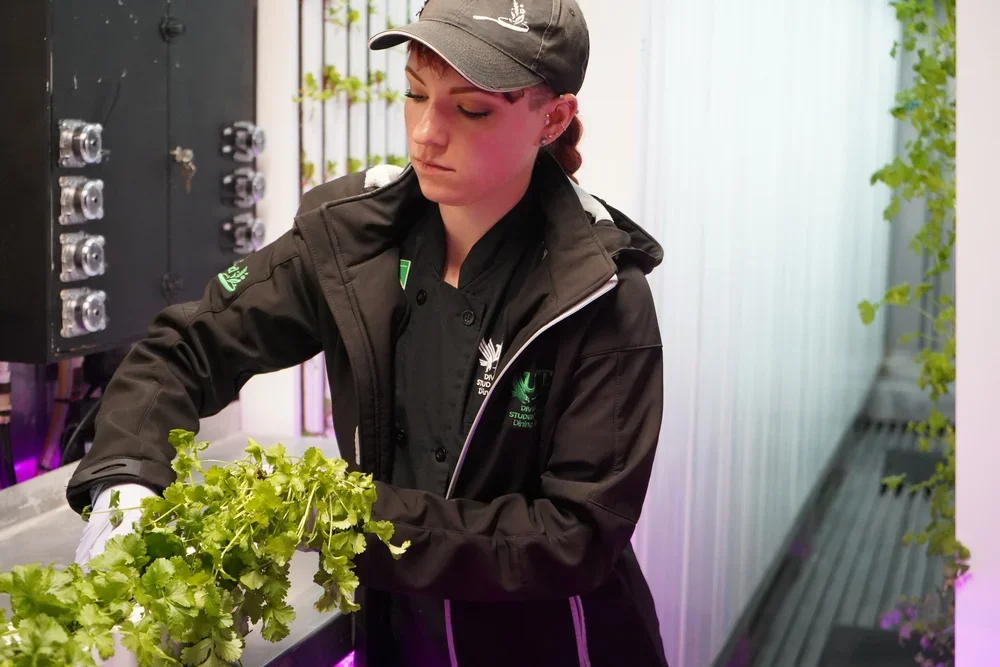
University of North Texas
University of North Texas operates two Freight Farms serving 47,000 students through five dining halls. Located beside Mean Green Cafe, the hydroponic farms grow lettuce, herbs, and vegetables for immediate campus dining use. The farms provide hands-on culinary education, support sustainability initiatives, and demonstrate farm-to-table freshness in challenging Texas climate conditions.
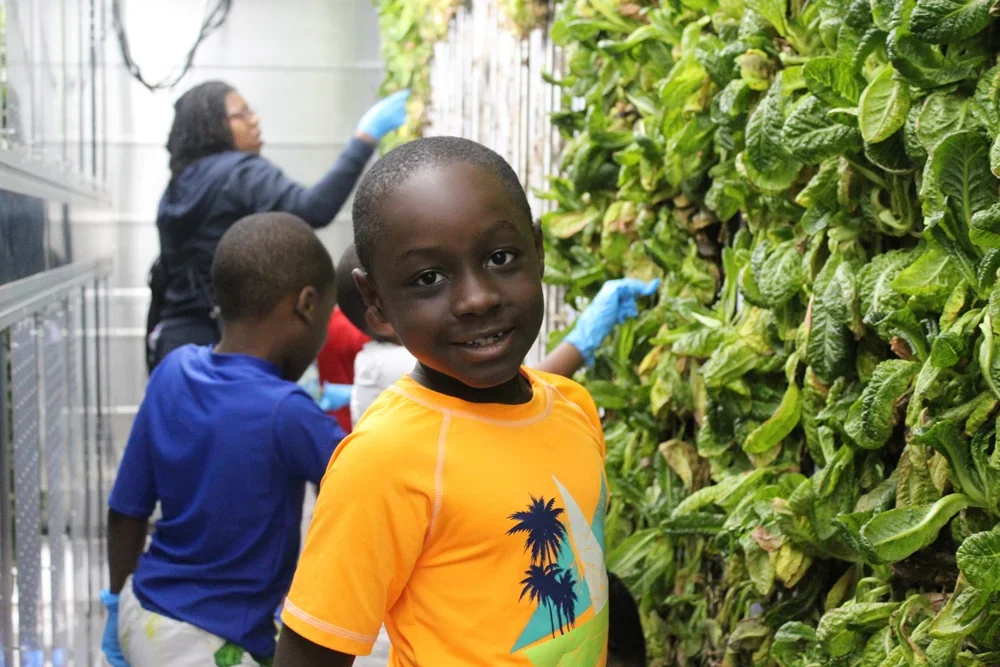
Boys & Girls Clubs of Metro South
Boys & Girls Clubs of Metro South uses three Freight Farms to serve 2,500 youth in Massachusetts. The container farms provide STEM education, fresh produce for Club members and families, and support local food pantries. Community volunteers help operate the farms while youth learn agriculture, nutrition, and sustainability through creative programming.
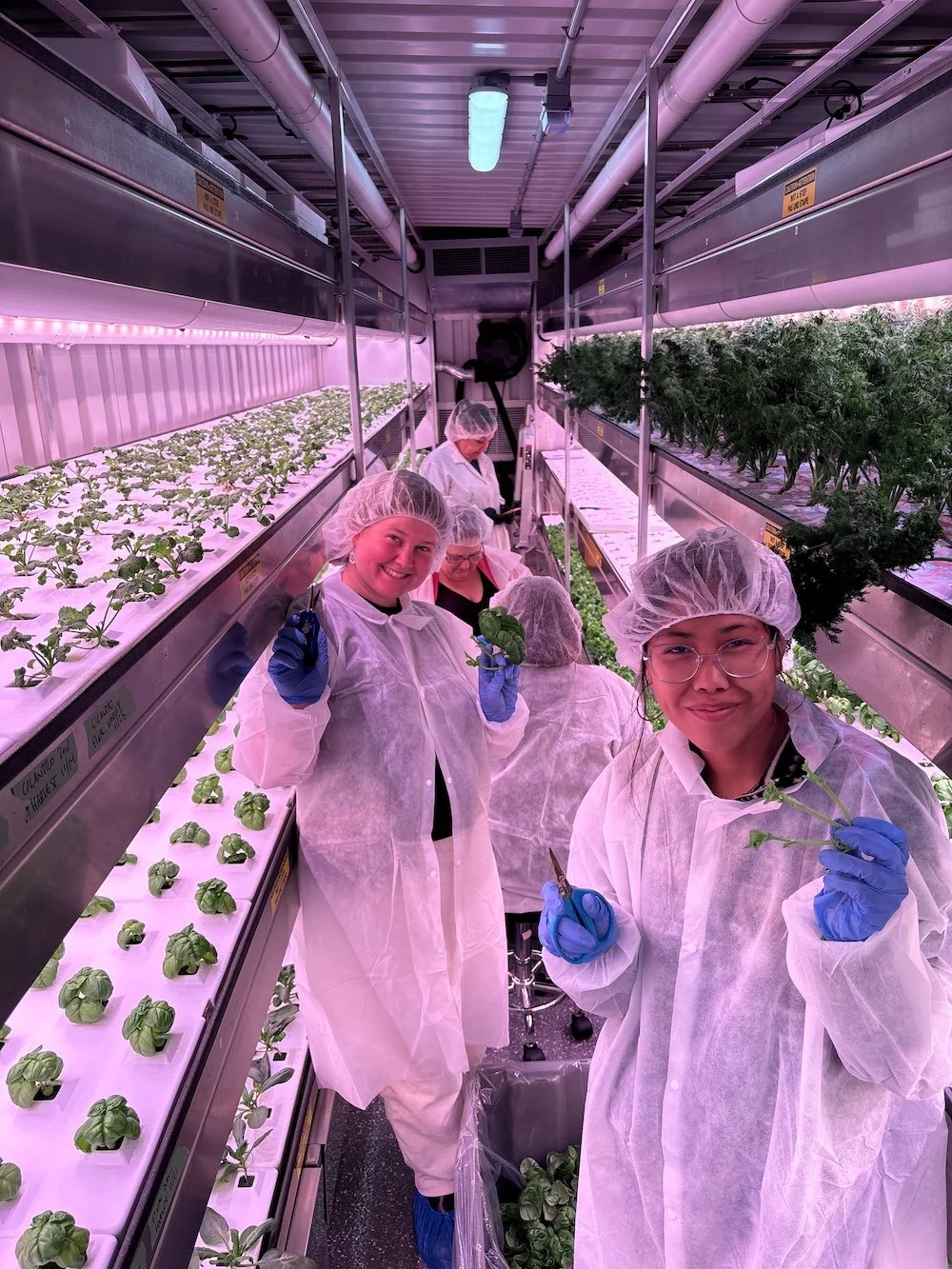
Building regional capacity: ‘Namgis Business Development Corp
In addition to adding a source of fresh produce to the Island, the farms created new jobs and a sense of pride for community members. With Growcer’s help, a grant was secured for NBDC to host three Rootcamps to train B.C. residents on indoor agriculture.