
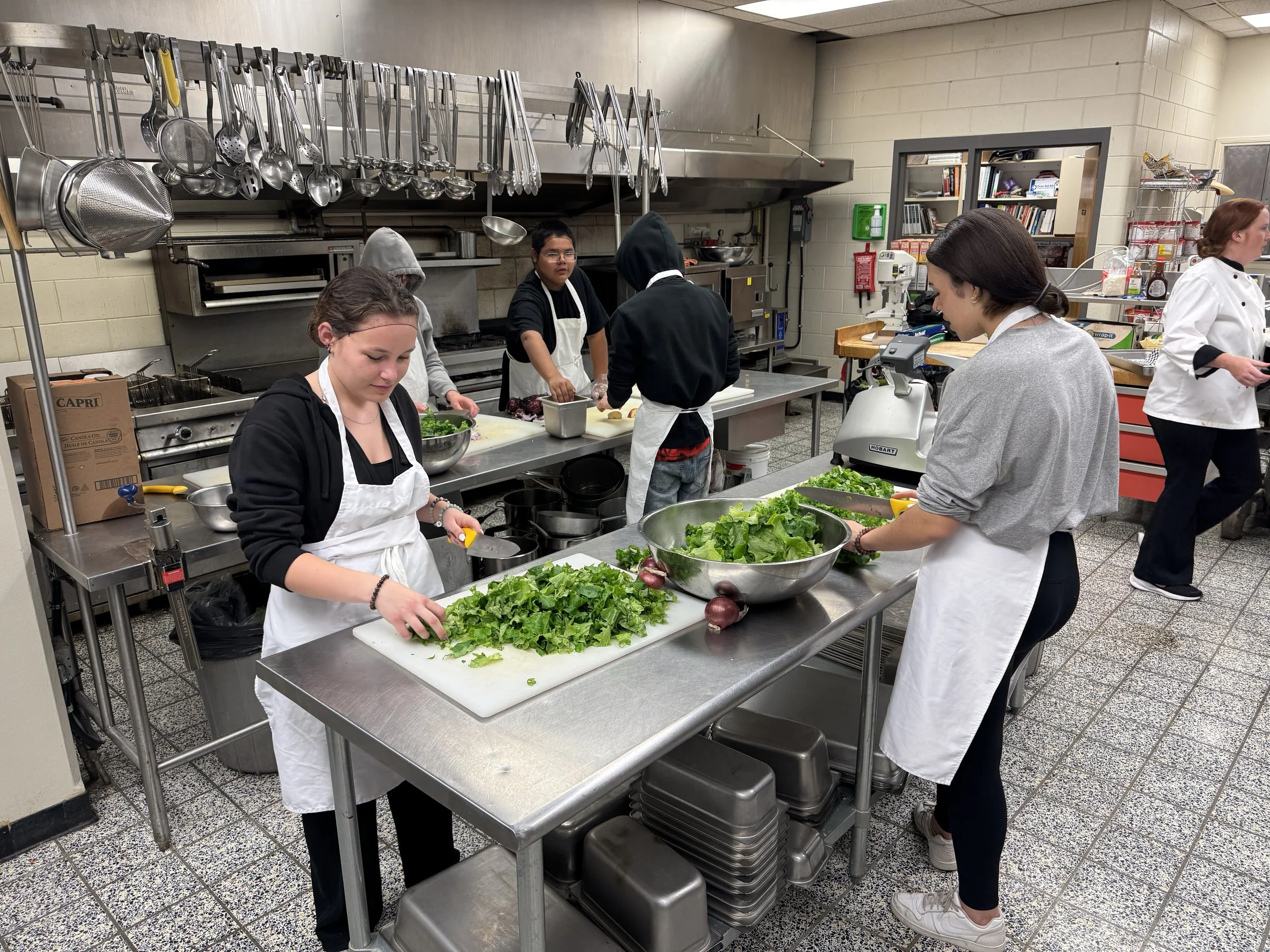
Bringing an indoor container farm or agriculture program onto campus does more than supply fresh produce.
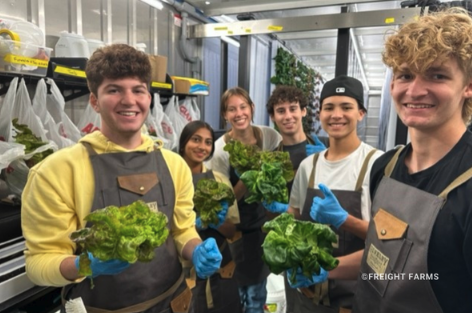
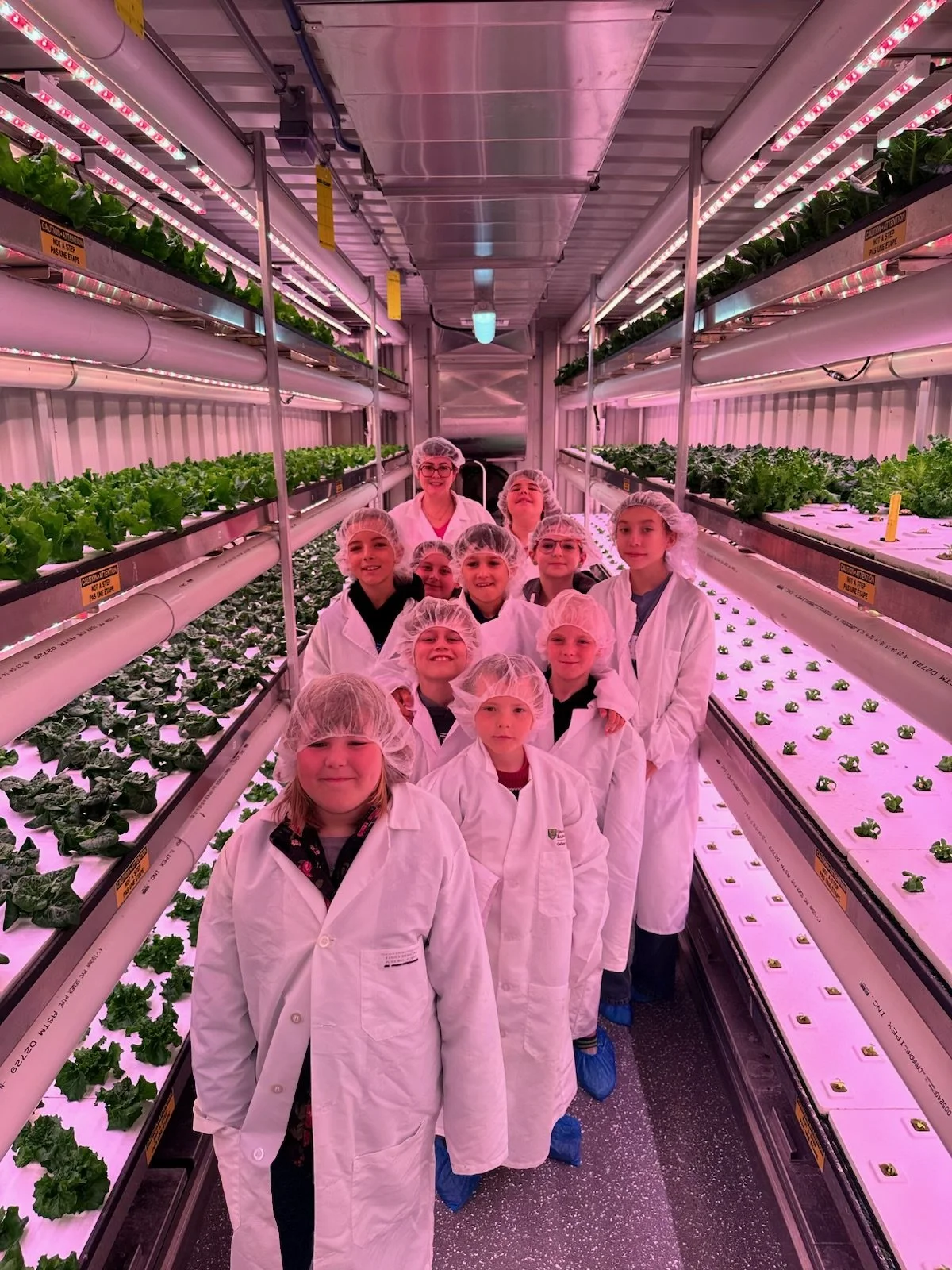
Bringing an indoor container farm or agriculture program onto campus does more than supply fresh produce. As educators shared in our recent webinar, What a School Farm Grows Beyond the Cafeteria, it turns schools into living laboratories where students discover purpose, personal agency, and real-world skills.
Here is what happens when students take ownership of a farm, alongside tactical lessons to help educators bring these programs to life.
Student Stories: Finding Calm, Curiosity, and Pride
The Boy and His Cabbage: At Altario School in Alberta, Principal Kevin Van Lagen welcomed a student who struggled at other schools. Traditional livestock did not reach him, but the indoor container farm did. He asked to grow cabbage, nurtured an exceptional head from seed, and arrived every morning asking to check on it. The calm, focused farm environment offered emotional regulation that traditional classrooms could not match. This year, Altario is celebrating 10 years of its agriculture academy, with a 94 per cent attendance rate.
Pickles, Playlists, and Giraffes: At Methacton High School in Pennsylvania, science coordinator Steven Savitz let student curiosity drive the curriculum. Students tested how playing 18 hours of Mozart affected plant biomass, and because they wanted to know, whether plants respond differently to classical music or heavy metal. They also ran water-efficiency experiments and even grew dill and cucumbers to make homemade pickles. Beyond campus, students deliver weekly harvests to a local restaurant, a food pantry, and the Elmwood Park Zoo to feed the giraffes.
Converting the Skeptics: At Morgan Hill Unified School District in California, Student Nutrition Director Michael Jochner made the case for a school farm in the “largest salad producing region” in the U.S. by flipping the idea of farm to school: “What if the school is the farm?” The results show up on lunch trays. Michael noticed a 6'4" varsity football player disappointed that standard lunch items had run out. Staff handed him a district-grown chef salad. Six minutes later, he returned to tell them: “That was an amazing salad. You’ve really turned me into a salad guy now.”
A Warm Place in the Dead of Winter: At Swan Valley Regional Secondary School in Manitoba, Environmental Management teacher Kari Goethe shared how the farm has become a nice, warm place for students to be in the dead of a Manitoba winter.
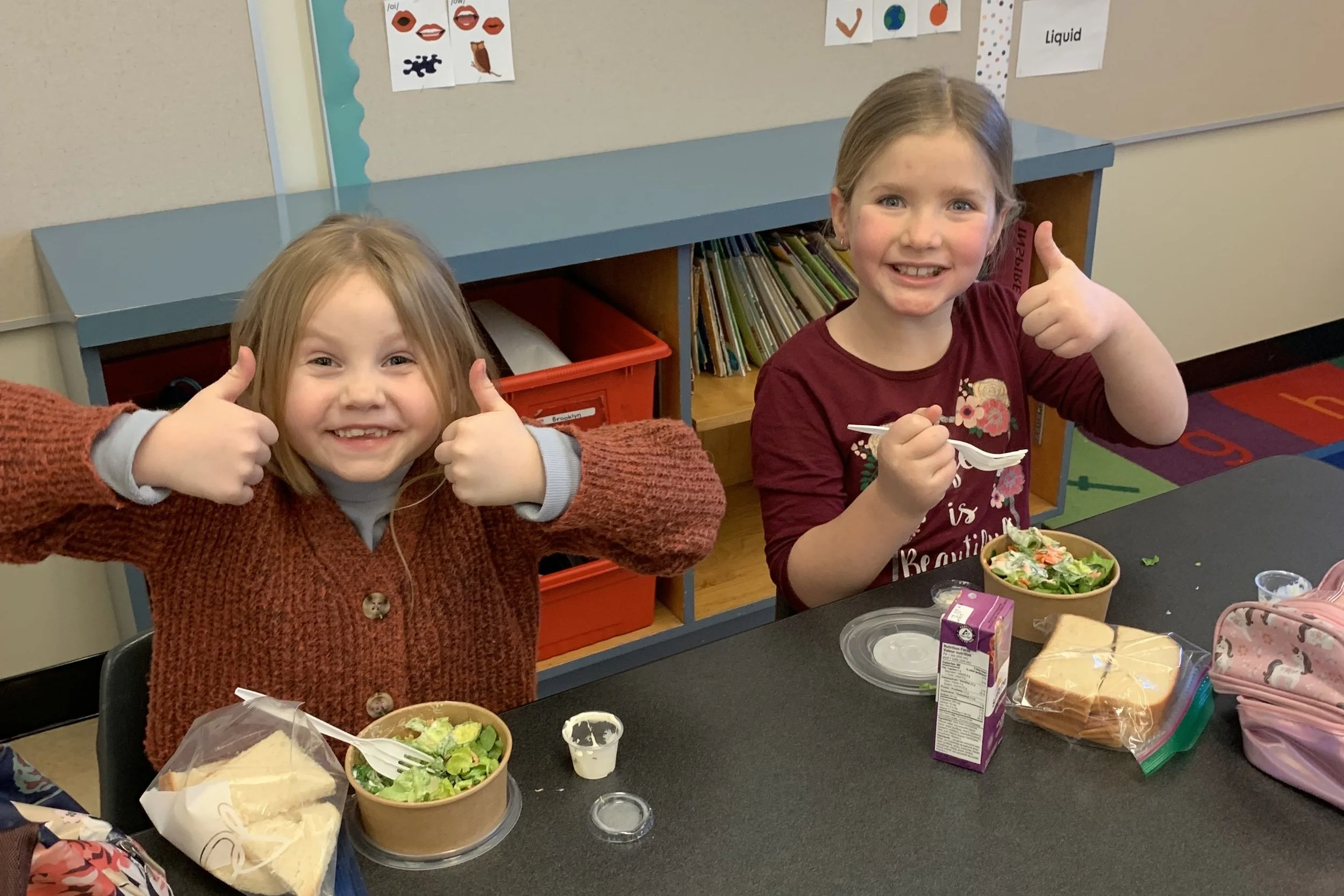
In the Swan Valley School Division, high school kids grow the produce and elementary schools receive it. They even sent thank you cards back up to the high school kids.
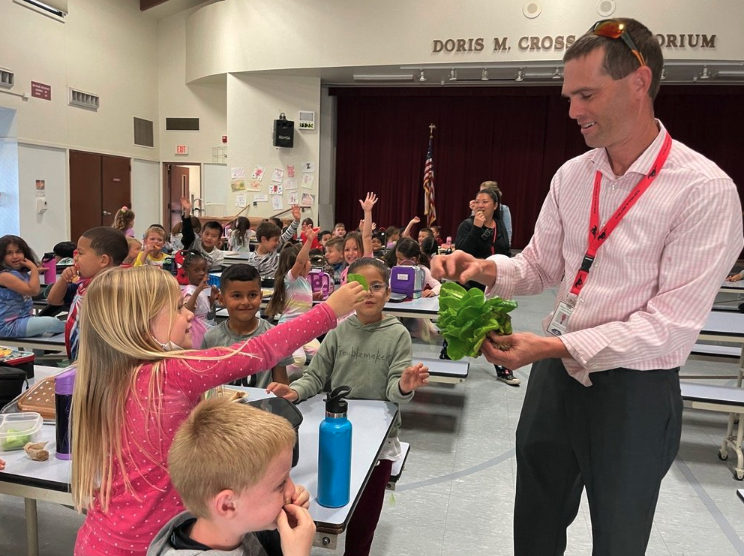
Morgan Hill’s Michael Jochner emphasized showing the return on investment and what a farm can add.
Tactical Lessons: How to Make It Work
During the webinar Q&A, panelists answered pressing questions on logistics, funding, and district buy-in:
Pitching Leadership: When administrators worry about bandwidth, leverage student voice. Kevin Van Lagen noted that student excitement is the most persuasive message to send up the chain. Back that enthusiasm with data. Michael Jochner emphasized showing the return on investment (ROI): unlike traditional classroom supplies, a farm produces tangible food that offsets grocery budgets and insulates districts from supply-chain disruptions.
Cross-Department Collaboration: You do not have to run the farm alone. At Swan Valley Regional Secondary School, vocational students in carpentry, welding, and electrical helped handle parts of site preparation, maintenance, and pump repairs.
Creative Distribution: Steven Savitz operates a 25-member teacher Community Supported Agriculture (CSA) program where students package and deliver greens directly to classrooms twice a month, generating revenue and teacher buy-in.
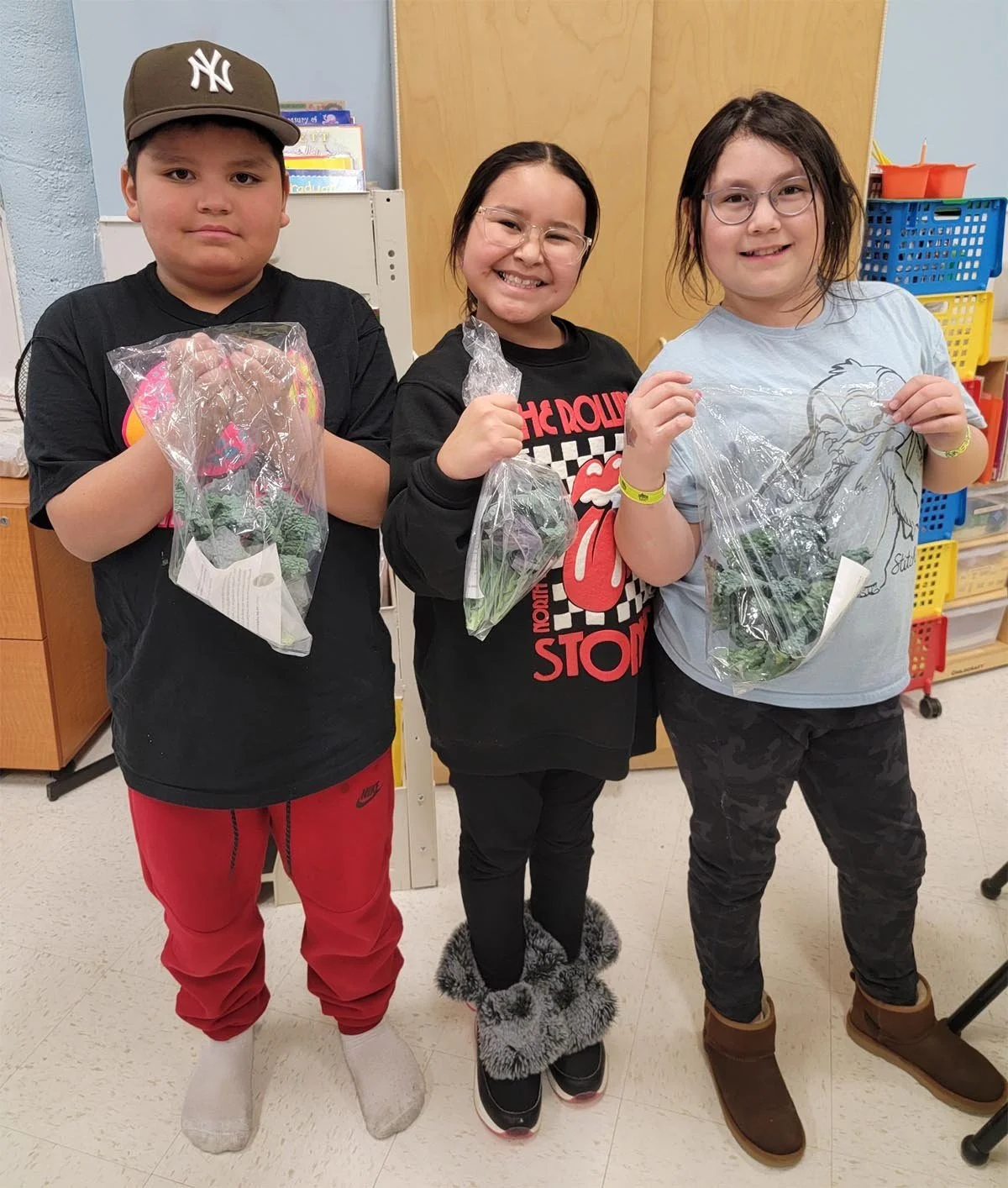
Next Steps: Small Moves You Can Make This Year
You don’t need a farm on site to get started. Here’s what you can do right now, based on what the panelists shared.
Find your champion. Kevin Van Lagen’s advice to other educators: you don’t need a huge group, just a few passionate people with the drive to get a project like this going. Start with one teacher, one administrator, and one person outside the school who cares about food.
Start with what you already teach. Pick one unit you teach every year and ask how a farm would change it: a plant biology lab on light and chlorophyll, a math unit on yields and costs, or a business unit on pricing and marketing. Methacton’s whole course started with a video Steven kept showing his AP Environmental Science class.
Let students ask the questions. The Mozart experiment didn’t come from a curriculum guide. Keep a running list of what your students want to test. It becomes your lesson plan and your pitch to leadership.
Pick your first customer. Every panelist’s farm feeds someone: a salad bar, a teacher CSA, a food pantry, a seniors’ home, even giraffes. Decide who you’d grow for first. It shapes your crop list, your schedule, and your story.
Borrow hands from across the building. Swan Valley taps its carpentry, welding, and electrical students. Methacton students helped design their farm’s branding and packaging. Ask your culinary, business, and art teachers what they’d do with a farm.
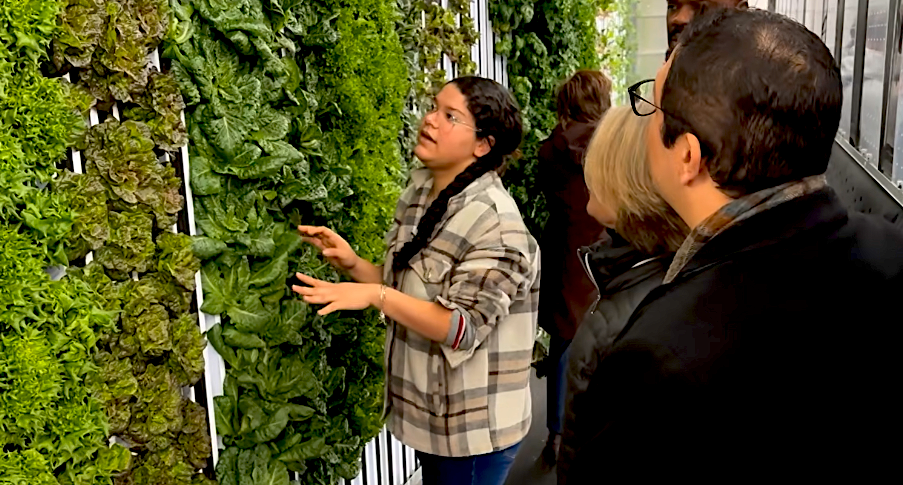
Visit a school that’s already doing it. Swan Valley’s team toured a school farm in central Saskatchewan before committing. One visit answers questions you didn’t know to ask.
Stack your funding. None of these schools paid for their farm with one cheque. Swan Valley won a provincial vocational-school grant two years running, plus a federal infrastructure grant secured by partnering with its local Kinsmen Club. Altario combined the Local Food Infrastructure Fund, a donation from its local agriculture society, and support from the school division. Methacton had its Education Foundation, and Morgan Hill funds its farms through the district nutrition budget. Kari Goethe emphasized tapping local community partners (like Kinsmen Clubs or agricultural societies) and looking across provincial, state, and federal programs. She also pointed out that a school farm opens doors to grants beyond food, so look at STEM, skills training, and infrastructure programs too.
Get one win on the ground. At Swan Valley, once the first grant came through and people could see something real taking shape, more support started finding them.
Know you won’t be on your own. Growcer provides dedicated grant support to help schools identify funding sources, tailor language, and complete applications. After launch, our Horticulture Success Managers are an email away. When a deep cold snap froze part of Swan Valley’s HVAC system mid-winter, Growcer’s support team worked directly with a local contractor to get it fixed.
With the right grant partners and a clear vision, your school can cultivate a thriving farm of its own.
Want to hear from the panelists? Watch the full recording of What a School Farm Grows Beyond the Cafeteria.