
Bringing Local Food to the Lunch Table: High Prairie School Division
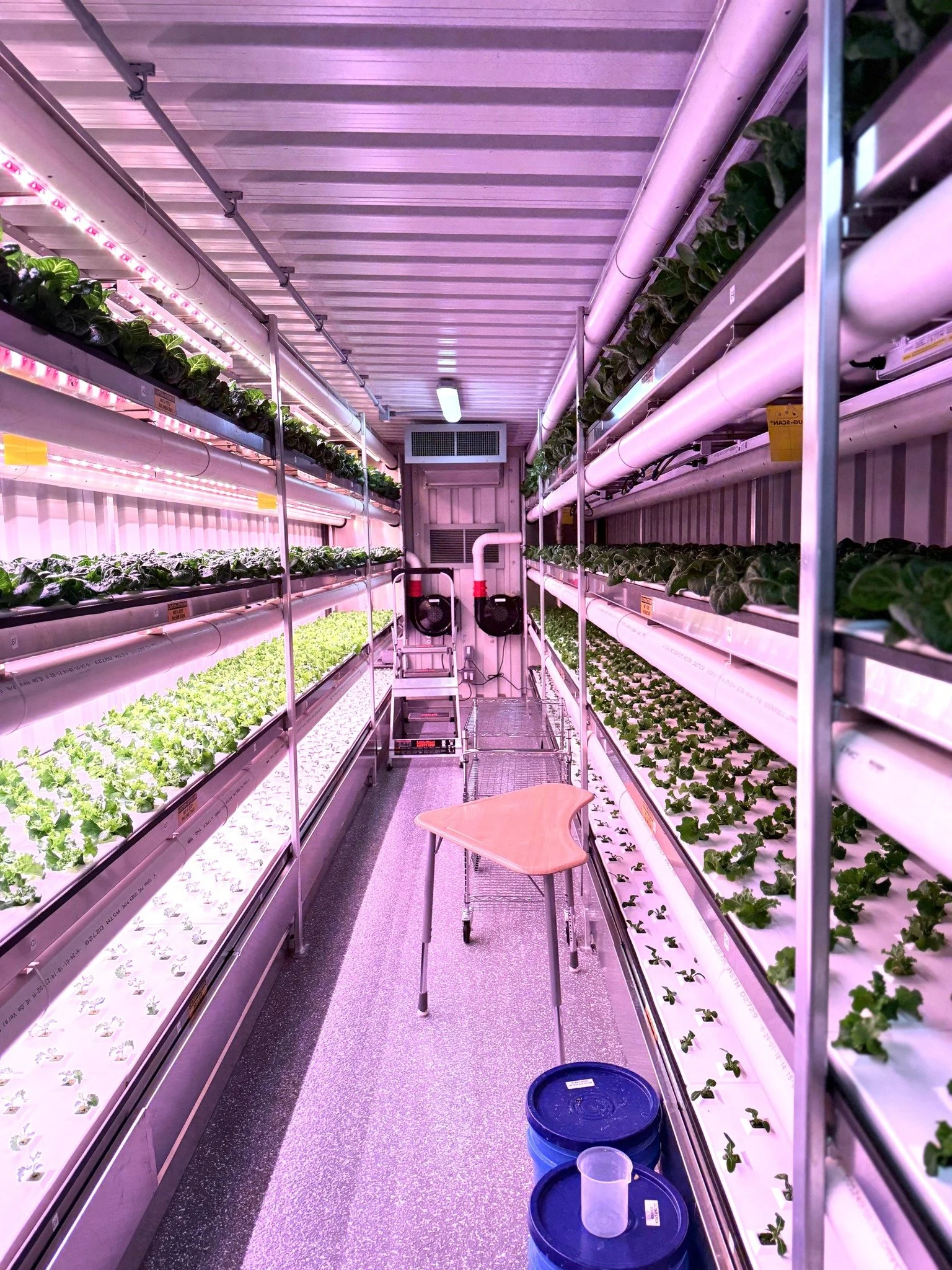
Inside a Growcer farm.
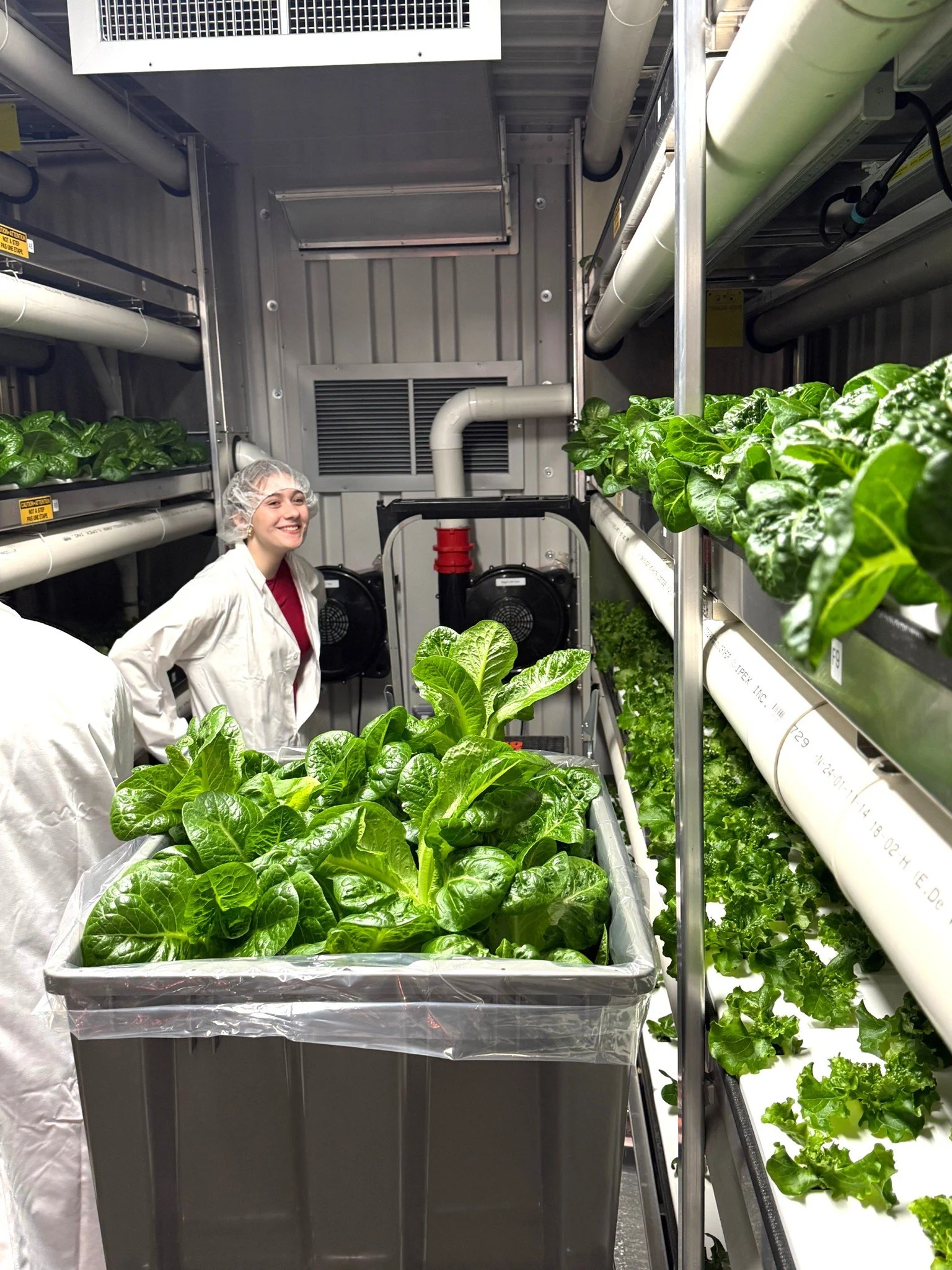
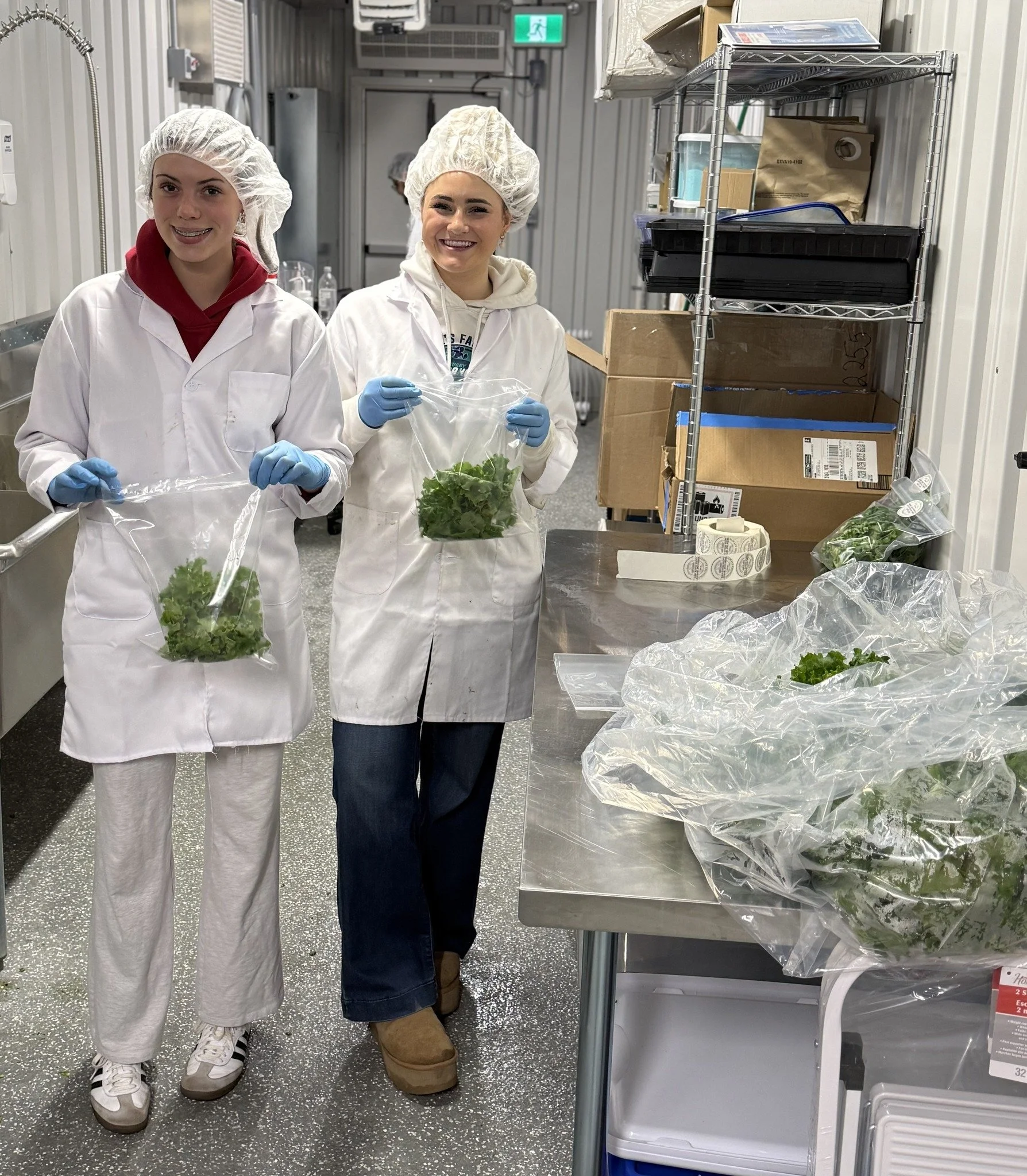
Students harvesting lettuce grown.
Project at a Glance
Launched November 2025 in High Prairie, Alberta.
Goal: Grow fresh, local produce to feed students across High Prairie School Division as the first step toward a fully local hot lunch made entirely from within the division.
Distribution: Schools across the division receive produce for the hot lunch program and salad bars. The food bank and Children's Resource Council receive regular donations. Community members order through alwaysgrowing.ca, with pickup at a central location in town.
Impact: Salad bars at E.W. Pratt High and Prairie River Junior High run twice a week and are picked clean every time. Students earn micro-credentials and CTS credits through hands-on farm work.
Operator: One lead operator manages day-to-day operations. Students from E.W. Pratt High School and Prairie River Junior High rotate through the farm as part of their agricultural education.
“It started off with us trying to produce a meal at our hot lunch program that didn’t have to travel outside of our division. So if we raised our own lettuce, we raise a cow, or buy a cow from a 4H member, or different protein, that sort of stuff, we’d be pretty proud that we could give the kids a complete meal from a local like a local source.”
In a school division spanning 13 schools across northern Alberta, the board had a simple but ambitious idea: serve kids a lunch made entirely from within their own community. Not shipped in. Not sourced from somewhere far away. Grown, raised, and prepared right here.
"It started off with us trying to produce a meal at our hot lunch program that didn't have to travel outside of our division. So if we raised our own lettuce, we raise a cow, or buy a cow from a 4H member, or different protein, that sort of stuff, we'd be pretty proud that we could give the kids a complete meal from a local like a local source,” says Brennan McDonald, coordinator of special projects and programming at High Prairie School Division (HPSD).
That was the vision discussed at the board level. What followed was a vertical farm, a community that rallied behind it, and a salad bar that students line up for twice a week.
Opportunity: Local Lunch
Agriculture is part of the fabric of the High Prairie region with cattle farmers, grain producers, and greenhouse operators all nearby. But that knowledge wasn't making it onto students' lunch trays. The hot lunch program already existed, and kids who couldn't pay were fed anyway, no questions asked. The food, however, was coming from outside the division.
To execute the vision, McDonald started looking at what other schools had done. Altario School in southern Alberta had built a vertical farm into their agriculture program. The idea clicked: a Growcer farm could supply the hot lunch program and become a living classroom. Two goals, one investment.
Solution: "Pay as you Grow" Farm
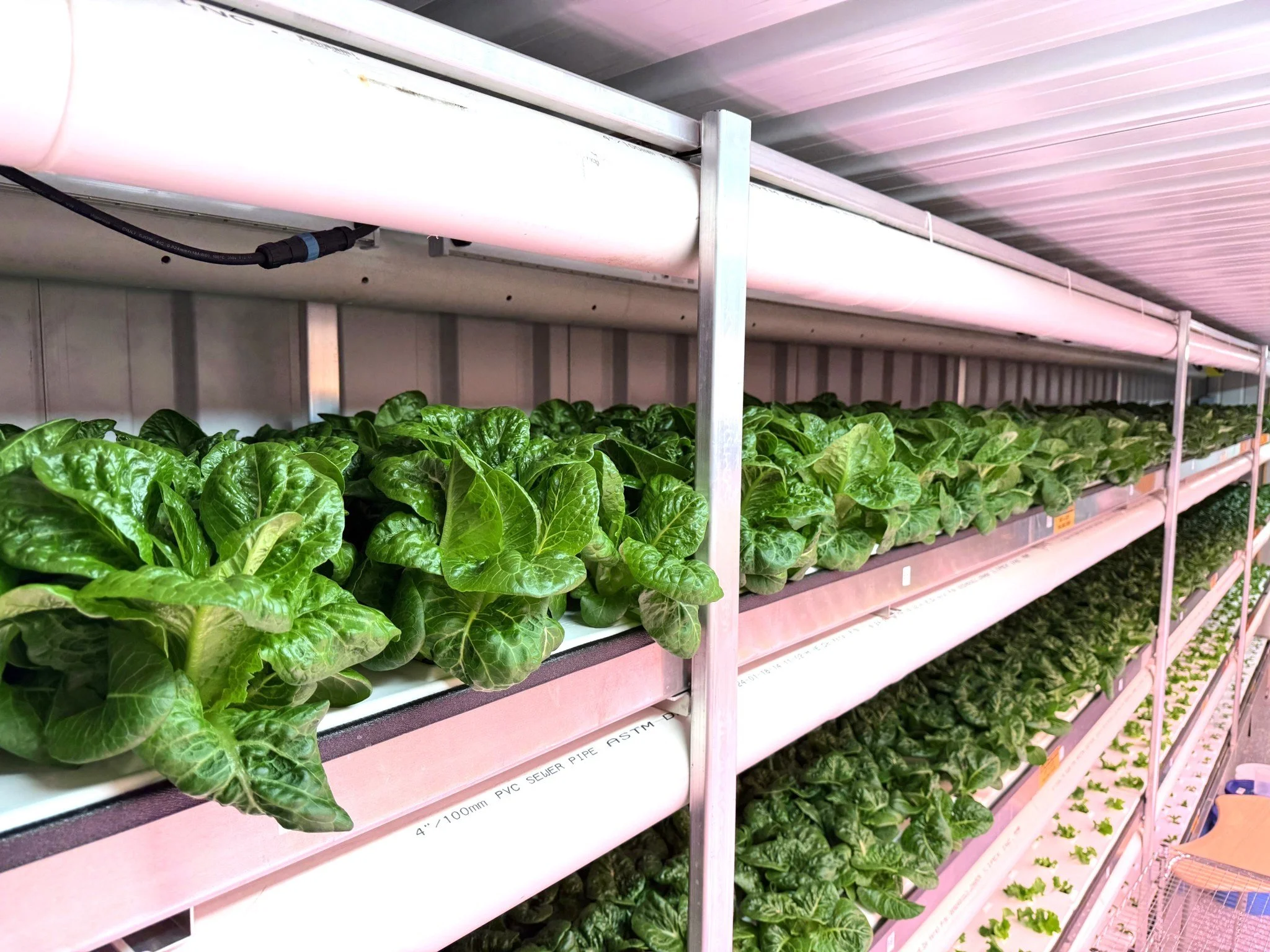
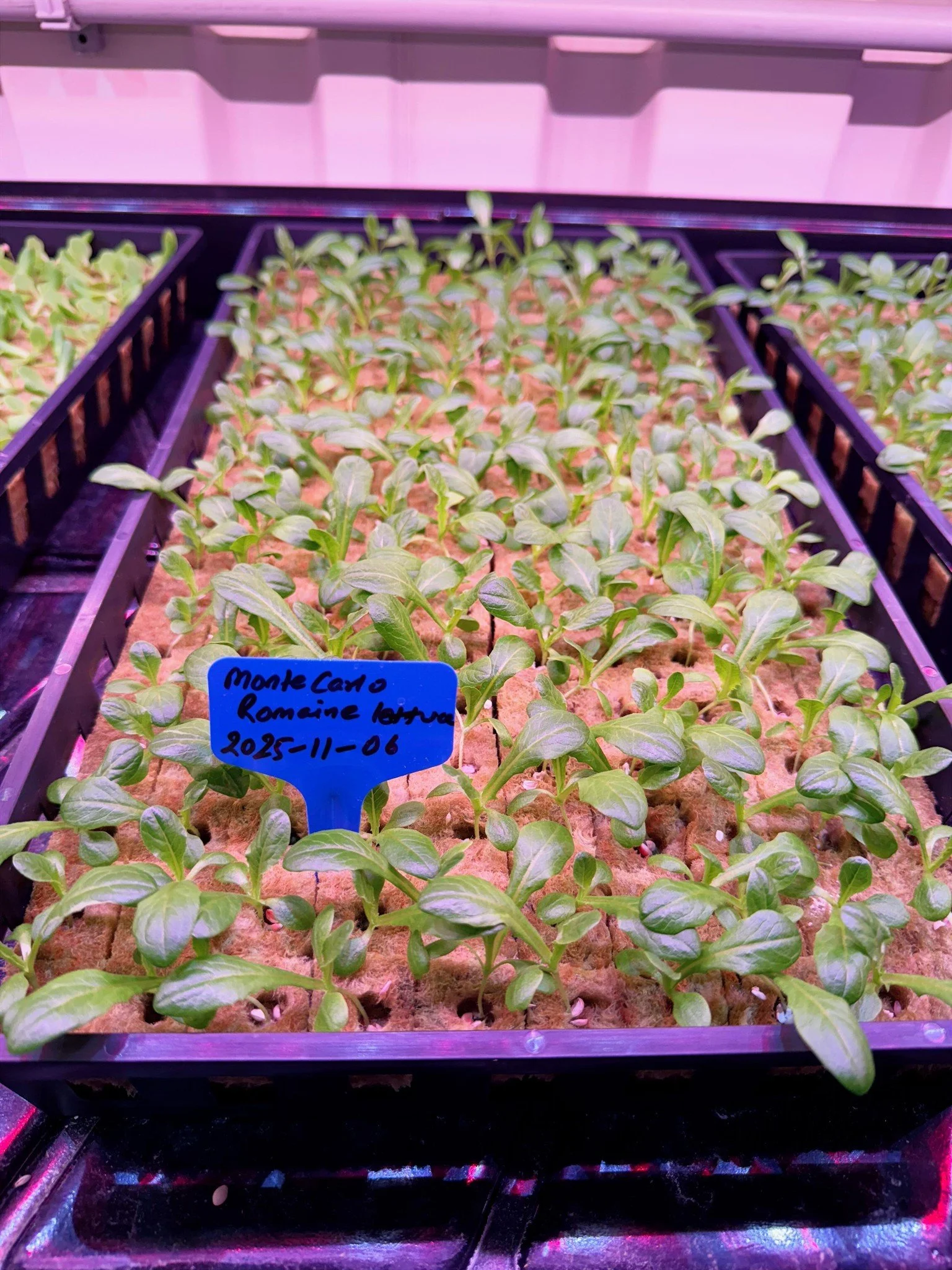
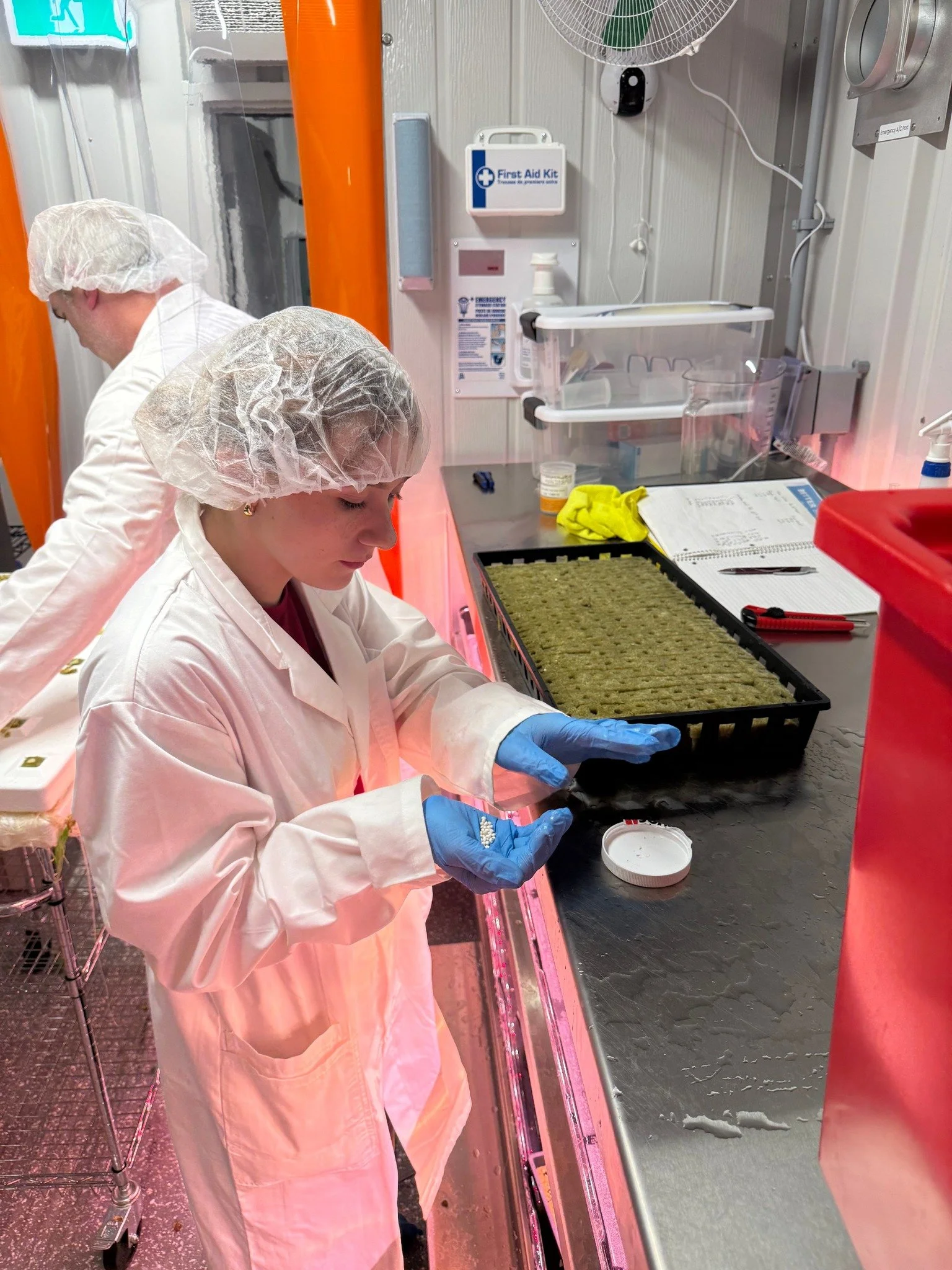
In September 2025, HPSD installed a Growcer vertical farm beside Prairie River Junior High and E.W. Pratt High School. The two schools share the farm as a learning environment, with students rotating through seeding, transplanting, harvesting, and learning how a working farm runs. Growcer's support was central to the early stages.
"Nick [with Growcer] was pretty invaluable to just kind of show us, show us the vision, or help us see the vision for the project. And that was really beneficial, for sure," McDonald says.
HPSD chose to access their farm through the Growcer Fund, Growcer's pay-as-you-grow model. Rather than purchasing outright, operators receive a complete vertical farm, ongoing maintenance, technical support, and funding guidance for under $1,000 CAD per week with capital maintenance costs covered.
For a first-time grower, this mattered. McDonald's team wanted training built in and support at every turn. Midway through their first winter, the HVAC system froze and humidity inside the farm climbed to nearly 90% which is dangerous for crops.
McDonald's team, HPSD's maintenance crew, and Growcer's support team moved fast. A contractor came from Grand Prairie, 200 kilometres away. The farm stabilized, and HPSD wasn't on the hook for the repair because it's covered through the Growcer Fund.
"Our maintenance department could have helped out, but not having to pay for it was the big benefit," McDonald says. “We were quite relieved when it was fixed and we’ve seen a little bit of stunting in some of our plants during that time but it’s getting back on track.”
Creative Funding
The upfront cost of a vertical farm can stop a conversation before it starts. McDonald reframed it: the farm is a significant investment, but so are the grants available to fund it.
He came to the board with a plan showing how grants could cover a substantial portion of the cost, bringing the out-of-pocket commitment to something the division could realistically manage.
HPSD blended several sources: a federal Local Food Infrastructure Fund (LFIF) grant applied for with support from Growcer's grants team, a major private contribution from the Buchanan Family Foundation, and smaller donations from businesses and community members. Once people heard what was being built, they wanted to be part of it.
McDonald didn't lead with the technology when presenting to decision makers. He led with what his board already cared about.
"I focused on the priorities of our board, which is a healthy child and an educated child. We really leaned on how we can use this as a classroom, as well as a source for nutritious produce for the division," McDonald says. "Just being prepared and knowing that the initial shock of the cost of the farm can be a little bit daunting for some people when they see it. So having a plan of how you plan to break that down so you can prepare for the arrival of the farm."
His superintendent, the board, the community, the county, the Growcer team, the school chef, the maintenance lead, each played a role.
"The project was too big to think I had everything figured out before we could move forward. So I kind of just dealt with what came to the best of my ability with the help of, of course, my board, my superintendent, and just working things out through that process," McDonald says.
“The project was too big to think I had everything figured out before we could move forward. So I kind of just dealt with what came to the best of my ability with the help of, of course, my board, my superintendent, and just working things out through that process.”
Community Impact
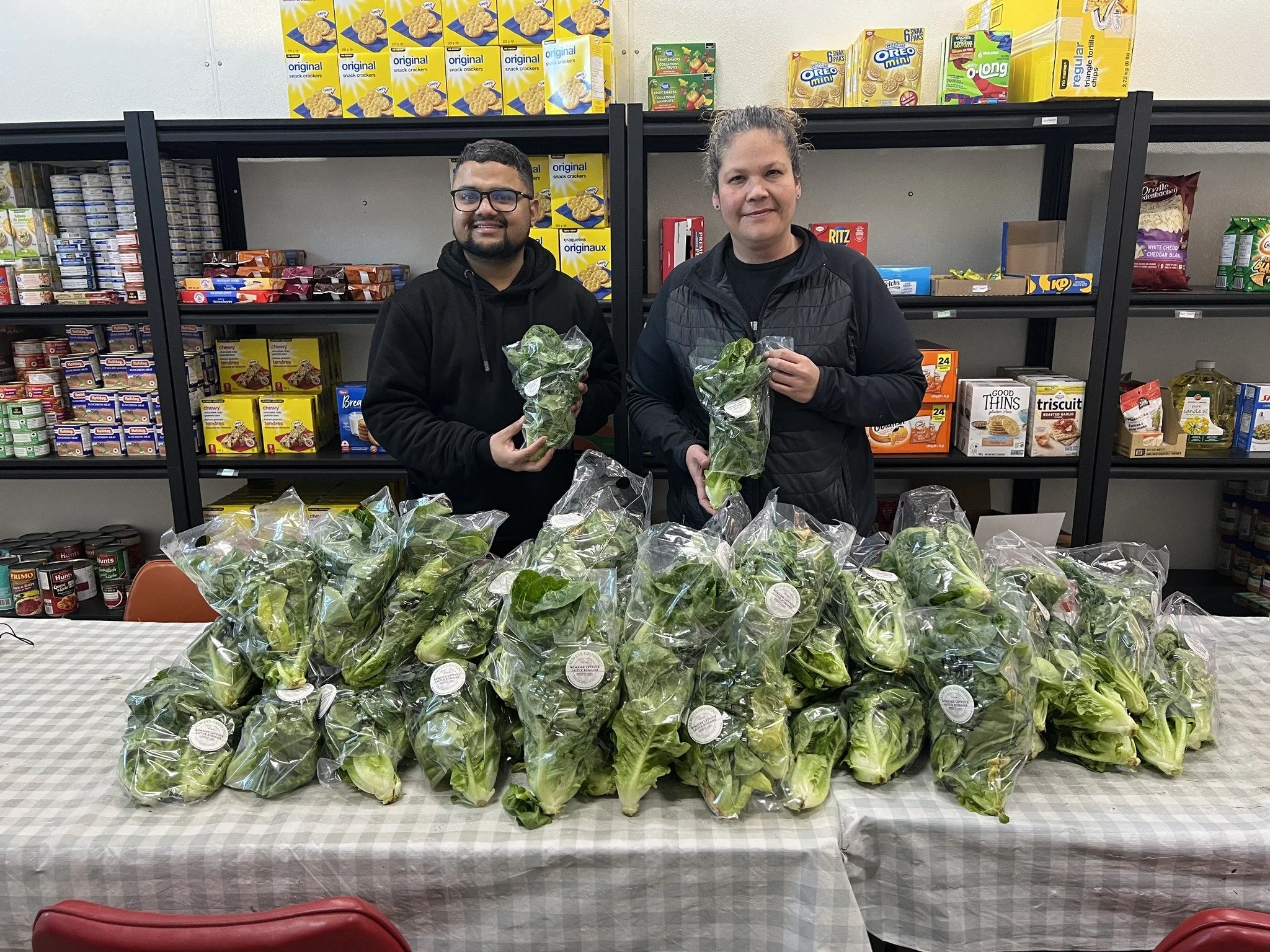
The school donates 100 heads of lettuce weekly to the High Prairie & District Food Bank Society and 50 heads to the High Prairie & District Children’s Resource Council to support local families with fresh, healthy produce.
Salad bars run twice a week at E.W. Pratt High and Prairie River Junior High and all 13 schools in the division want more lettuce than the farm can currently grow.
"We put the salad bars into place, thinking that kids won't take to this, and we had lineups out the door for our salad days. And so we do it twice a week in most schools, and each time it's picked dry," McDonald says.
Produce also reaches local restaurants, the food bank, the Children's Resource Council, and community members through alwaysgrowing.ca.
"The first time that we sold all the lettuce was kind of our milestone. We got enough orders to wipe us out clearly after 48 hours," McDonald says.
Students at both schools earn micro-credentials and CTS credits through hands-on farm work and they're bringing it home with them.
"These kids are learning different skills in a farm and parents and teachers are saying, my kids talking about what's happening in their class right now, when they go to that farm. So it's drumming up interest," McDonald says.
“These kids are learning different skills in a farm and parents and teachers are saying, my kids talking about what’s happening in their class right now, when they go to that farm. So it’s drumming up interest.”
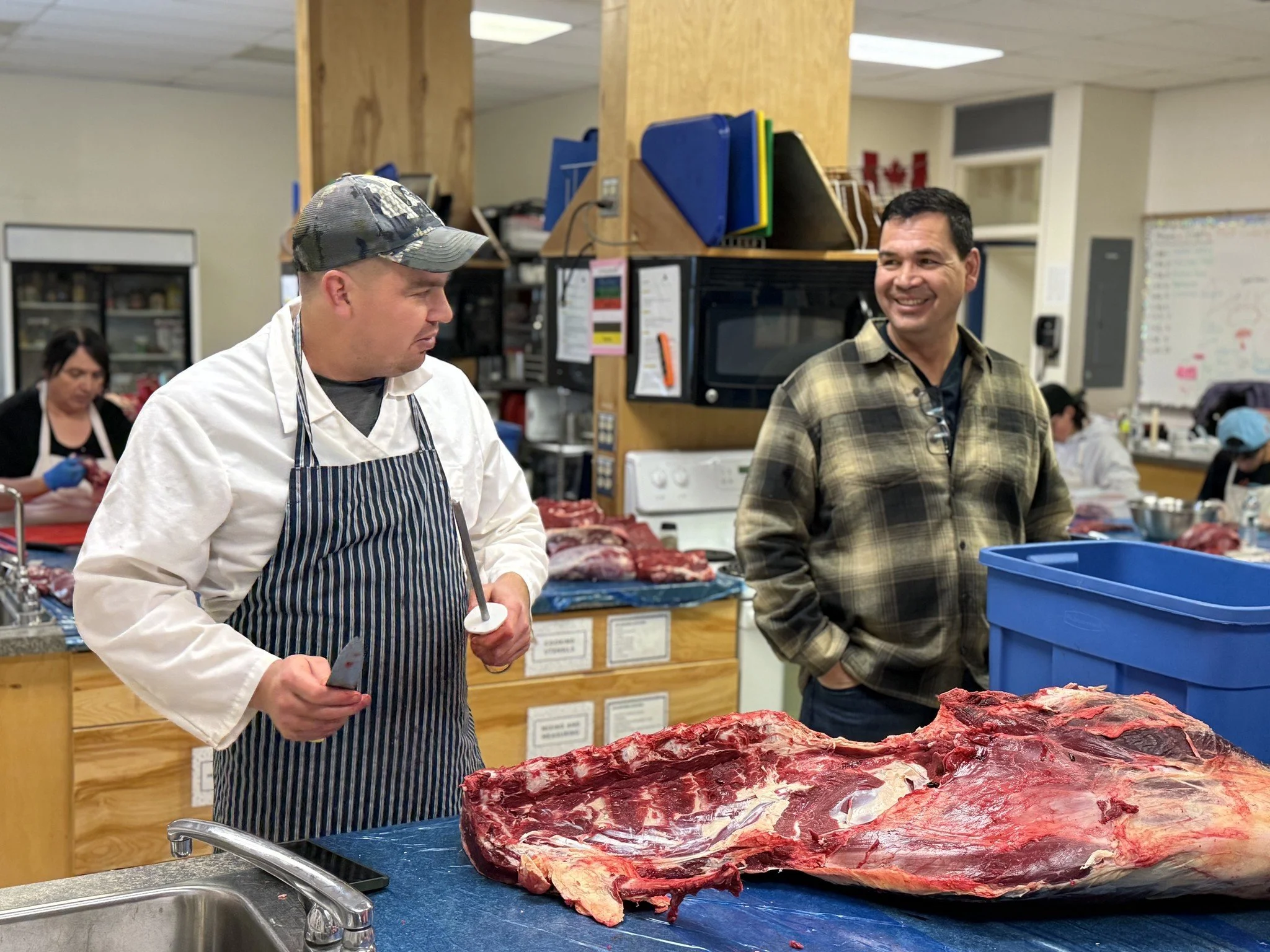
The Youth Council for Reconciliation at Georges P Vanier School used a portion of their grant funding to purchase a bison, giving another school the opportunity to participate in this land-based learning experience.
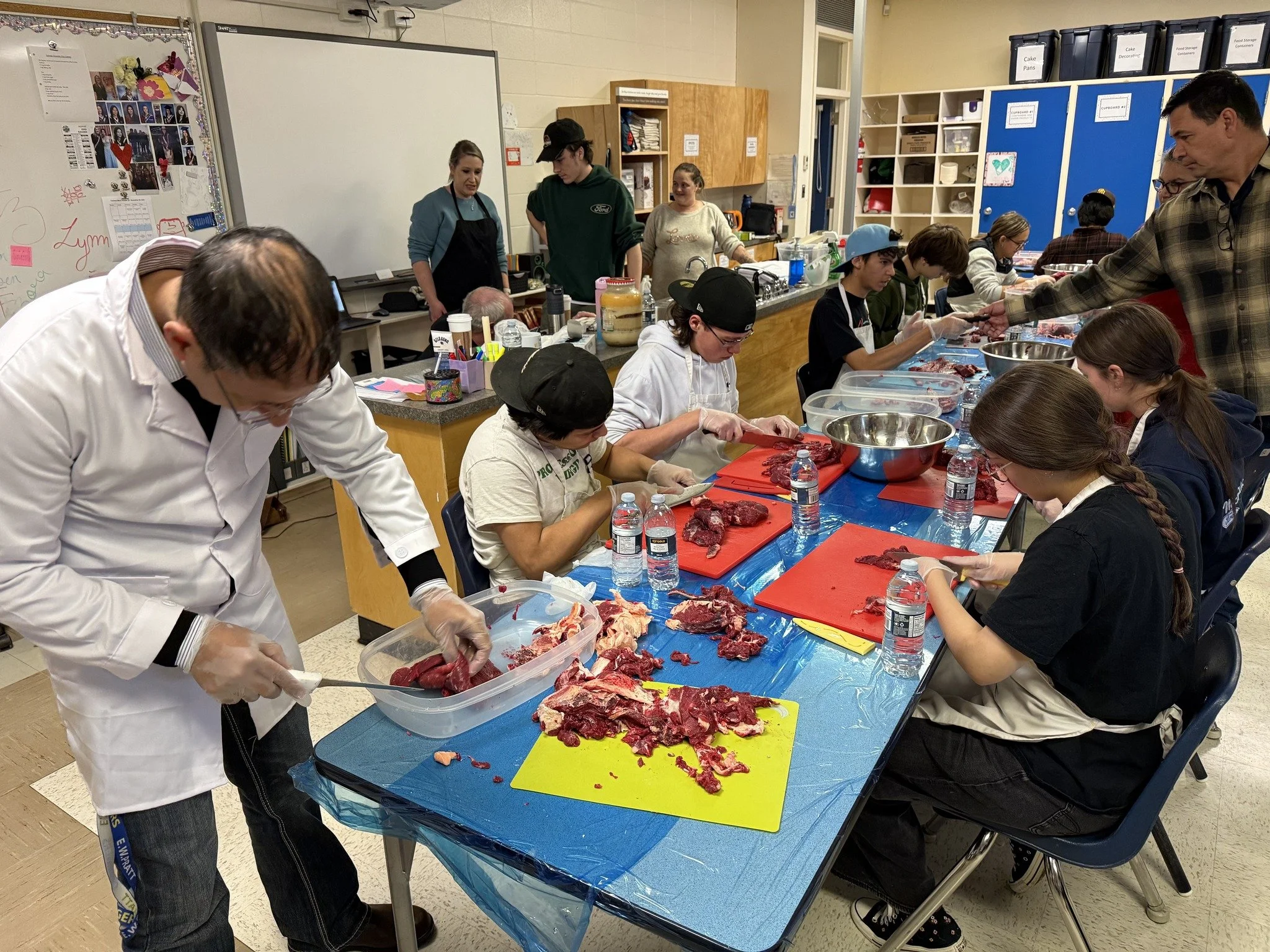
They also chose to share the resulting meat through the Division's hot lunch program, extending the benefits of this project to students across HPSD.
The vertical farm was always step one. A greenhouse, livestock, and eggs are the longer-term vision, pending board approval. Six months in, the feedback makes the case.
"We've only been growing for about six months. The feedback is quite impressive. They love the freshness of the lettuce. They love the quality and the learning that's happening with the kids as well the sense of pride that they're taking in working in the farm and making it, making it their own," McDonald says.
A community in northern Alberta set out to make one local meal. They're well on their way.
Free Webinar: How to Get Your Community Food Project Funded

Brennan McDonald from High Prairie School Division is speaking on April 21, 2026 to share exactly how they got there — the board conversations, the funding strategy, the hurdles, and what it felt like when it all came together.
If you've been sitting on a community food idea and wondering how to actually fund it, this one's worth an hour of your time.
Free Webinar: How to Get Your Community Food Project Funded
April 21 at 1:00 PM ET/11:00 AM MT