
Project at a Glance
Launched: October 2025, New Glasgow, N.S.
Goal: Grow fresh food for the community, create meaningful employment opportunities, and share the harvest with people experiencing food insecurity. These three goals were established by Summer Street's Participant Council.
Distribution: At least one-third of the harvest is donated through Summer Street's Community Giving Program, made possible by the support of a community donor. In its first year, approximately 40 per cent of the harvest was shared with local food banks and community food-security initiatives. The remaining harvest is sold through Summer Street's Farm Store, on-site farm fridge, the New Glasgow Farmers' Market, local retailers, and other commercial customers, or used in Summer Street's food services.
Impact: Four full-time supported employment positions and a range of micro jobs for participants with diverse abilities. Year-round access to fresh, locally grown greens through community giving, retail sales, and partnerships that strengthen local food security.
Operator: A farm manager oversees operations, supported by an agricultural technician and four participants employed full-time in the Farm.
“They want to be able to grow food to eat. They want to be able to grow food so that they can get a job. And get paid to grow that food, and most importantly, to be able to grow food to give to those hungry people out there. And we’re doing all three every week.”
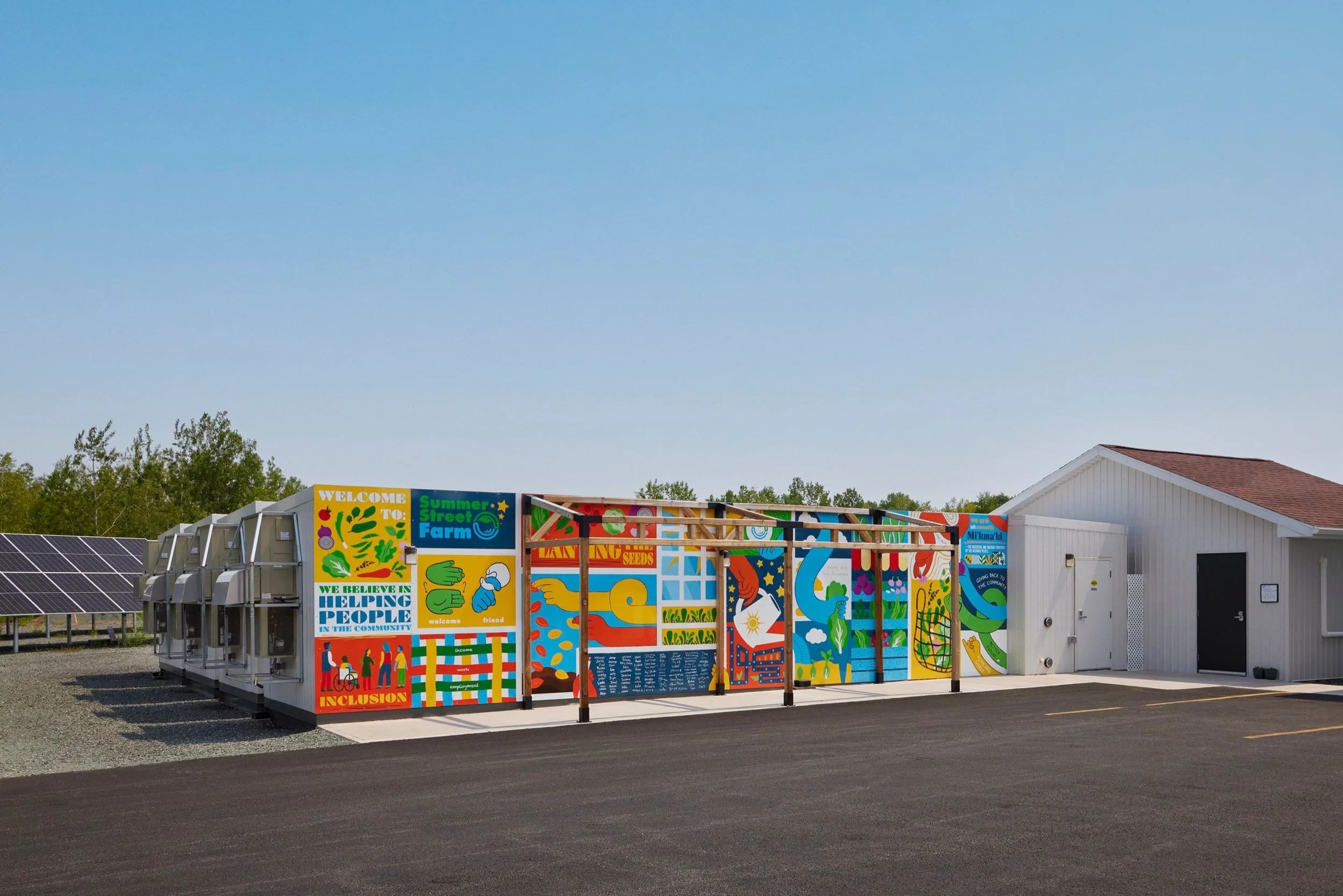
Summer Street Farm with the solar array in the back. Photo credit to Banko Creative Studio.
Since 1968, Summer Street Industries has created opportunities for people with diverse abilities in New Glasgow, N.S. Bob Bennett, executive director, has been part of that work for 40 of those years. Through employment services, social and skill building programs, and social enterprises, Summer Street supports participants in building skills, pursuing their goals, and contributing to their community. Its newest social enterprise, Summer Street Farm, grew from an idea championed by participants themselves.
"They want to be able to grow food to eat. They want to be able to grow food so that they can get a job. And get paid to grow that food, and most importantly, to be able to grow food to give to those hungry people out there. And we're doing all three every week," Bennett says.
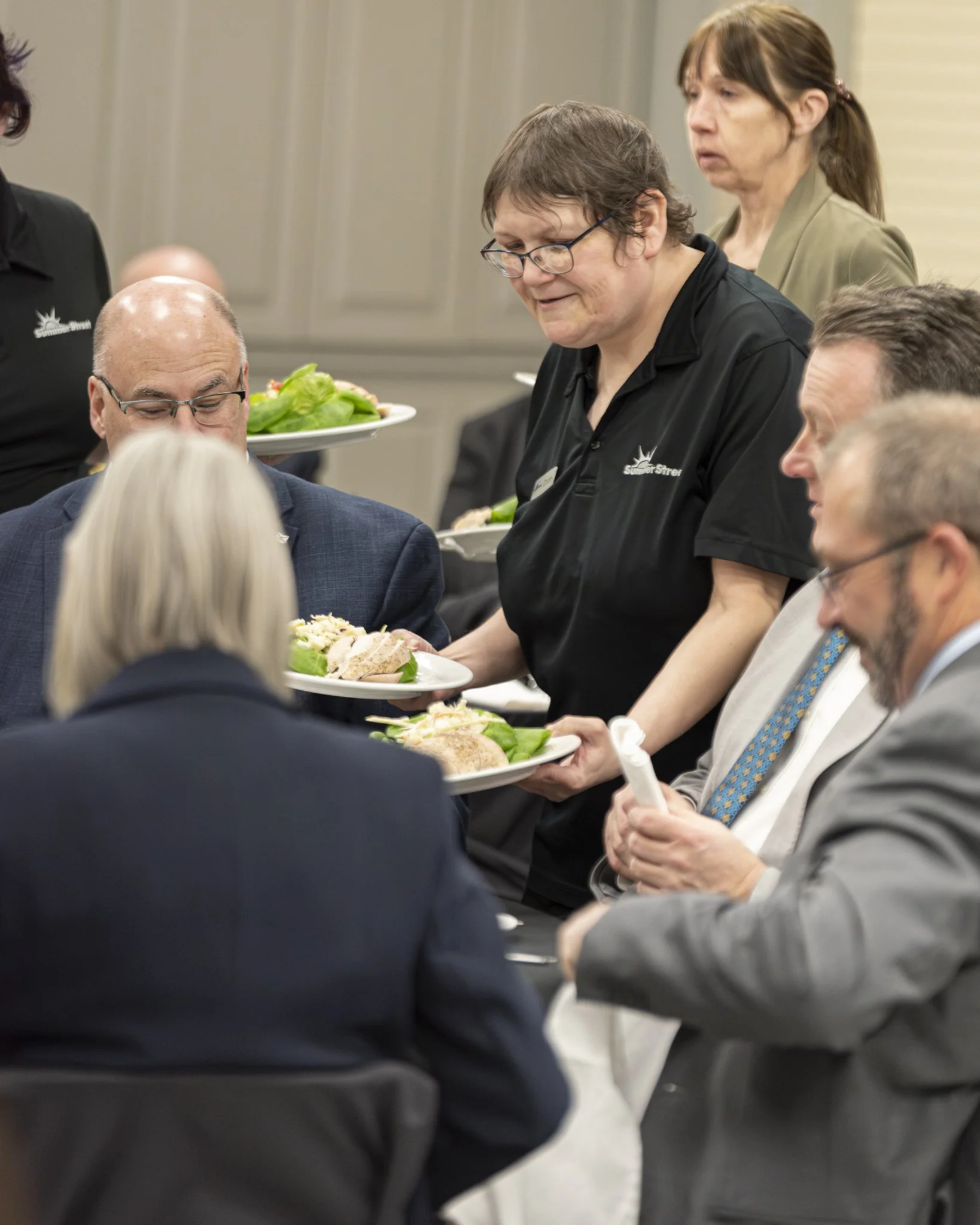
Produce grown in the farm being served during the grand opening.
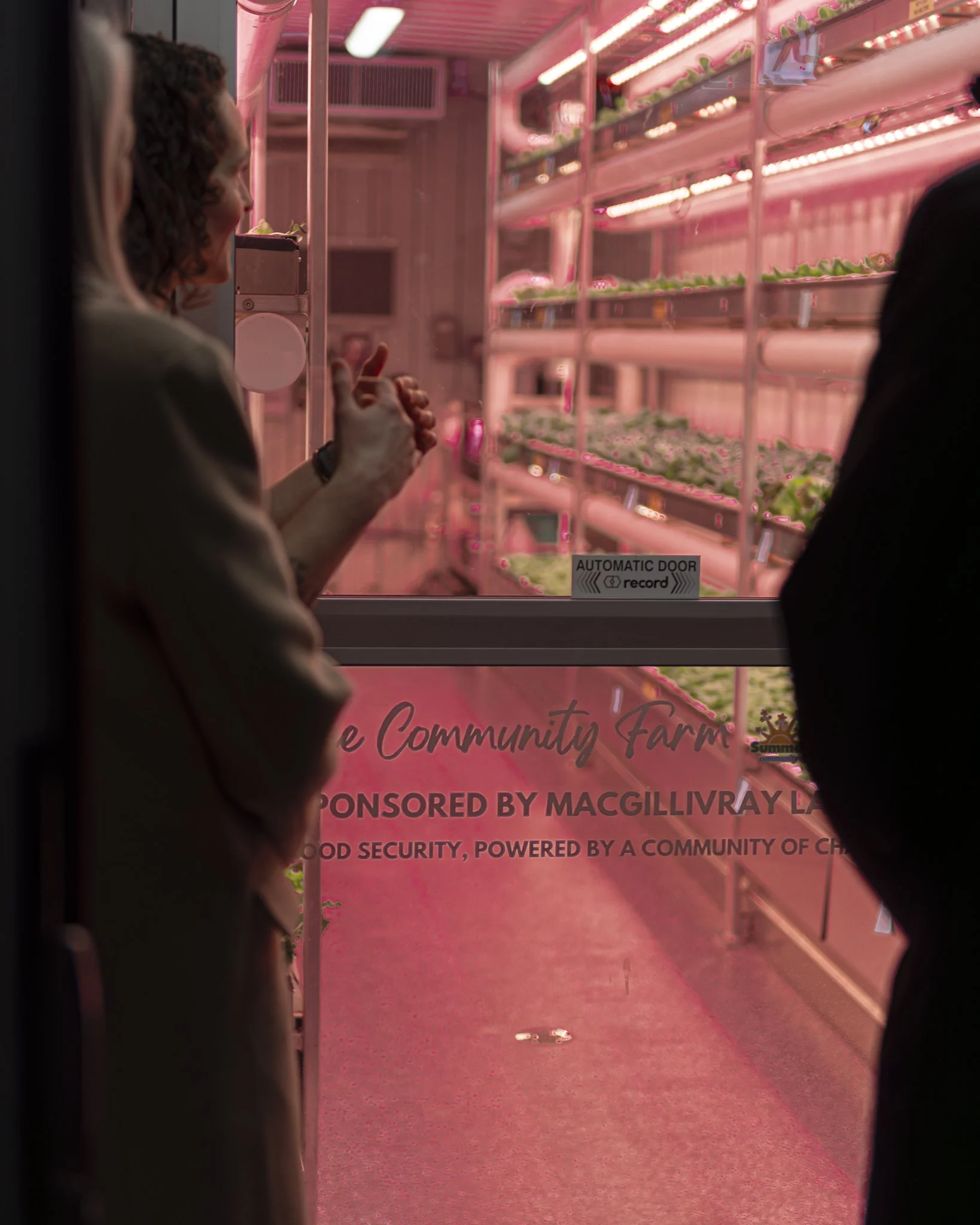
Guests viewing the farm through the glass during the grand opening.
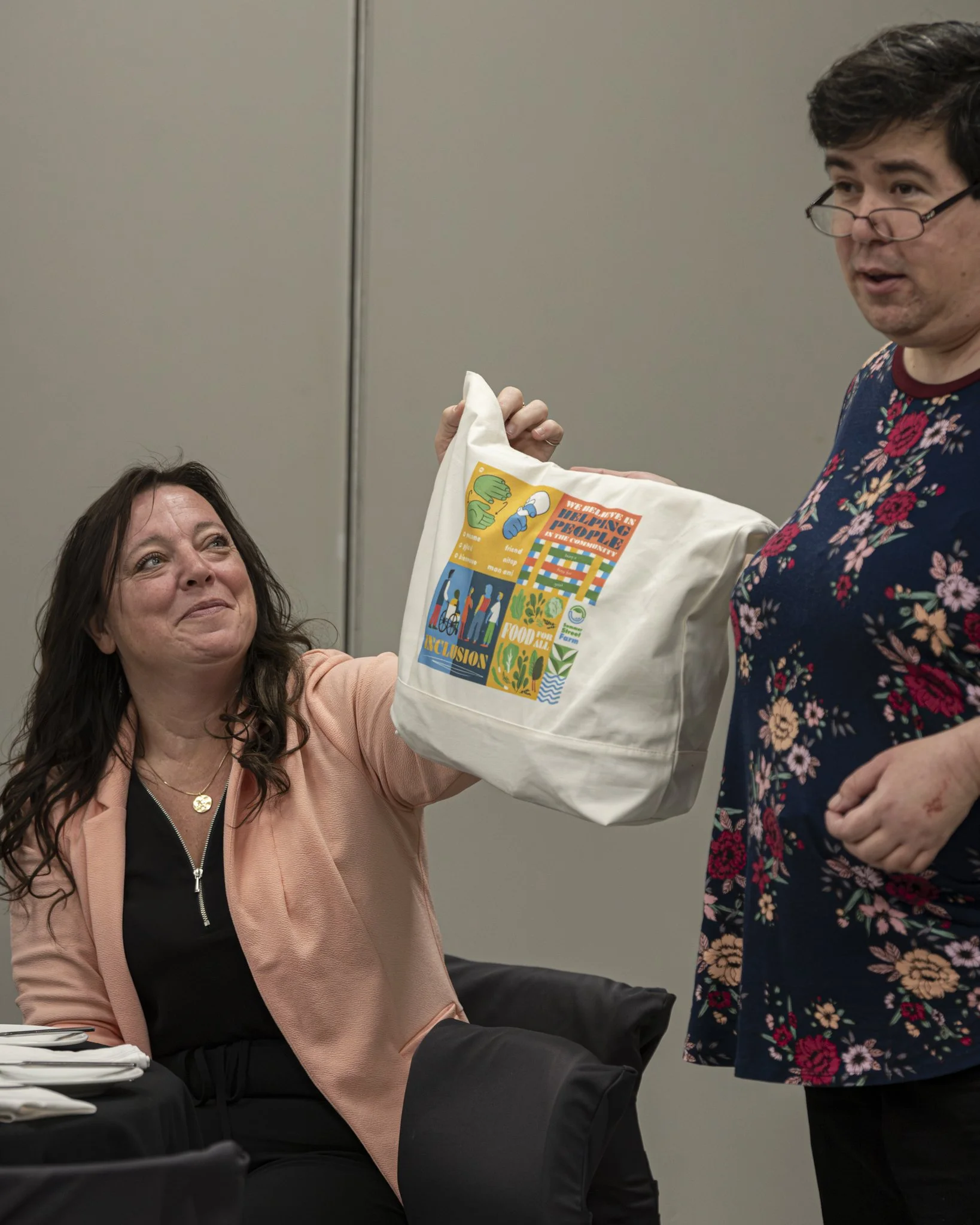
“Rooted in Inclusion” speaks to the farm creating opportunity for people with diverse abilities.
Opportunity: Three Things the Participants Asked For
At Summer Street Industries, participants help shape the organization's direction through the Participant Council. When the idea of developing a farm was explored, council members established three priorities: grow food they could eat, create meaningful employment opportunities, and give food to people in the community who need it.
Emily Dignan, a participant at Summer Street Industries and a member of the Participant Council, was one of the voices championing the idea. While she doesn't work inside the growing units, she now has a paid role in the Farm Store, helping bring the project she advocated for to life.
"I kept asking and repeating about that quite a lot on the participants council. I just kept being persistent," Dignan says.
The original plan was to build a traditional greenhouse, but rising construction costs following the pandemic made the project difficult to pursue. With the growing frequency and unpredictability of severe weather in Atlantic Canada, the team began looking for a more resilient approach to year-round food production. Bennett didn't want to go back to the council and tell participants their farm couldn't happen. He started looking for another way.
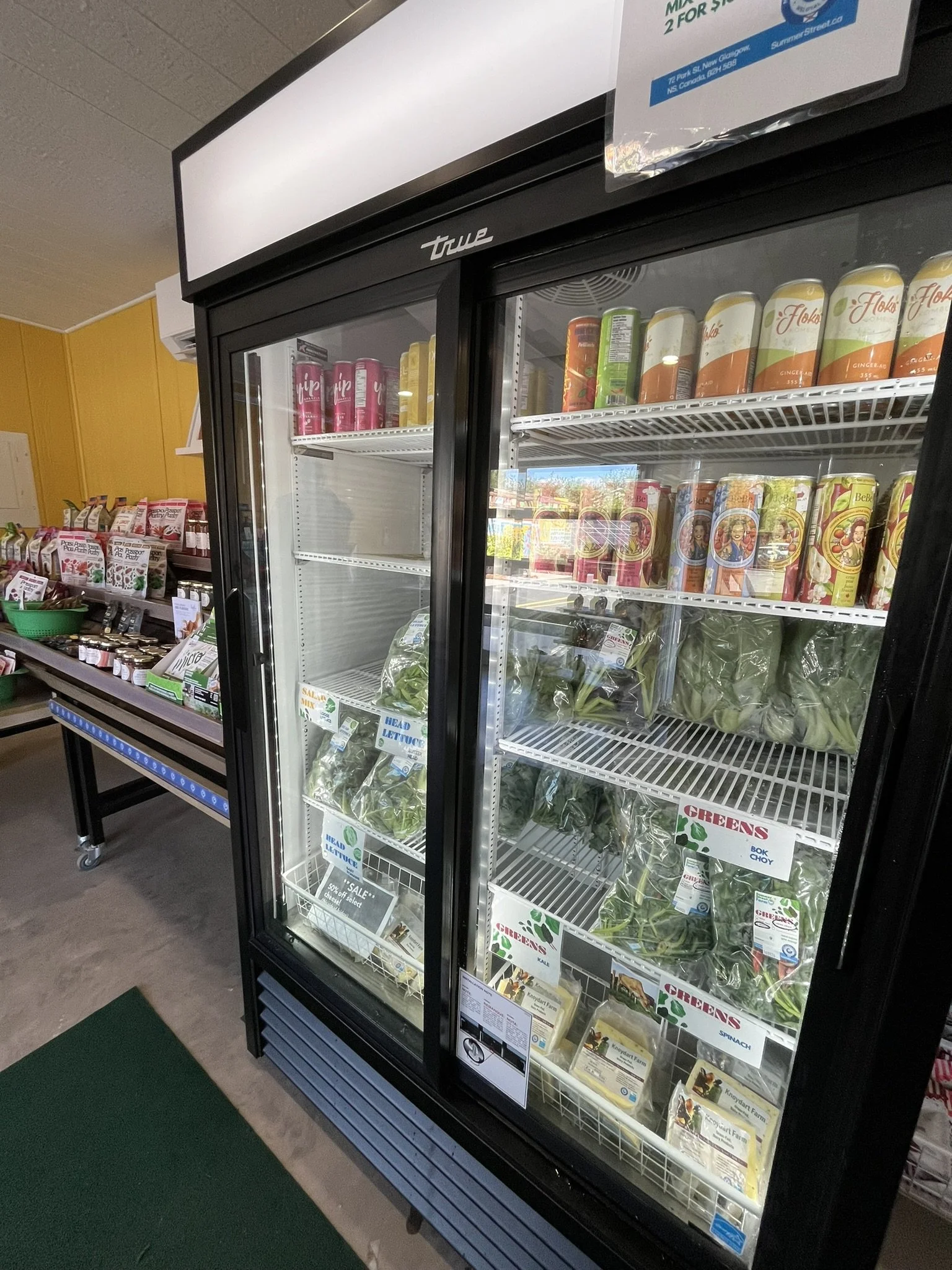
Fresh produce grown steps away is now available at their farm store.
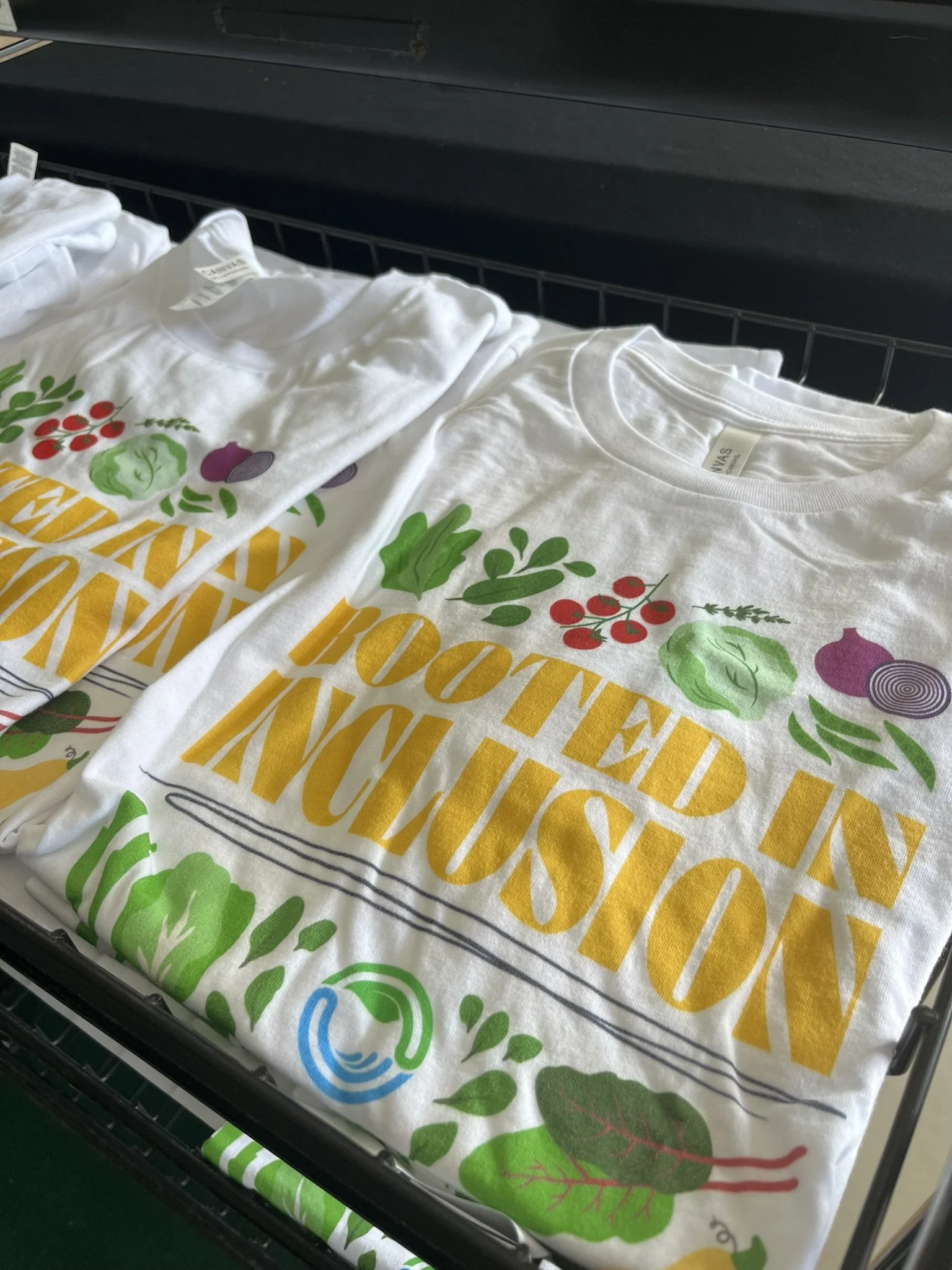
“Rooted in Inclusion” shirts also available at their farm store to speak to Summer Street’s greater mission.
Solution: Training Built In
Bennett learned about Growcer's hydroponic farms and travelled to Vaughan, Ont., to see one in operation at Reena. When he brought the idea back to the council, members asked one question first: would it meet their three goals? It would. Summer Street Farm was commissioned in October 2025 with three Growcer farms, one hub, and one cold storage unit.
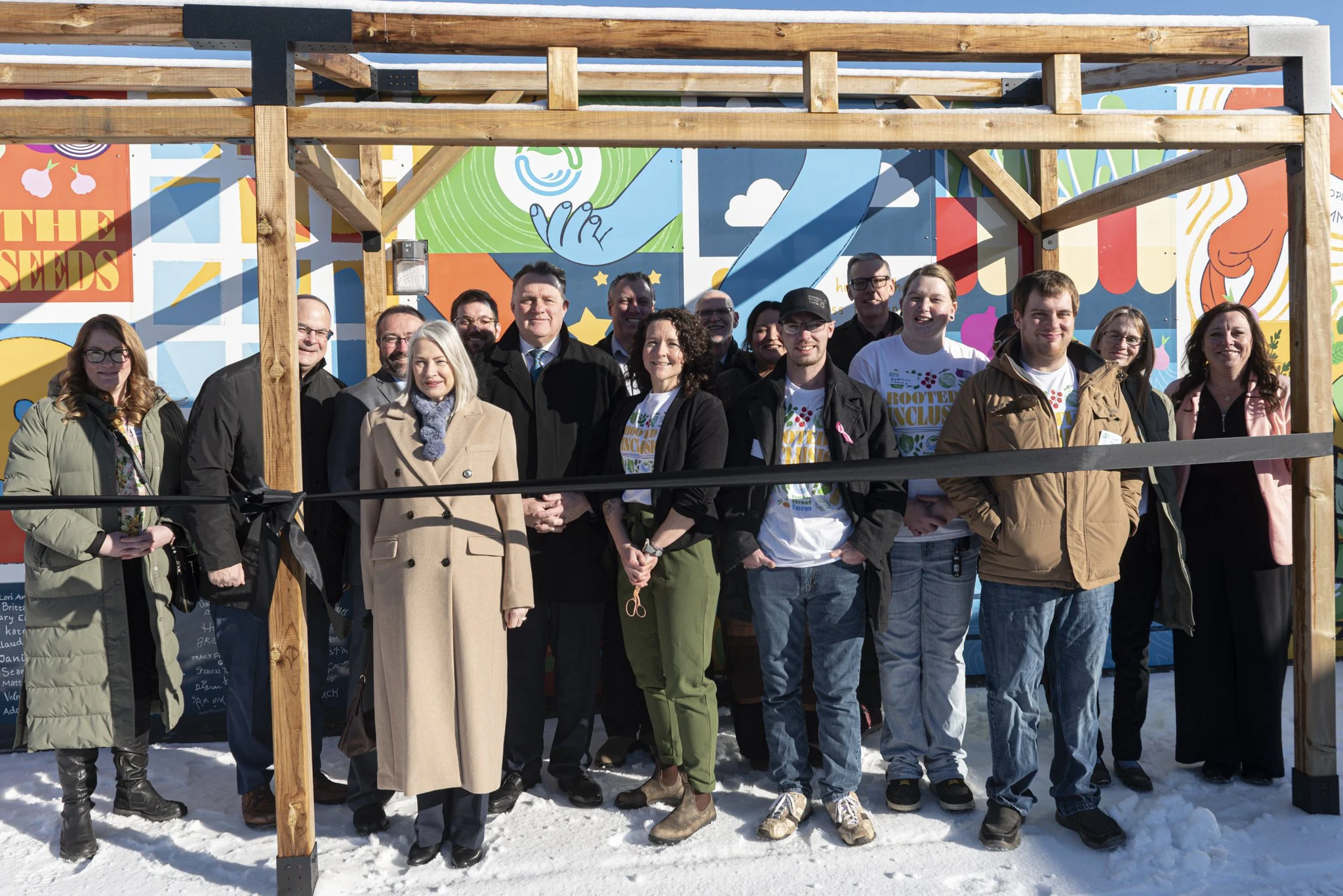
Summer Street Farm’s grand opening.
Why Training Mattered
Summer Street Industries had never run a farm. Before the farms arrived, staff, managers, and participants travelled to Ottawa for Rootcamp, Growcer's training program, to learn how to operate them.
"To have the training. I mean, we could buy something else from just about any supplier. There are other ones out there. No one offered training. No one offered ongoing support that we could find anyway, and that was important to us, and it's still important to us," Bennett says.
An on-site solar array also helps power the Farm, reducing its reliance on grid electricity and supporting Summer Street's commitment to environmental sustainability.
Participant-Led: Jobs In and Around the Farm
Summer Street Farm provides four full-time supported employment positions for participants with diverse abilities, with additional paid opportunities throughout the Farm's operations. An agricultural technician supports the growing team, and farm manager Cathy Munro oversees the Farm.
"Summer Street offers opportunities that are participant-led, and this project is an example of that. Coming from the Participant Council, they wanted to do three things: they wanted to grow food they could eat. They wanted opportunities to work in agriculture, and they wanted to give back to their community. So the fact that we offer supported employment positions in agriculture, specifically for people who want to do that, is such an important mandate that Summer Street has," Munro says.
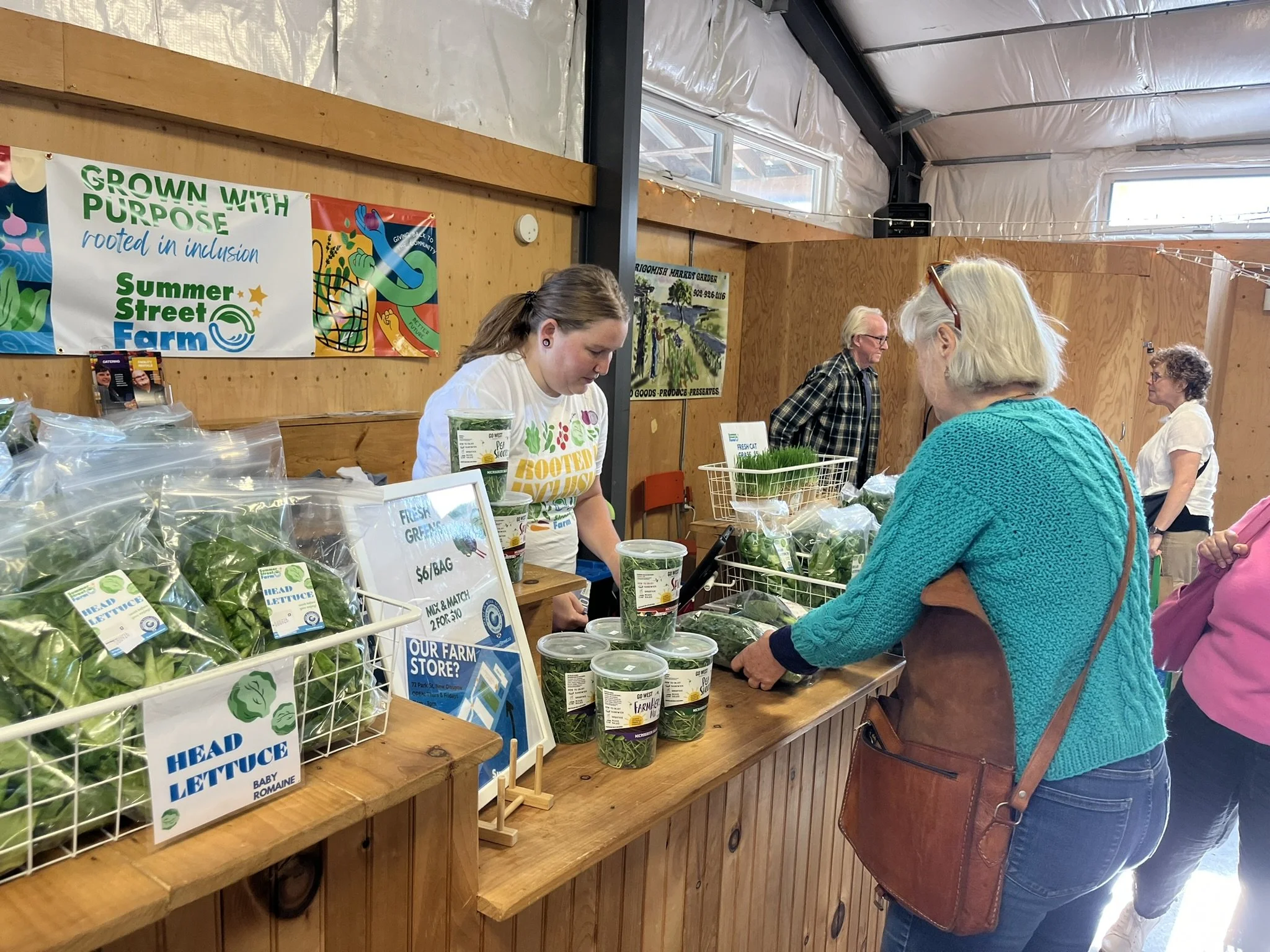
Approximately 40 per cent of the harvest is shared with local food banks and community food-security initiatives. The remaining harvest is sold through Summer Street's Farm Store, on-site farm fridge, the New Glasgow Farmers' Market, local retailers, and other commercial customers, or used in Summer Street's food services.
Inside the Farm
Brandan Rankin was one of the participants that travelled to Rootcamp to receive training and is now a farmer at Summer Street Farm. Before the farm, Rankin did yard work and gardening around Summer Street Industries and local businesses. Moving from growing outdoors to growing indoors, Rankin worked slowly at first. As the routine settled in, the work became second nature and his confidence grew. Now he helps others who are learning, and he shows visitors how the farm team seeds. The farm has a range of tasks, and each member of the farm team takes on different ones.
"It's fun. I get to see what their skills are like. They can see my skills," Rankin says. “I didn't really expect myself to be doing something like this, but I enjoy it. I like it. It's a different job."
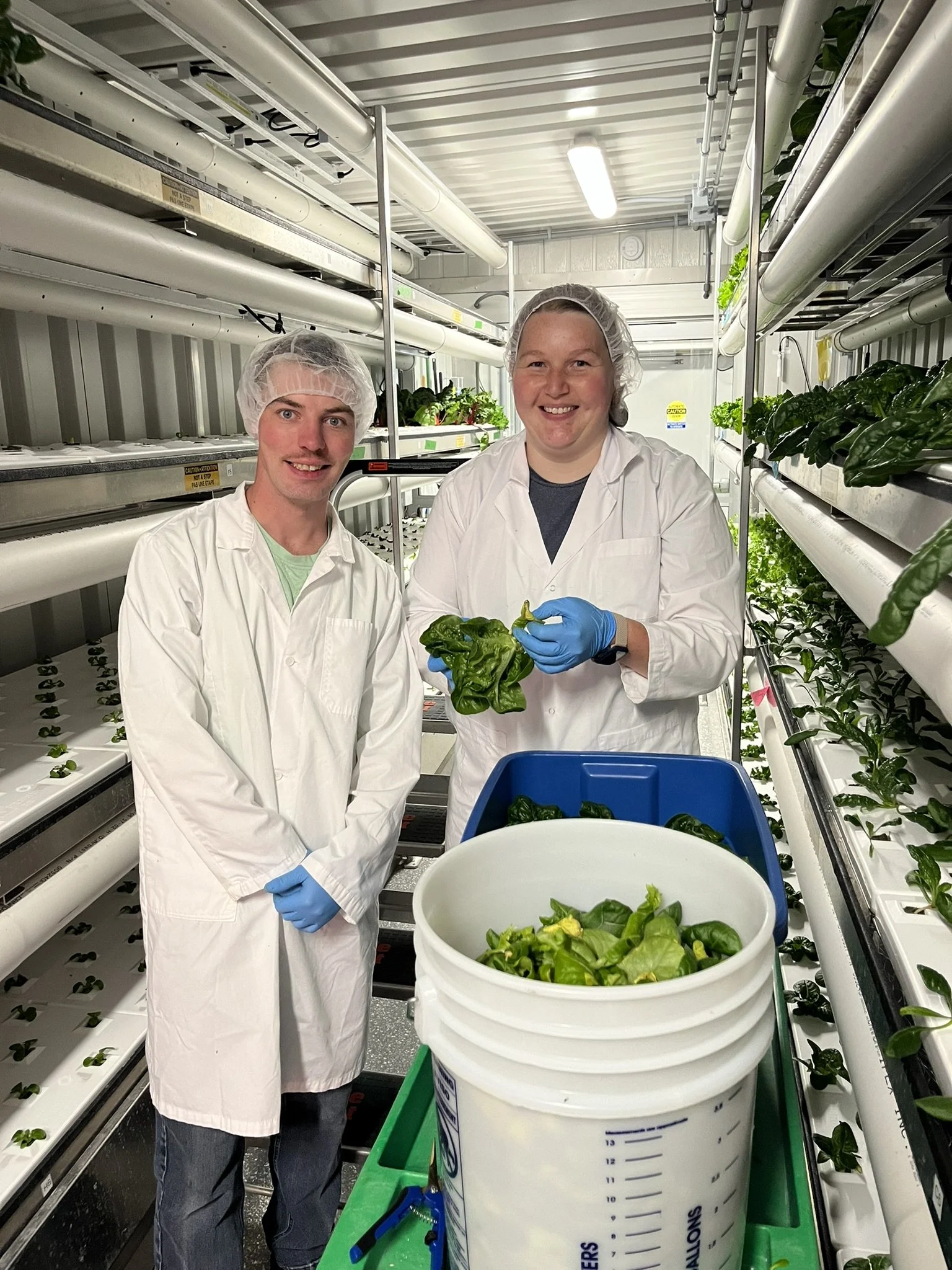
Operators Brandan and Kathleen during a harvest day.
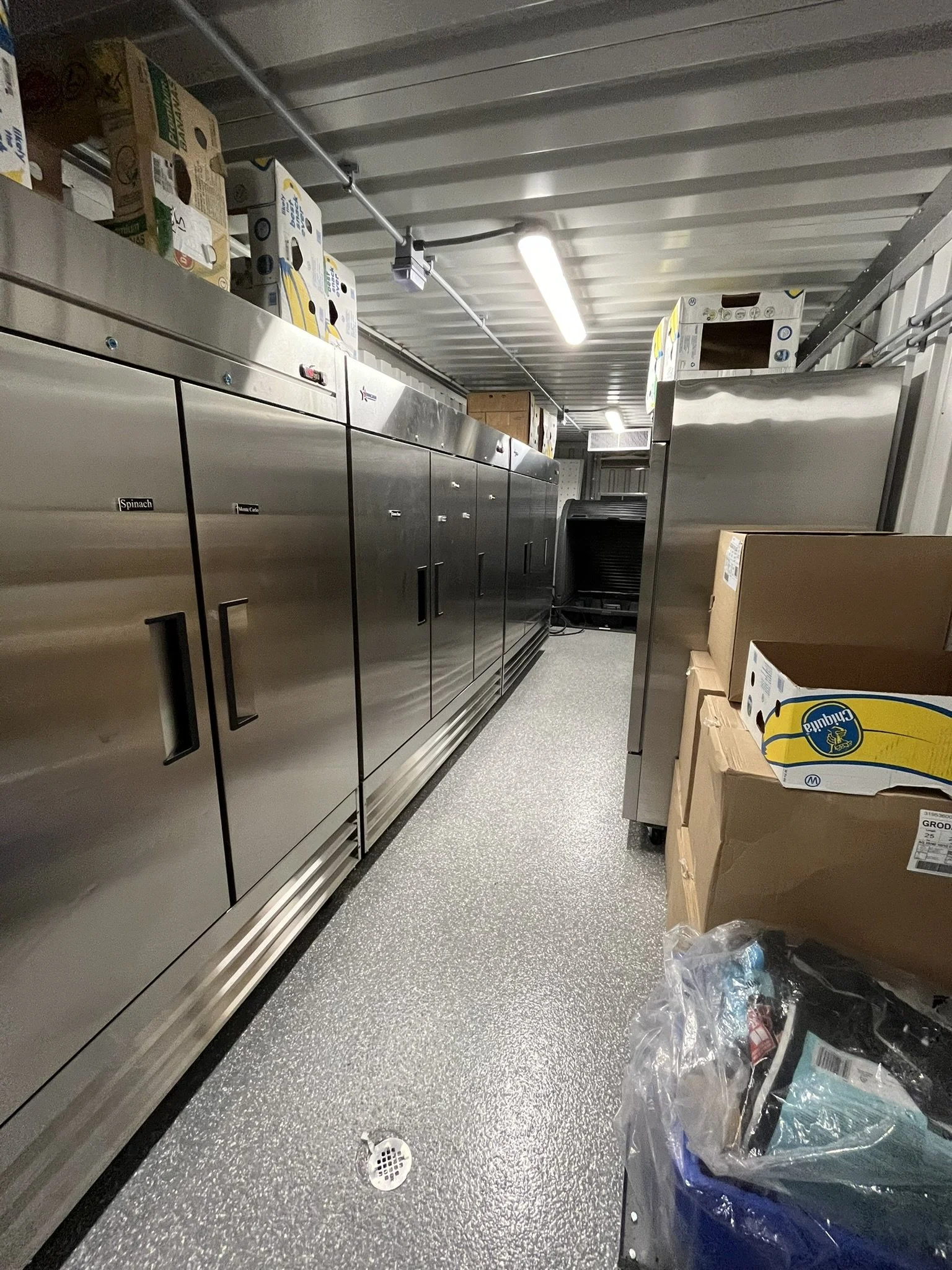
Summer Street Farm has 3 farms, 1 cold storage (above) and 1 hub unit to be able to grow, store, and package produce all in one place.
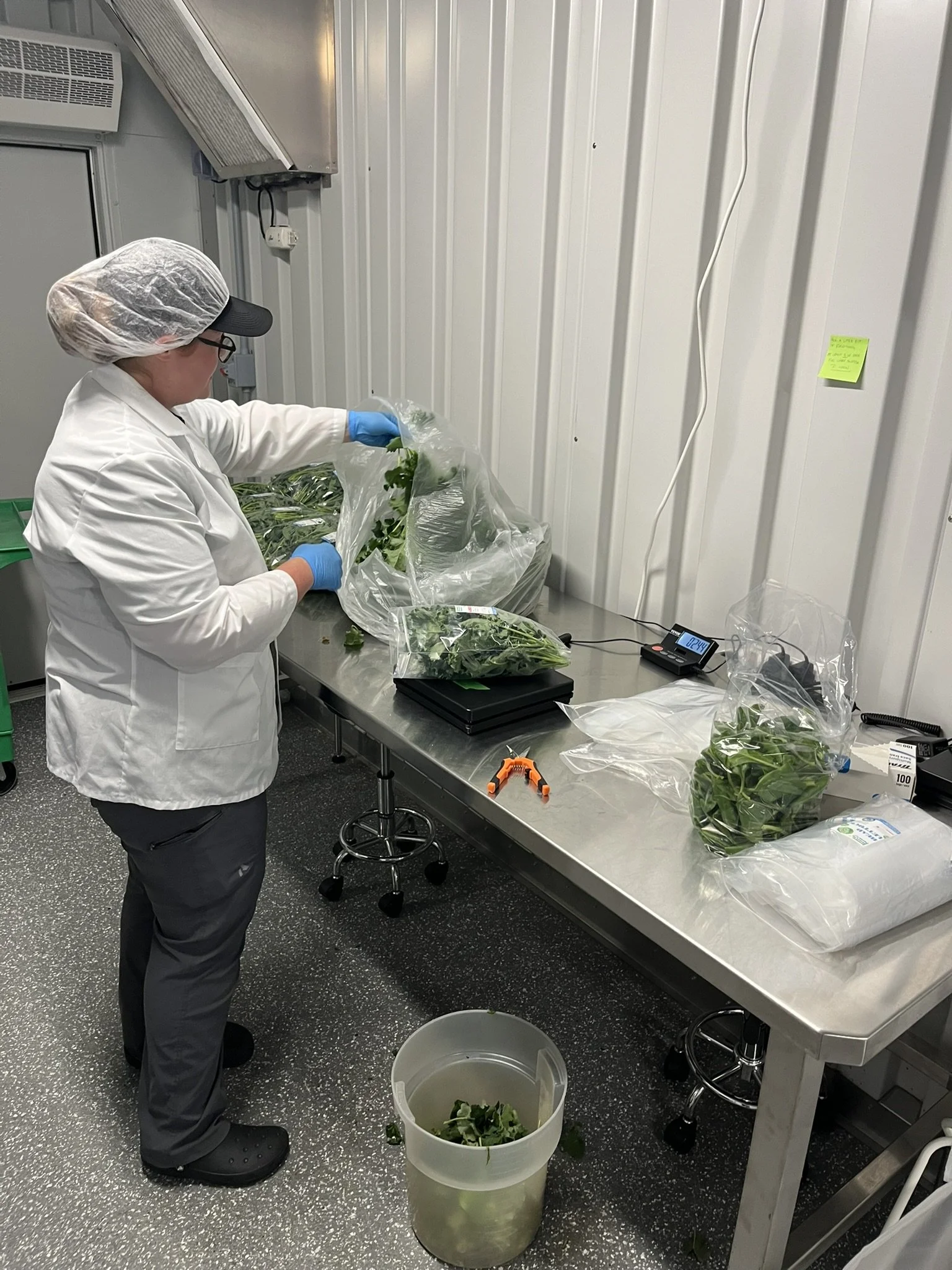
Packaging and weighing produce.
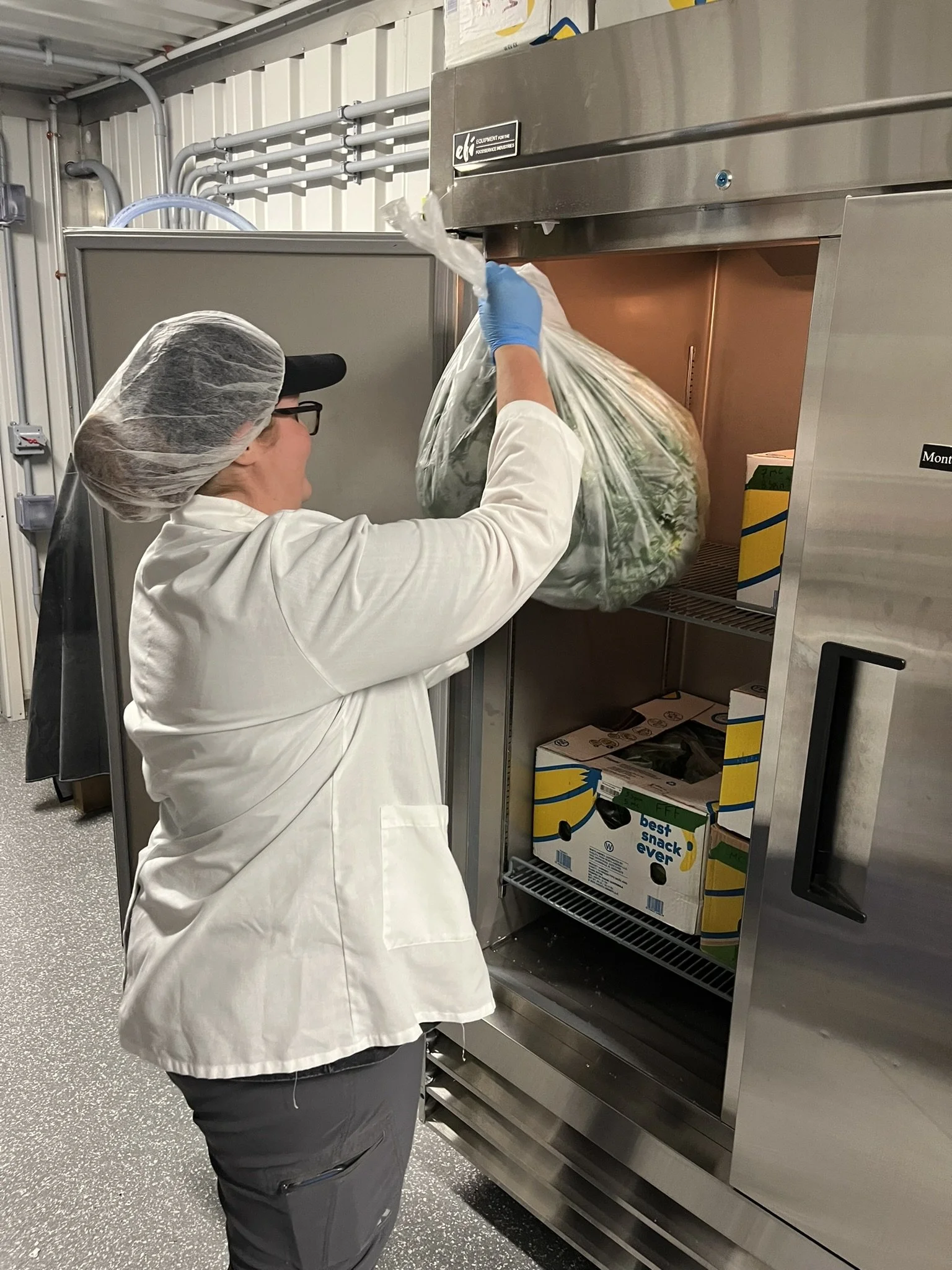
The fridge allows harvested produce to stay fresh.
Around the Farm
Not every job connected to the farm is inside it. Paid micro-jobs create opportunities for more participants to be involved in the Farm's operations, including working in the Farm Store, making deliveries, stocking the community fridge, washing salad for internal catering services, and selling produce at the New Glasgow Farmers' Market. These opportunities are designed around individual interests, abilities, and availability.
Dignan works in the Farm Store, a role she had looked forward to for a long time. She takes pride in her work and in the positive feedback she receives from customers.
"Having a job to me means a lot. It means I get to work hard for my money, and working hard for something that you love, that you show up to every day," Dignan says.
"Well, I would like for people to understand that if a girl like me, that has Down syndrome in this world today, can prove to people that it is time to make sure that the barriers are going to be broken down. People with disabilities can have a job in this world today. That they can do it. They just need the time, the patience, the effort, the tons of support," Dignan says.
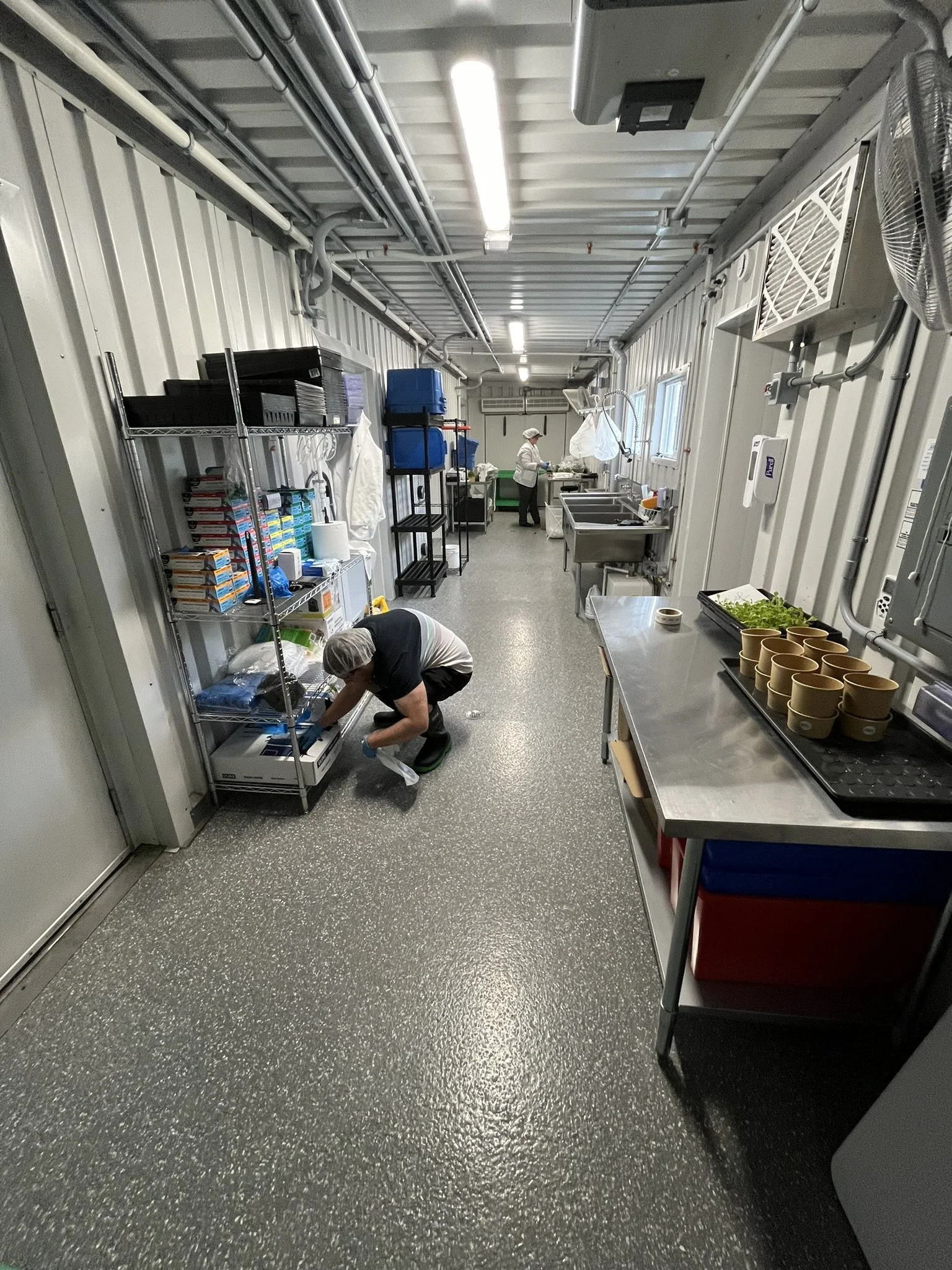
The Hub Unit attaches to their 3 farms and provides extra pest protection and space to work.
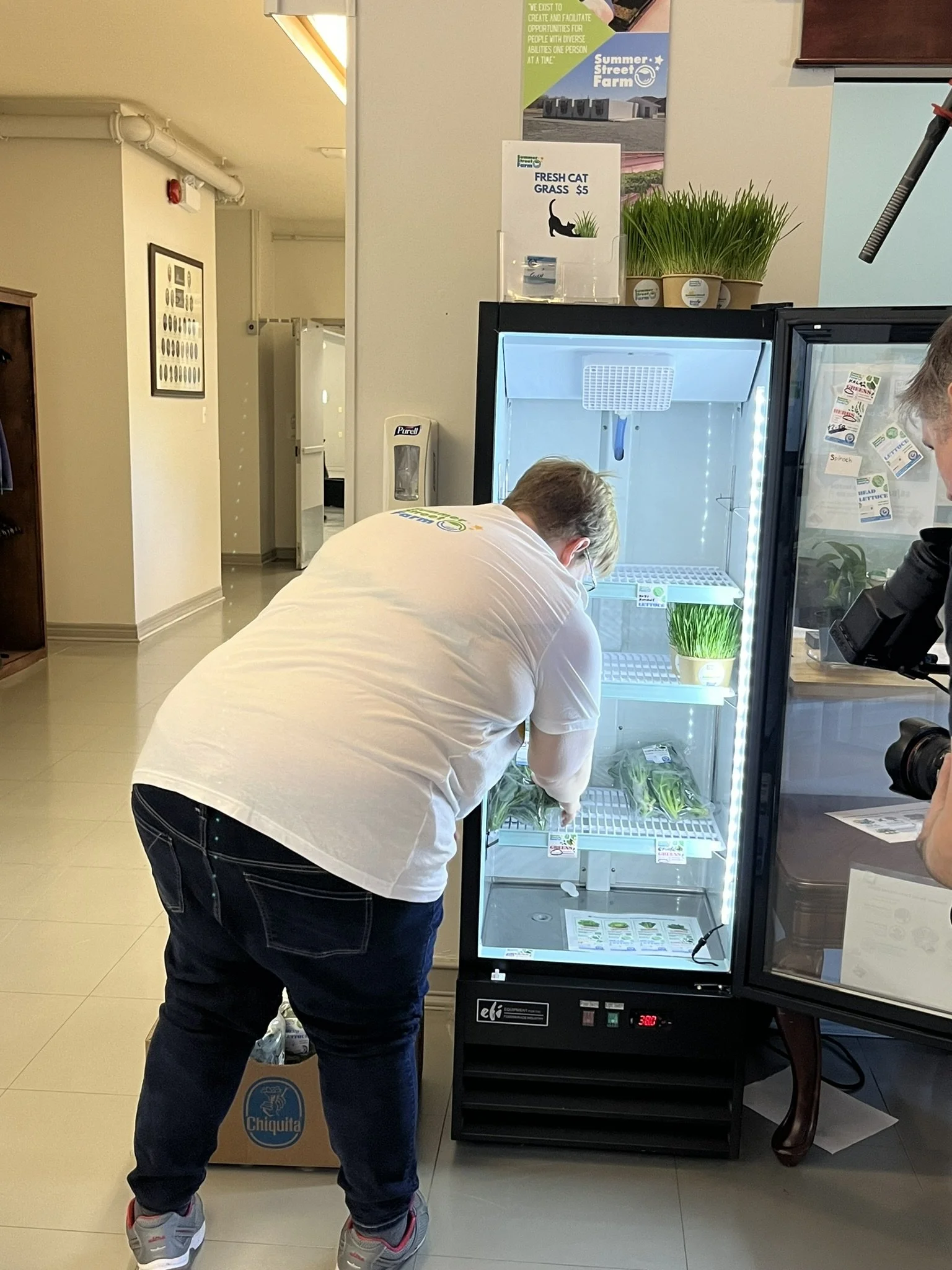
The Summer Street lobby fridge gets stocked with fresh produce weekly by a dedicated participant.
Community Impact
More than 30 per cent of Summer Street Farm's harvest is shared with community organizations and food-security initiatives through its Community Giving Program. The program provides a reliable source of fresh, locally grown greens to people experiencing food insecurity and is supported by corporate sponsorships and community partnerships. Pictou County Food Bank East is one of the key distribution partners, helping the Farm's harvest reach community programs.
The partnership has helped Pictou County Food Bank East provide a consistent supply of fresh greens alongside its other food offerings, giving clients greater access to nutritious, locally grown produce. "With Summer Street initiating their farm here, it's offered fresh greens to our clients, and that's been a big gift," says Douglas Smith, a volunteer at Pictou County Food Bank East.
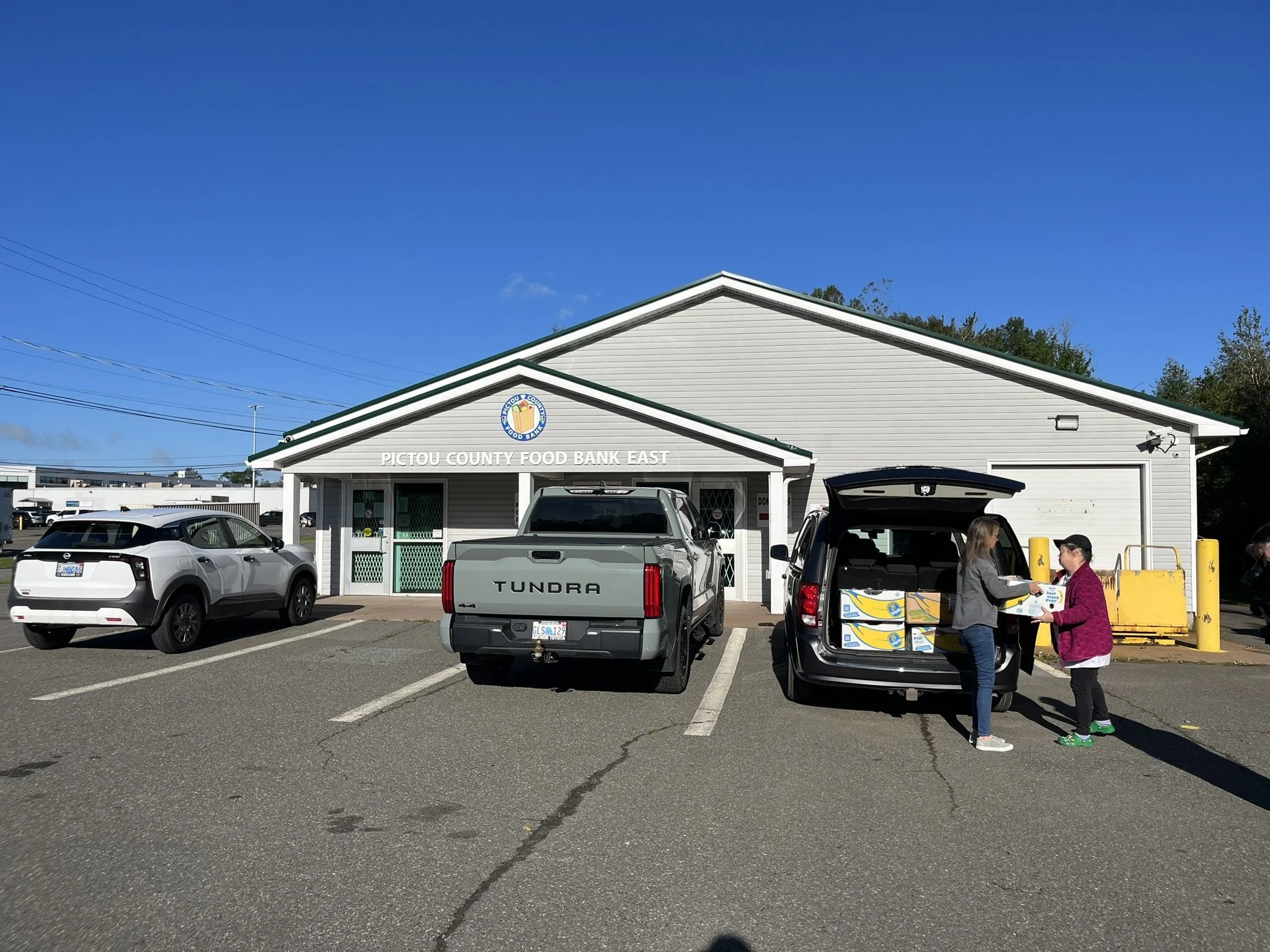
The partnership has helped Pictou County Food Bank East provide a consistent supply of fresh greens alongside its other food offerings, giving clients greater access to nutritious, locally grown produce.
Reaching Local Pantries
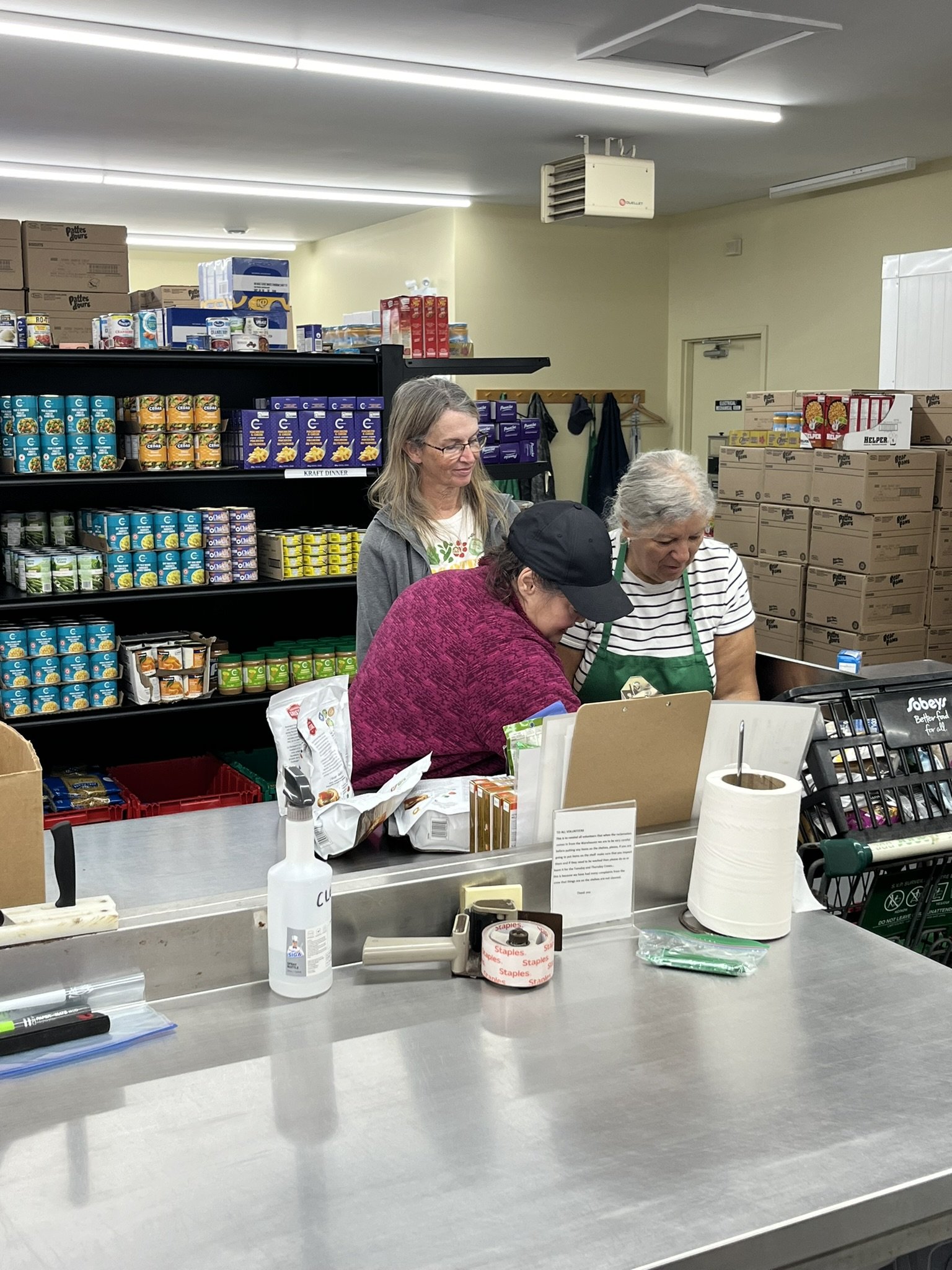
Ronda Rafuse of Humble Harvest, a food rescue organization in Trenton, distributes Summer Street Farm greens to a pantry inside the Trenton library and a private pantry in New Glasgow. Before, the only fresh produce came from grocery store surplus, and it wasn't always fresh. Some pantries in New Glasgow now use the greens in healthy cooking sessions with clients.
"If it doesn't come from a can, that's a big bonus," Rafuse says. “Summer Street has been our saving grace."
In 2026, Summer Street Farm partnered with Nova Scotia Health on a 12-week pilot at the Highland Health Home and Learning Centre in New Glasgow. The initiative provided fresh greens to patients and families, along with recipes and nutritional information, exploring how local food partnerships can help reduce barriers to healthy eating. The pilot demonstrated the potential for collaboration between health care providers and community food producers.
The Farm has attracted significant community interest, welcoming visitors who want to learn more about the technology, the growing process, and the people behind it. To accommodate that interest while protecting production schedules, guided tours are available on Fridays by appointment.
With every harvest, Summer Street Farm continues to deliver on the vision set by its Participant Council: growing fresh food, creating meaningful employment, and giving back to the community. What began as an idea championed by participants is now making a difference well beyond the Farm.