
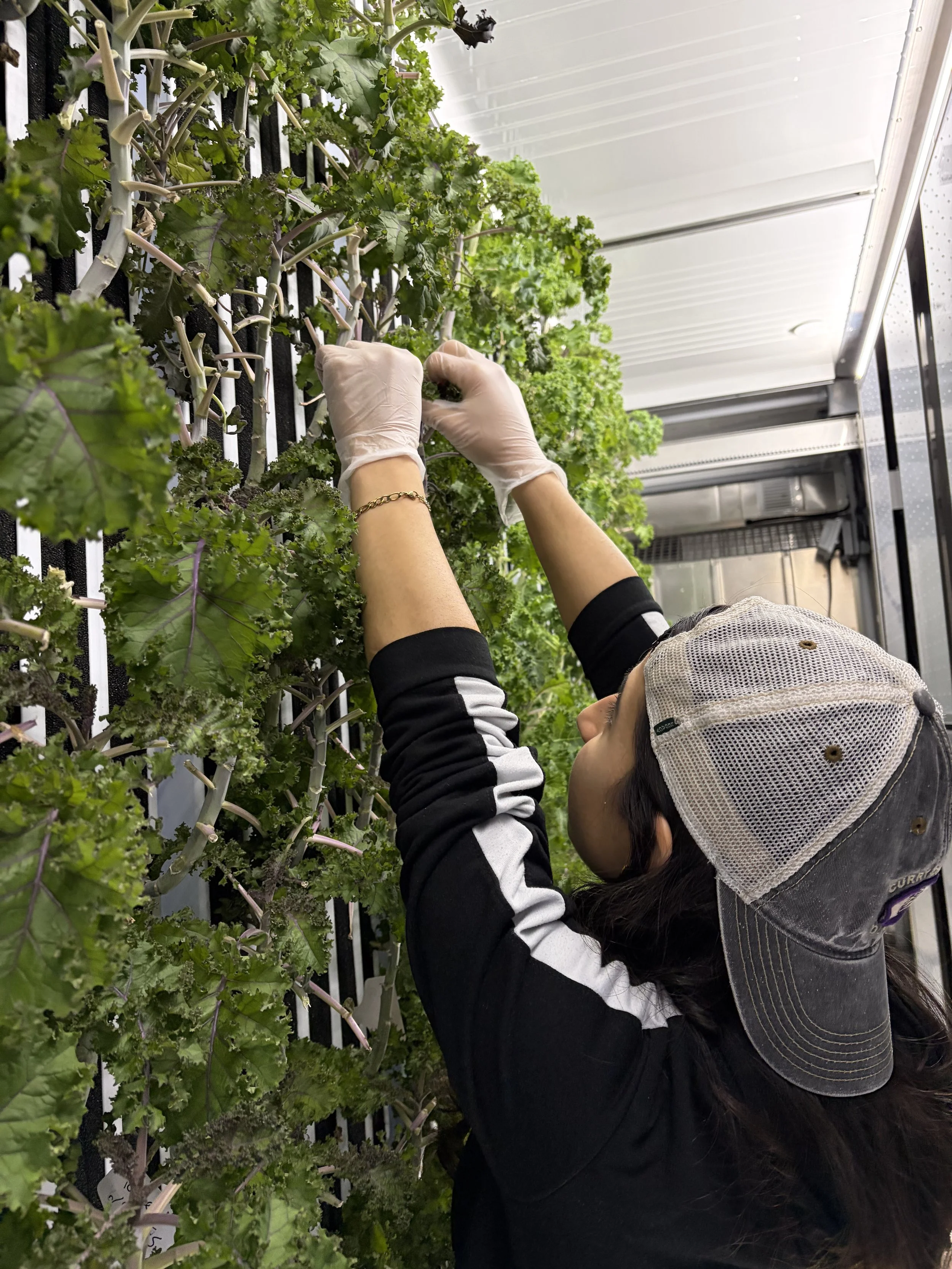
Inside the West End House Boys and Girls Club Freight Farm
Project at a Glance
Launched: March 2026, Allston, Massachusetts
Goal: Bring a reliable source of fresh, locally grown produce into West End House's programs and to the families it serves.
Distribution: Daily snacks and hot dinners for members, take-home produce for youth, and Food for Families distributions every other Saturday to more than 200 families.
Impact: The farm now feeds into Farm School, cooking classes, STEM lessons, arts projects, teen programming, composting, and the organization's biggest fundraising night of the year.
Operator: Reem Bou-Nacklie, urban farm manager
West End House has welcomed young people in Boston since 1906, starting in the West End and opening in the neighborhood of Allston in 1971. Today, the Boys & Girls Club serves 200 to 280 youth a day through its afterschool and summer programs. Reem Bou-Nacklie, urban farm manager at West End House, runs a container farm in the same building where youth eat dinner and families pick up groceries. Her vision is to grow fresh food upstairs and send it downstairs to the families West End House serves.
"Fresh produce is such a great thing to have. If you can show them we grew this up here and now you can take it downstairs, that always is so great to have a conversation with them about it,"
- West End House urban farm manager, Reem Bou-Nacklie,
Opportunity: A Visit to Metro South
West End House serves youth ages seven to 18, with an alumni program that supports young adults into their mid-20s. It also serves the wider Allston community. Every other Saturday, its Food for Families program provides free bags of groceries to families in need.
The farm began with a field trip. CEO Andrea Howard, Senior Director of Nutrition Lisa Smith, and Chief Operating Officer Kristin Rhuda visited Boys & Girls Clubs of Metro South and toured its Freight Farm. They came back convinced West End House needed one, too.
“We were looking at ways to provide a consistent, reliable fresh source of healthy produce for our families because that was the one challenging thing to get from the food bank. I had heard about the Boys and Girls Club in Albany and Boys & Girls Clubs of Metro South successfully integrating hydroponic farming into their program, so we went to check it out. We did in fact, get immediately excited and I said let’s do this,” Howard says.
Planning for what's ahead
Timing mattered. SNAP benefits were facing cuts, and leadership saw a farm as a resource families would need in the years to come.
Funding came from Takeda, a major supporter of West End House, and a Massachusetts state grant. Permitting took time, and when the farm arrived in November 2025, Boston's winter paused setup until spring. West End House kept the project moving through regular meetings with Takeda, city council, and the city's permitting department.
Solution: A Farm Through the Wall
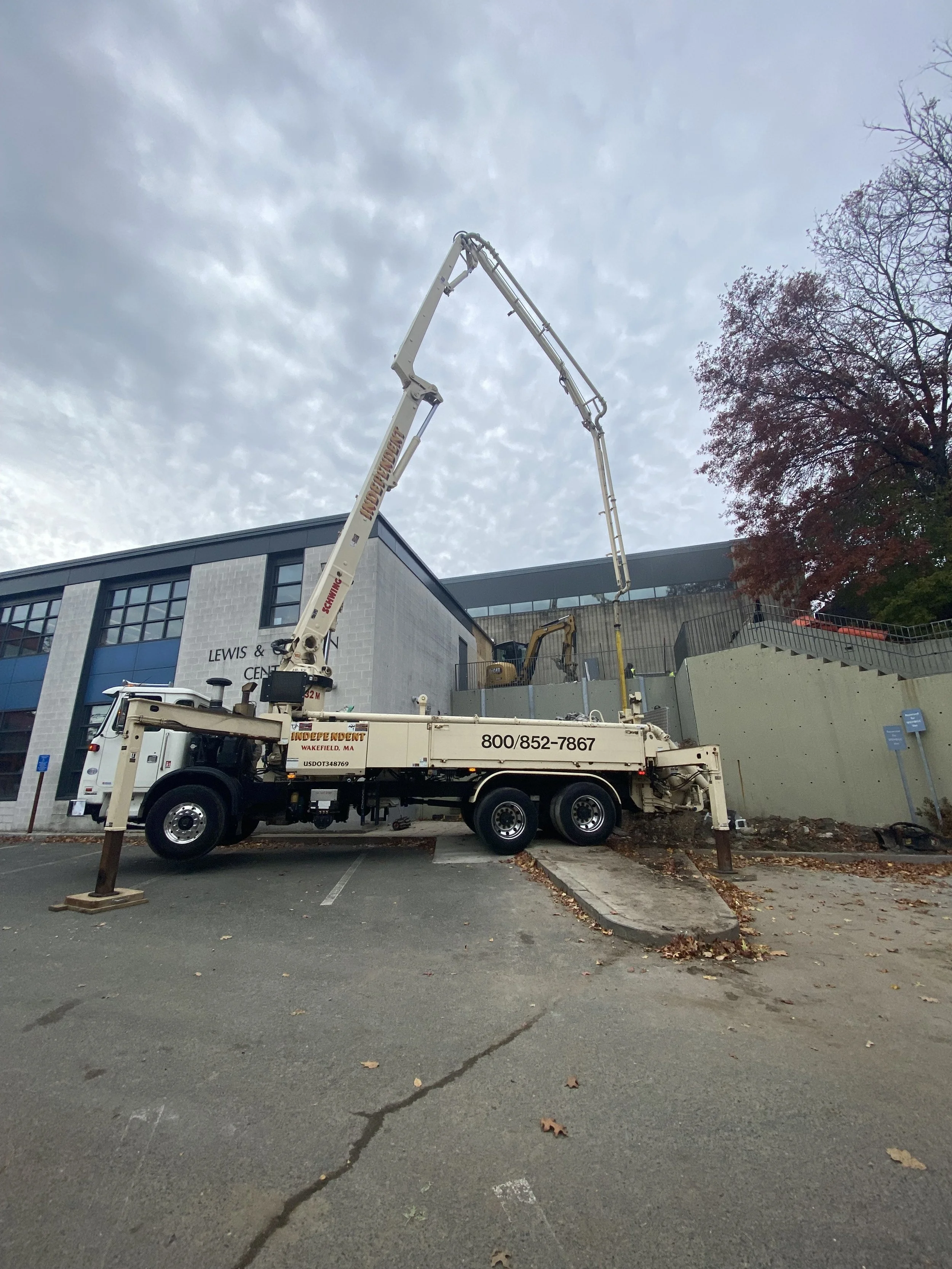
Unusual installation: The farm's front door opens inside the West End House building, and the rest of the container extends outside through an opening cut in the wall
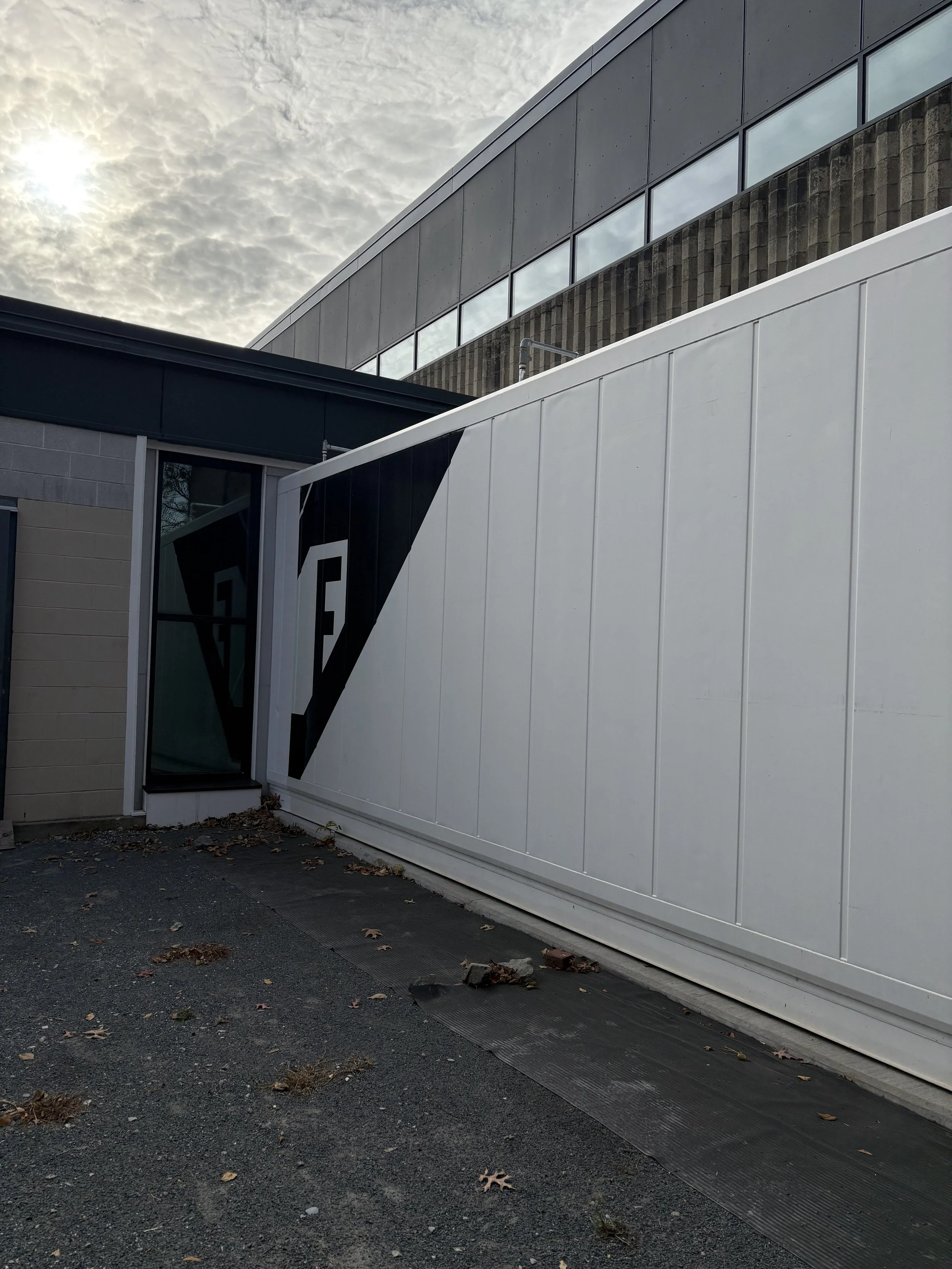
The Freight Farm fully installed, half inside and half outside
West End House hired Bou-Nacklie in September 2024. She grew up surrounded by farms in Vermont and earned undergraduate and master's degrees in nutrition and food science, with a concentration in food ethics, from the University of Vermont. She had worked on soil farms before. Hydroponics was new.
Her team gave her room to learn, and before the farm arrived, Bou-Nacklie got all the training she needed to run it. In March 2026, after the site preparation and installation of the farm, the Growcer team came in person to commission the farm for its first seeds. It was fully operational that month.
"The Freight Farm is awesome because you don't really need any experience with it. I had some experience in soil agriculture, but you don't really need anything. You just need a willingness to learn and to really have patience in the beginning to get it going," Bou-Nacklie says.
An indoor-outdoor install
The installation is unusual. The farm's front door opens inside the West End House building, and the rest of the container extends outside through an opening cut in the wall. Staff and youth walk in without going outdoors, and fewer bugs follow them in.
What it takes to run
Bou-Nacklie is full-time, but the farm doesn't take her whole week. Cleaning, maintenance, and bagging produce take about 40 per cent of her time. The rest goes to admin and to programming once youth arrive in the afternoon. Volunteers help with Food for Families distributions, and Farm School participants help seed and harvest.
Expanding the Mission: Always Another Idea
At West End House, the farm keeps finding its way into new programs. Bou-Nacklie and Smith lead the effort together.
Smith works farm produce into the daily snack and hot dinner every member receives. At family nights, it shows up as salads, basil pesto, and sautéed Swiss chard and mustard greens.
Bou-Nacklie meets with the arts director and the teen programming lead to find new connections. Scallions from the farm become scallion pancakes in cooking class. Thai basil becomes basil salt. With the arts program, youth are making candles and tea bags from what they've grown.
"So it's really, it's so many different connections that are happening throughout the organization," Bou-Nacklie says.
Farm School
Farm School started in the spring with two groups, ages seven and eight and ages nine and 10. Youth helped seed, learned how the farm works, and talked about the environment, farming, and local food. The red and blue LED lights were an instant hit, and a lesson on how plants use light followed.
The program now runs twice a week for 90 minutes for ages 11 and up. Returning youth follow their crops from seed to harvest and take some home. Teens ages 13 to 18 go further: they help mix nutrients, run their own experiments, and see their food grow in real time.
The farm has also grown into STEM lessons, a composting program, and field trips, including a visit to a rooftop garden at Boston Medical Center.
Community Impact
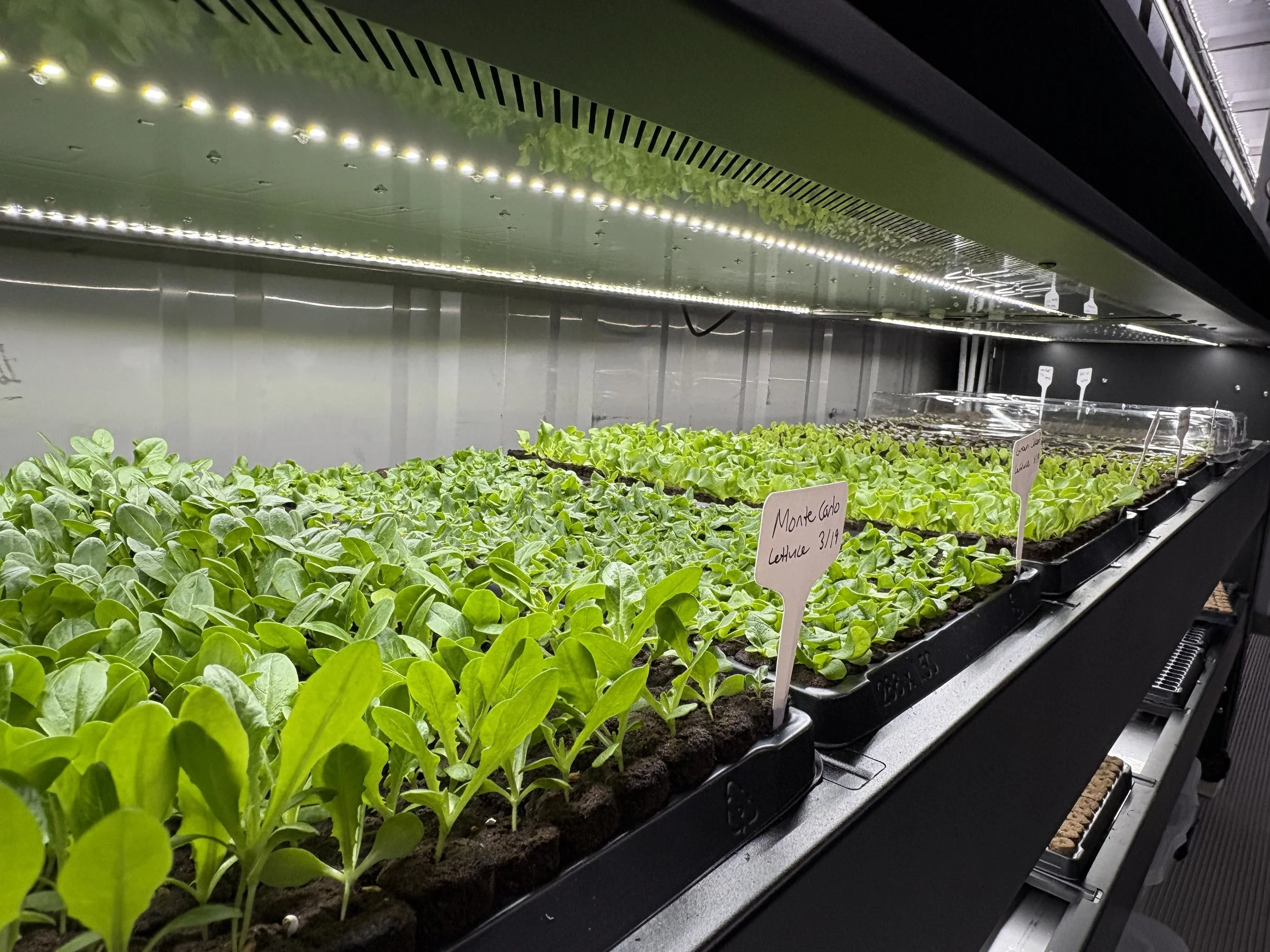
Monte Carlo Lettuce growing in the Freight Farm
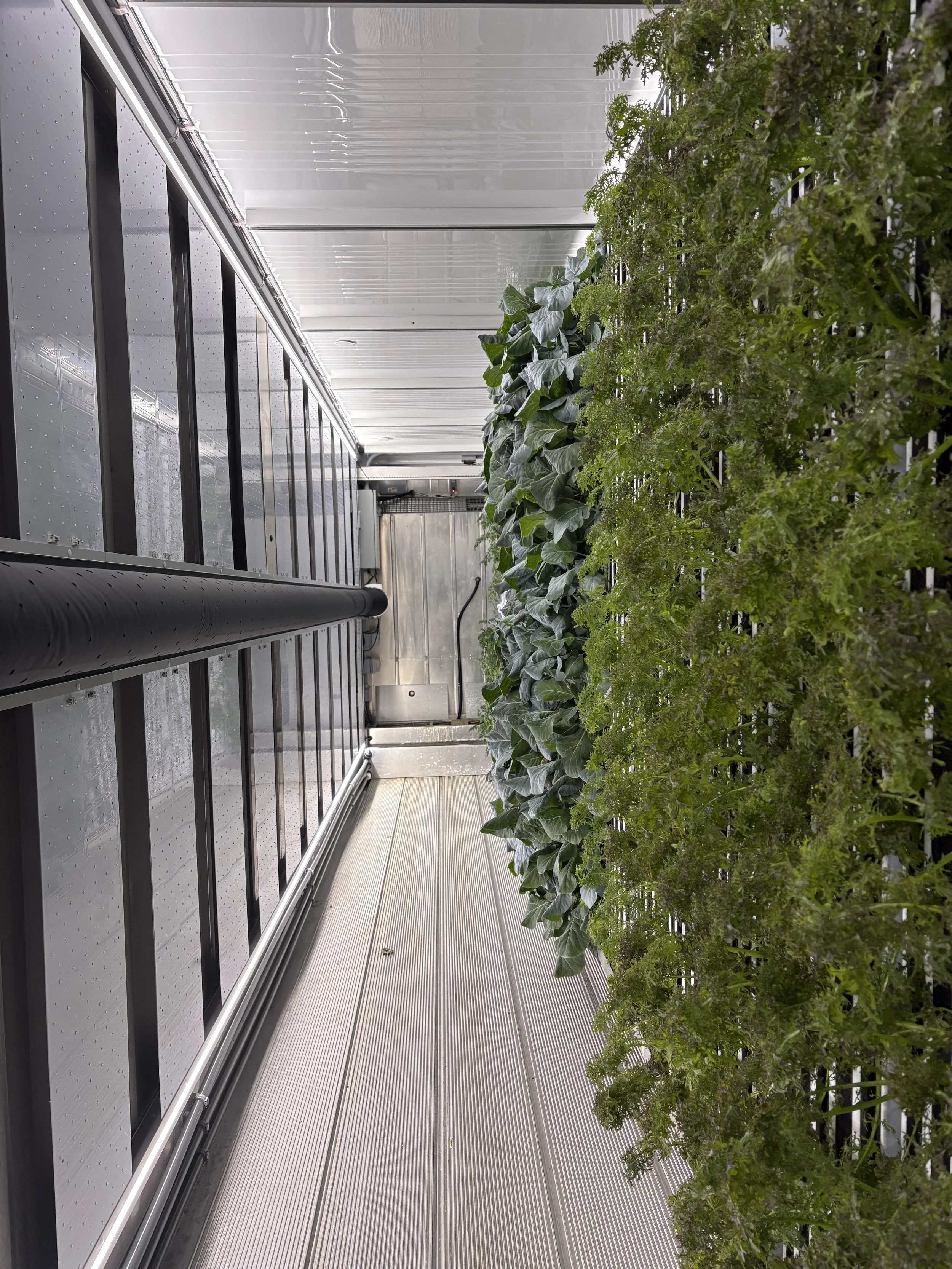
Inside the farm
The farm has given West End House new ways to bring families into its work. Produce grown upstairs now goes into Food for Families bags alongside goods from the Greater Boston Food Bank. Many families are surprised to learn it was grown in the building, and farm tours have become a regular way to start that conversation.
Youth take produce home to show their parents and guardians. Some compare it to the windowsill gardens they keep at home, noticing how it tastes, how fast it grows, and how it looks. A parent survey is now gathering input on culturally relevant crops families would like to see grown.
The biggest night of the year
Early in the farm's first season, West End House hosted West End House Presents, its biggest fundraising night of the year. On May 6, 2026, more than 300 guests came through the club. Bou-Nacklie and Smith harvested enough lettuce from the farm to serve every one of them.
Board members who helped secure the project's funding saw it on their plates. So did donors, community members, and alumni who attended West End House as far back as the 1970s and '80s. Two of Bou-Nacklie's young farm helpers, ages 11 and 13, spent the evening telling guests about the farm.
"They were in there also having conversations with all of these different adults, which can be so daunting, but they did such a great job with it, and their passion for the project was really shining through," Bou-Nacklie says.
For organizations considering a farm of their own, Bou-Nacklie suggests starting with a visit to a working farm and trying a harvest, even for an hour.
"So I would encourage people to learn more and to, if you can get the funding, just try it out. It can be a massive undertaking, but I think it pays off to have this," Bou-Nacklie says.
At West End House, the next ideas are already taking shape, and the parent survey will help decide what grows next.