

Live online | Hunger Action Month
What Changes When You Can Grow Your Own Fresh Food
Wednesday, September 23, 2026 | 2 p.m. ET
Can’t make it live? Register anyway and we’ll send you the recording.

Most organizations don’t stall on whether local food production is a good idea. They stall on the first step.
Organizations on the front line are seeing the scope of the hunger crisis up close, and it keeps growing. More families relying on food banks. More students who need a school meal to get through the day. More people walking into shelters that were already at capacity.
Fresh food is the hardest part of that to solve: it's the most expensive to source, the quality is whatever the supply chain hands you, and a painful share of it spoils before it reaches anyone.
What You’ll Learn
Practical answers from people who have already made the case internally, found the funding, and grown their first harvest.
The step-by-step path our panelists took, from first conversation to first harvest
What comes back: cost per pound, shelf life, volume, and what disappears from your spoilage numbers
How our panelists made the case internally, in numbers a board, council, or superintendent responds to
The funding avenues open right now, and what strong applications include
Who runs it day to day when nobody on staff is a farmer
Live Q&A
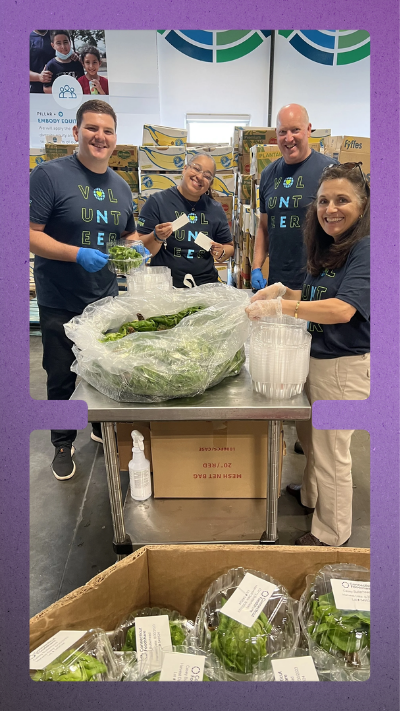
Hear from the People Who've Done It
Your Presenters
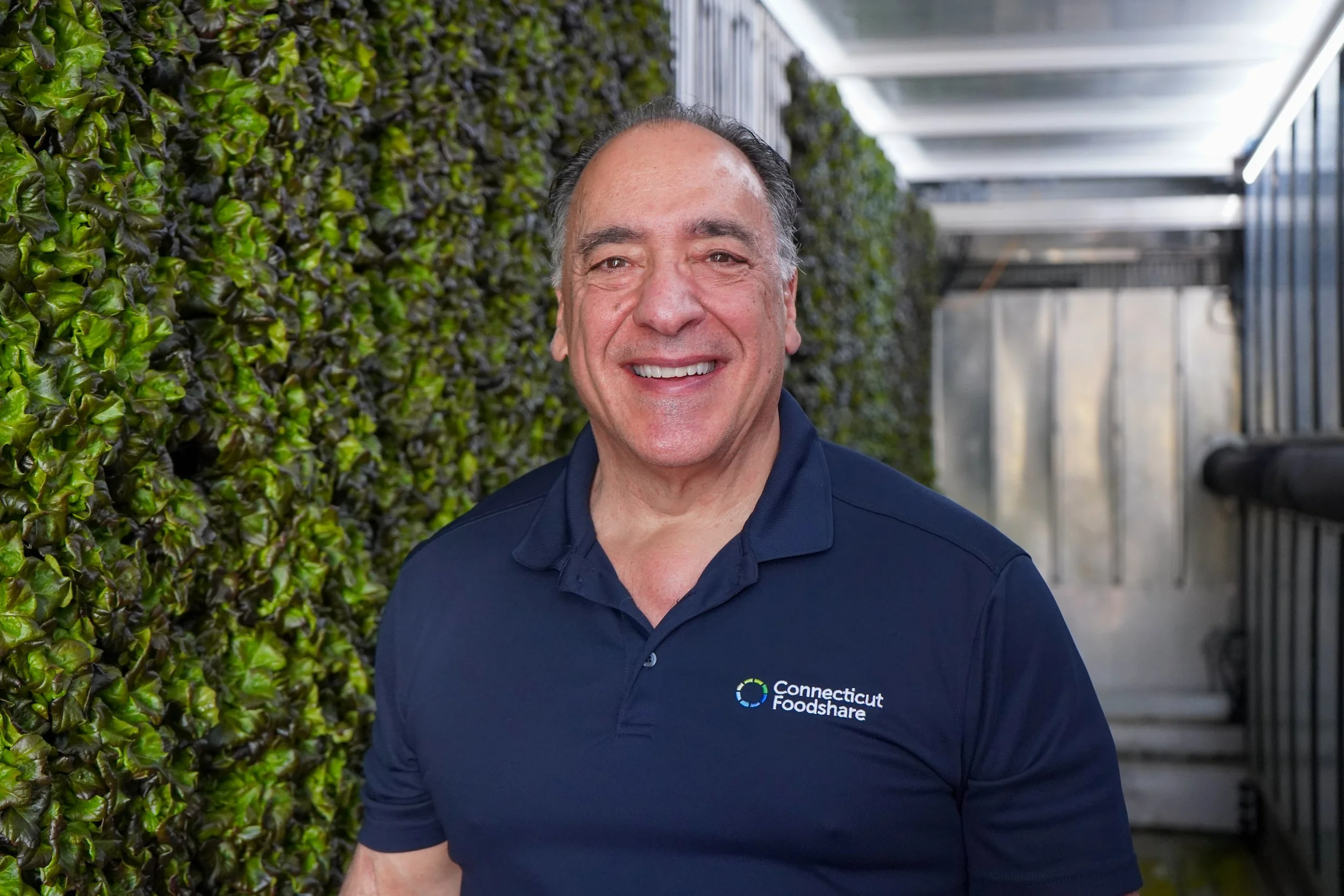
Dom Piccini
Director of Agricultural Programs, Connecticut Foodshare
Dom Piccini is Director of Agriculture Programs at CT Foodshare, where he has spent over 14 years advancing sustainable and impactful agricultural initiatives across Connecticut. He oversees partnerships with 90 local farms, facilitating the distribution of approximately 1.2 million pounds of fresh, locally grown produce annually to communities in need, and manages funding for the Local Food Purchase Assistance (LFPA) program in partnership with the USDA and the Connecticut Department of Agriculture. Dom also manages two Freight Farm units located at the CT Foodshare facility in Wallingford, which currently grow over 20,000 plants, including mustard greens, collards, arugula, kale, Oakleaf lettuce, bok choi, romaine, and sweet crisp; under his leadership, these units have produced nearly 130,000 harvested plants in just 18 months, contributing to the organization's innovative approaches to food production and distribution.

Evelyn Cerda
VP, Impact and Partnerships, Regina Food Bank
Evelyn currently serves as Vice President, Impact and Partnerships at the Regina Food Bank, where she leads strategic partnerships, community engagement, major fundraising initiatives, and innovations projects focused on strengthening food security and community impact.
She played a key role in building partnerships across Saskatchewan’s agriculture and food sectors, including multi-year Farm2FoodBank initiatives, product development, food production, and food transformation projects.
Evelyn championed Regina Food Bank’s local food project from first pitch through to operation. She’ll share how she made the case internally, the funding path they took, and what the project looks like today.
"With the [produce] that's coming out of the farms, we've done shelf life studies. In our containers, in our controlled environment, we can get three to four weeks, and there's no degradation to it whatsoever."
— Dom Piccini, Connecticut Foodshare
“During our winter months and being in Saskatchewan, our winters can last very long, and [Growcer] provided us with a solution for growing our own produce during those months where it’s tough to get fresh produce in Regina. So we decided we’re going to grow our own lettuce and make sure we have a consistent source of fresh produce that is highly nutritious. So our clients don’t have to always have canned products during those months.”
— Evelyn Cerda, Regina Food Bank
How Communities Like Yours Got Started
And knowing it’s possible for yours too.
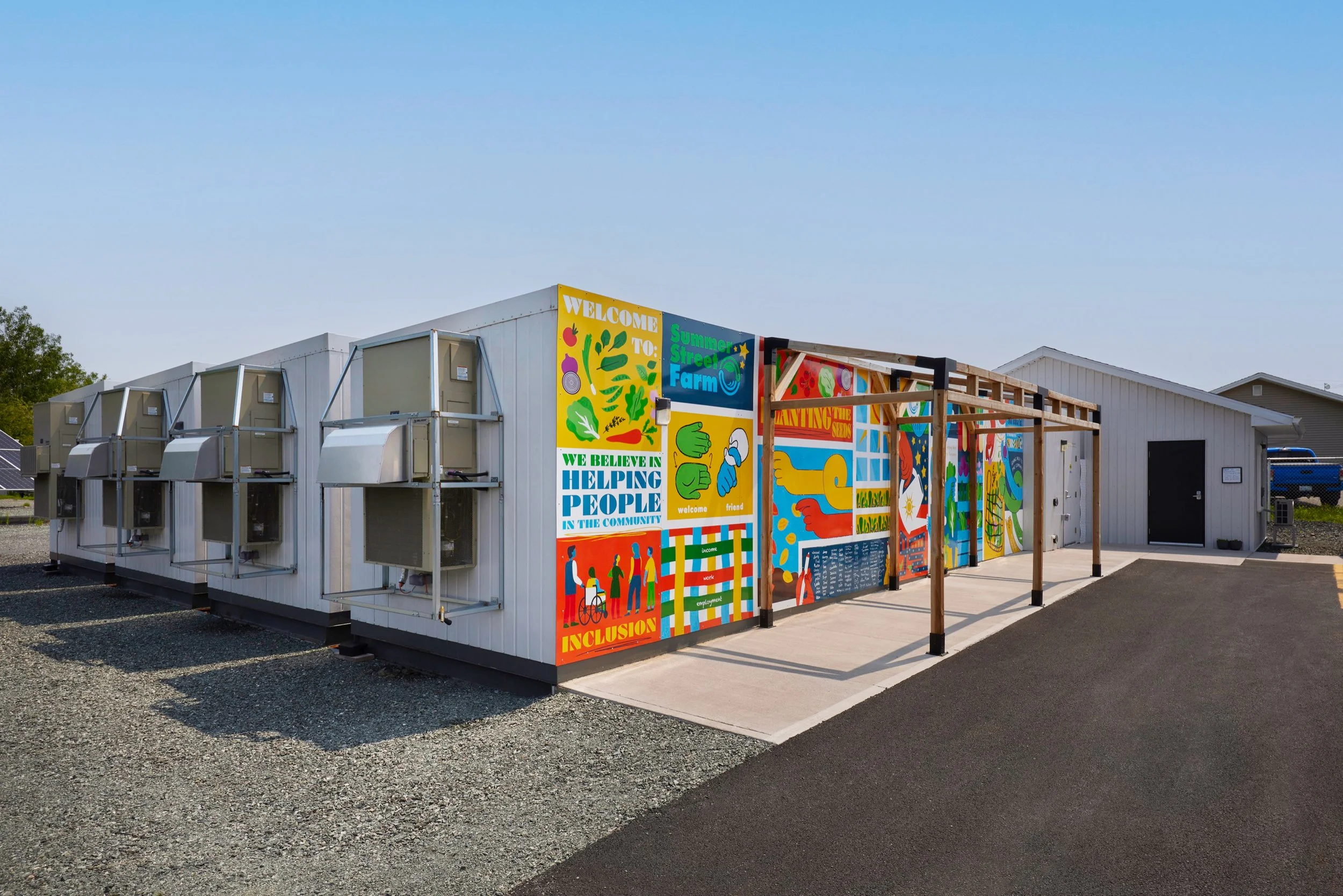
Summer Street Farm
Food security and training | Nova Scotia
Atlantic Canada Opportunities Agency · Provincial grants · Summer Street Foundation · Community donations
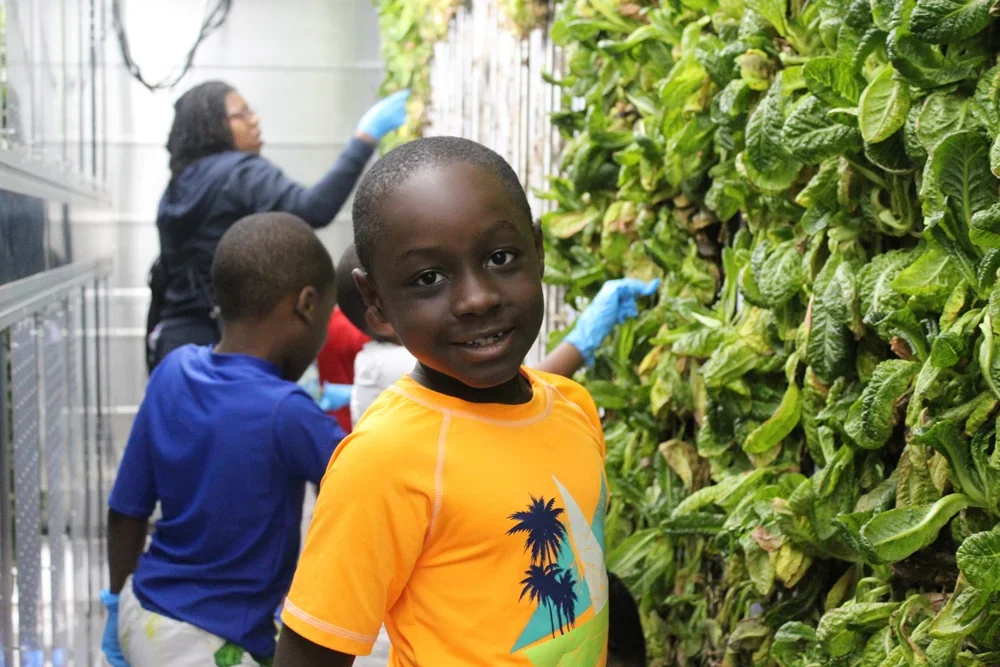
Boys & Girls Clubs of Metro South
Youth development | Massachusetts
State Food Security Infrastructure Grant · Health system grant · Private donations
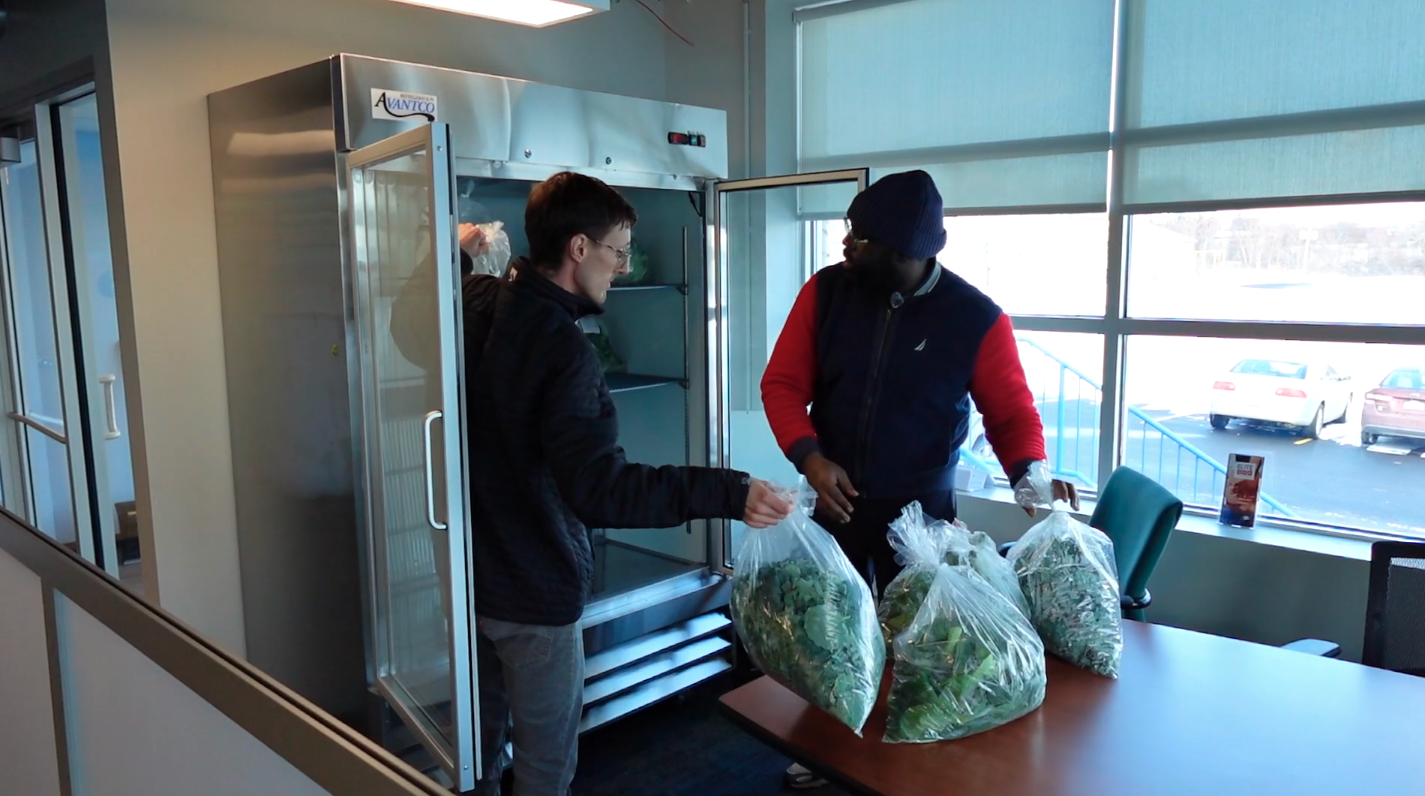
Volunteers of America Upstate
Food security and workforce development programs | New York
ARPA grant · Community donations · County donation
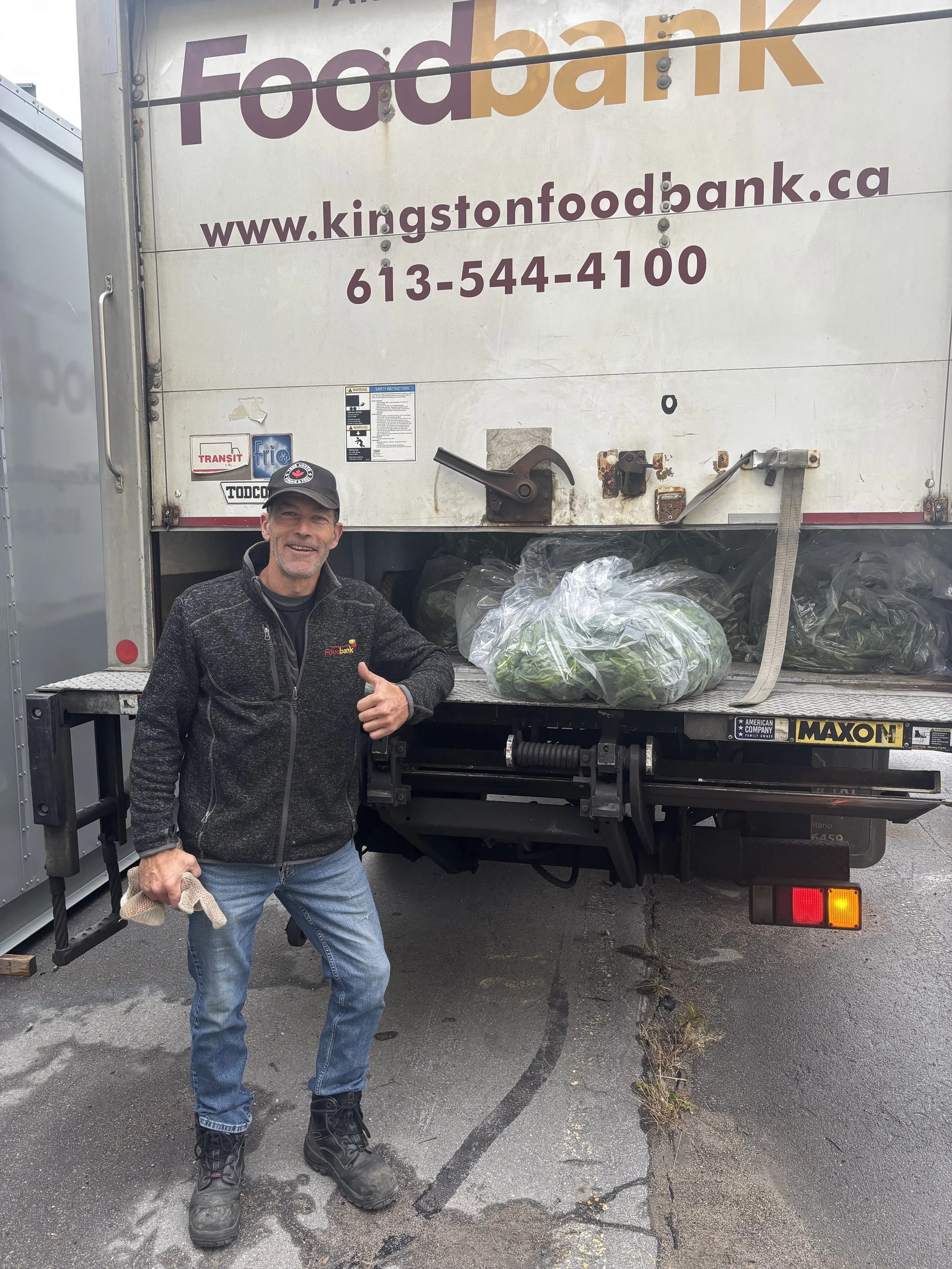
City of Kingston
Food Security | Ontario
Revenue from parking fines · RBC · Growcer Fund’s Farm-as-a-Service
Get Growcer’s Funding Mobilization Team Behind Your Project
Help Us Help You
Funding is the biggest barrier for most community food projects, and it's the one we're built to help with. Tell us your vision, and our funding mobilization team will help you find the grants, foundations, and programs that fit, and reach out when new opportunities land on our radar.
$12M +
Secured for local food infrastructure projects
50-70%
Success Rate
Industry average 10-15%
4x
More likely to get approved