

Your riding
could be next.
Communities across Canada are building permanent food infrastructure that creates jobs, strengthens health, and puts food sovereignty in local hands.
Canada treats roads as
critical infrastructure.
Food should be the same.
We are in a food security crisis - increased demands for food banks, rising grocery prices, a fragile system built on centralization and imports.
Canada treats roads, water systems, and electrical grids as critical infrastructure. Food production deserves the same recognition.
The most significant cost is not the investment required to start. It is the ongoing price of waiting.
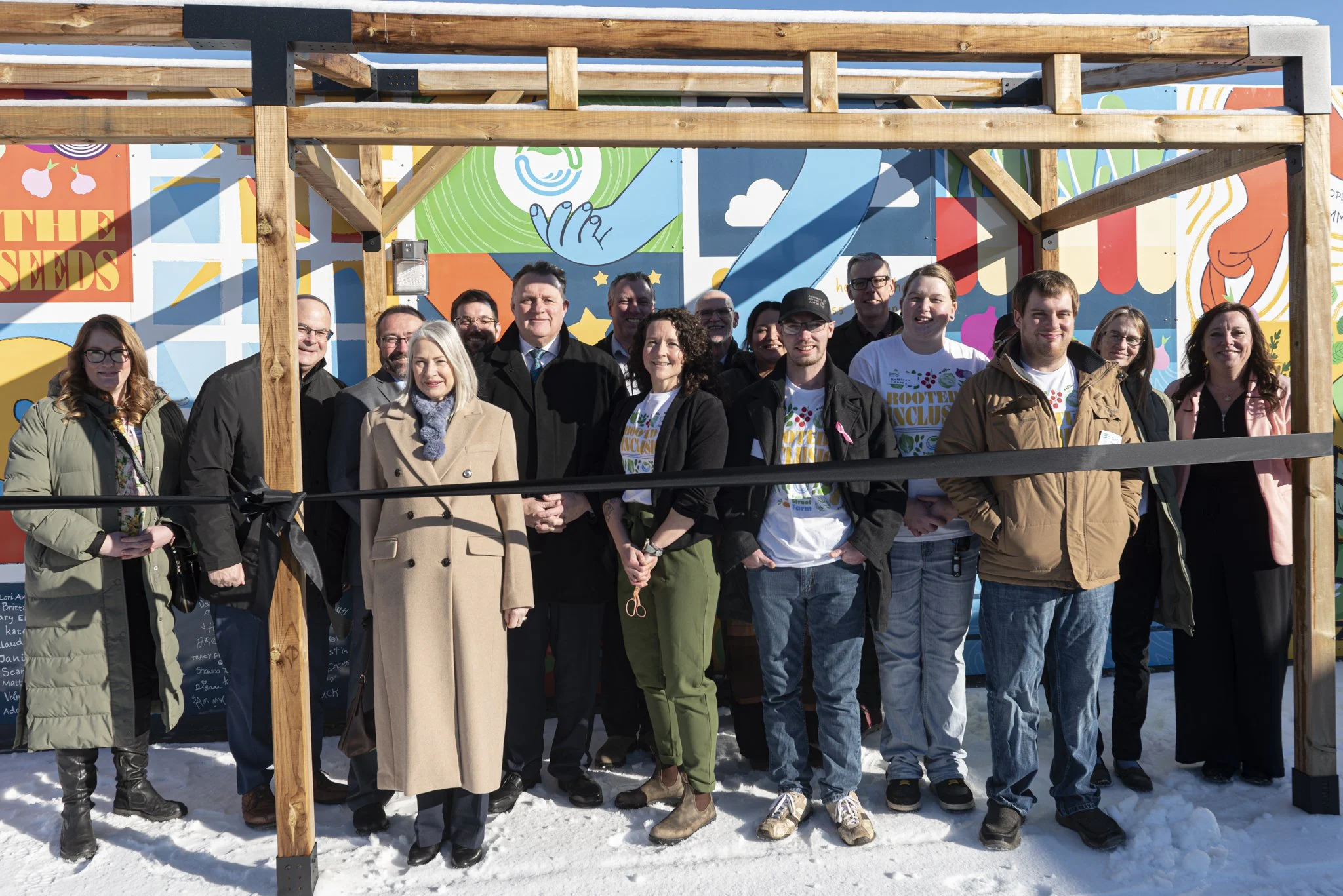

Ways to Make a Difference in Your Riding
You know your community. Here's how to put that knowledge to work.
Make an Introduction
You know which organizations have the capacity to lead, a food bank, a school board, an Indigenous community. One introduction is all it takes. When one strong organization builds this, every partner around them benefits.
Identify Co-Funding Partners
Every deployment matches a donation with local funders. Introduce us to community foundations, corporate sponsors, or regional funders in your riding. Connect us, and we'll do the rest.
Champion Food Infrastructure
Communities are ready to grow their own food. Policy can either unlock that or hold it back. Here are the specific steps that would make the biggest difference.
Policy actions that would move the needle:
Make the Local Food Infrastructure Fund permanent and ensure food infrastructure remains an eligible expense.
Ensure the greenhouse tax credit includes vertical farms and modular CEA, they deploy where greenhouses cannot, including the Arctic.
Advocate for pre-certified structures (CSA A277) to proceed without specific building permits, requirements already met by the inspection.
Remove zoning restrictions on urban agriculture, permit these uses on every zoning type in every municipality in Canada.
Allow schools to use School Food Infrastructure Fund dollars to grow food on-site, it costs less than imported produce.
Your riding could be next.
One conversation could change everything for your community. Let's talk about what food infrastructure looks like in your riding.
What It Looks Like
Real communities.
Real results.
Ottawa Mission
Ottawa, ON
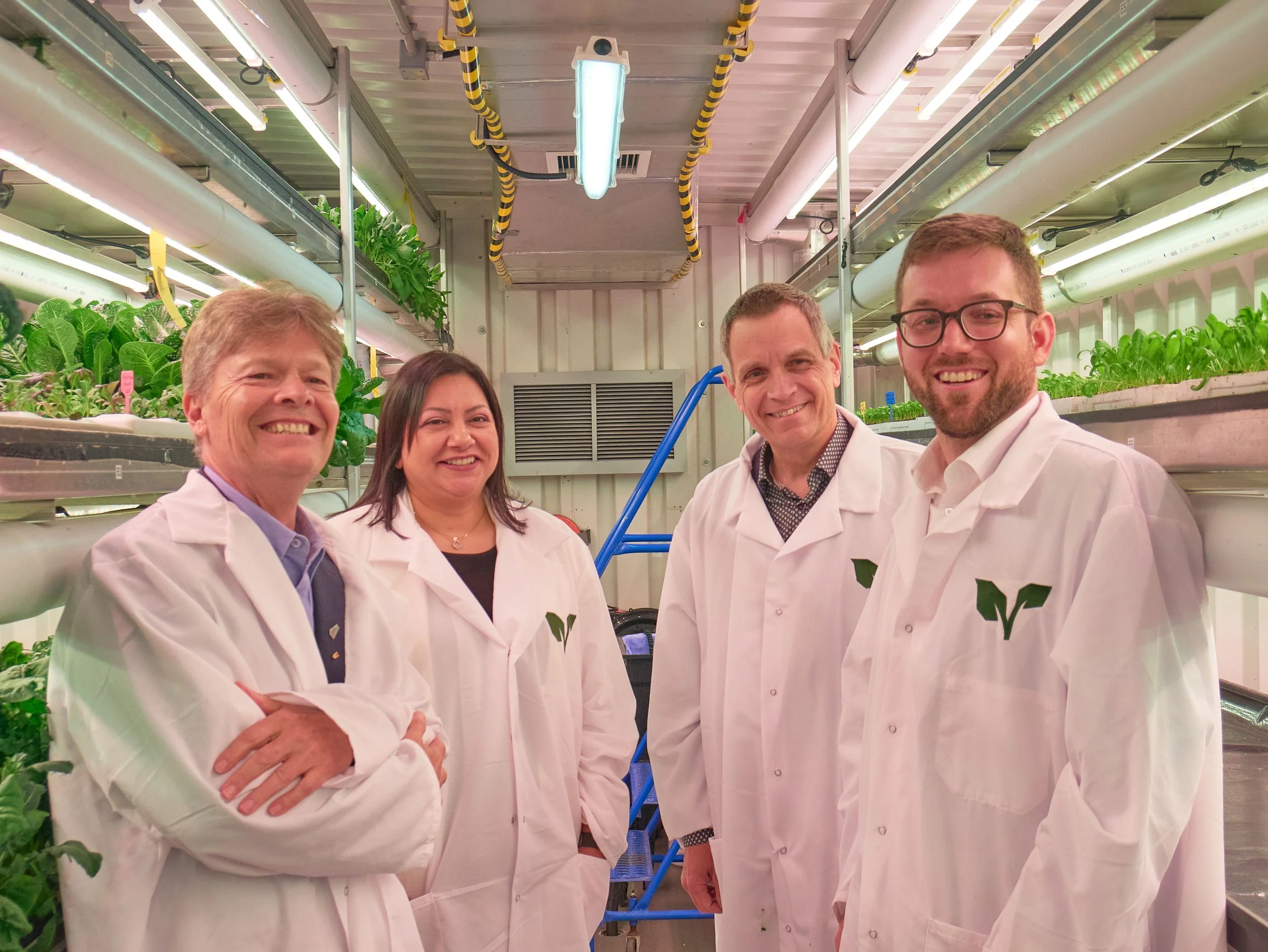
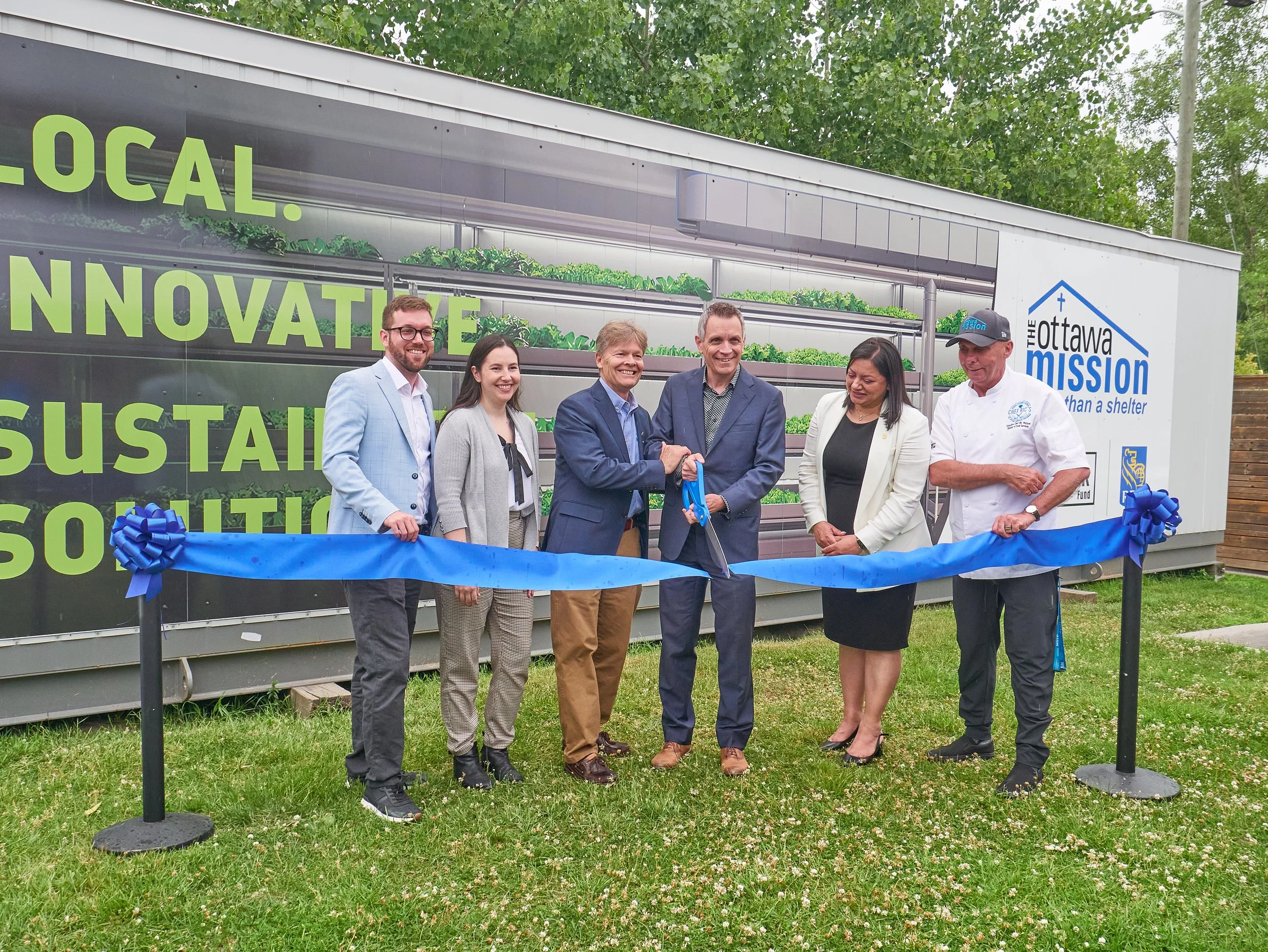
Two modular farms growing up to 20,000 pounds of fresh greens per year for one of Ottawa's largest shelters and community food programs. Funded in partnership with RBC. Covered by CBC, CTV, and Greenhouse Canada.
Summer Street:
New Glasgow, NS
Canada’s largest fully accessible hydroponic farm. People of all abilities growing food for their community, creating employment, and proving that inclusion and food sovereignty go hand in hand. Featured by CBC.
‘Namgis Business Development Corp:
Alert Bay, BC
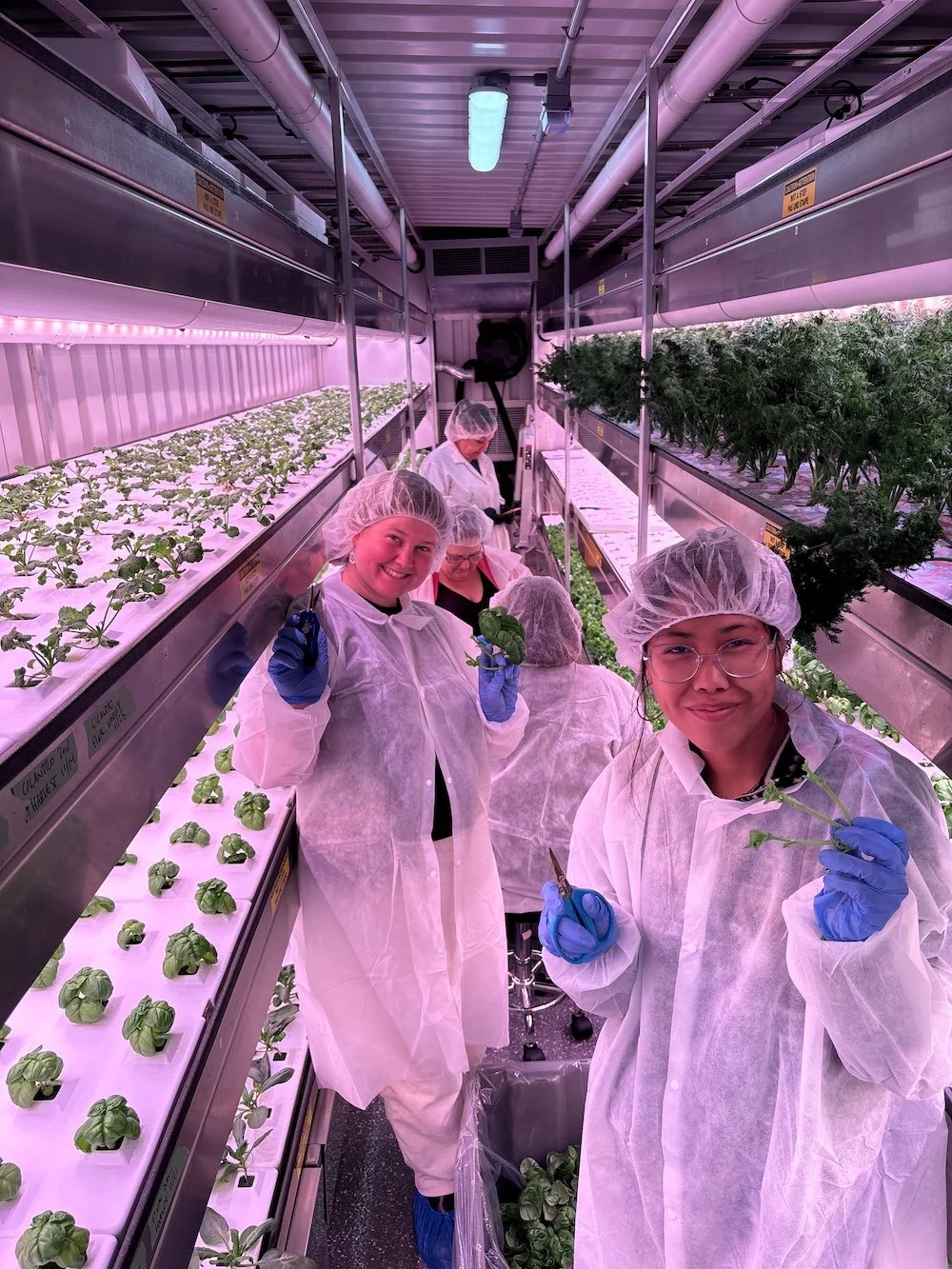
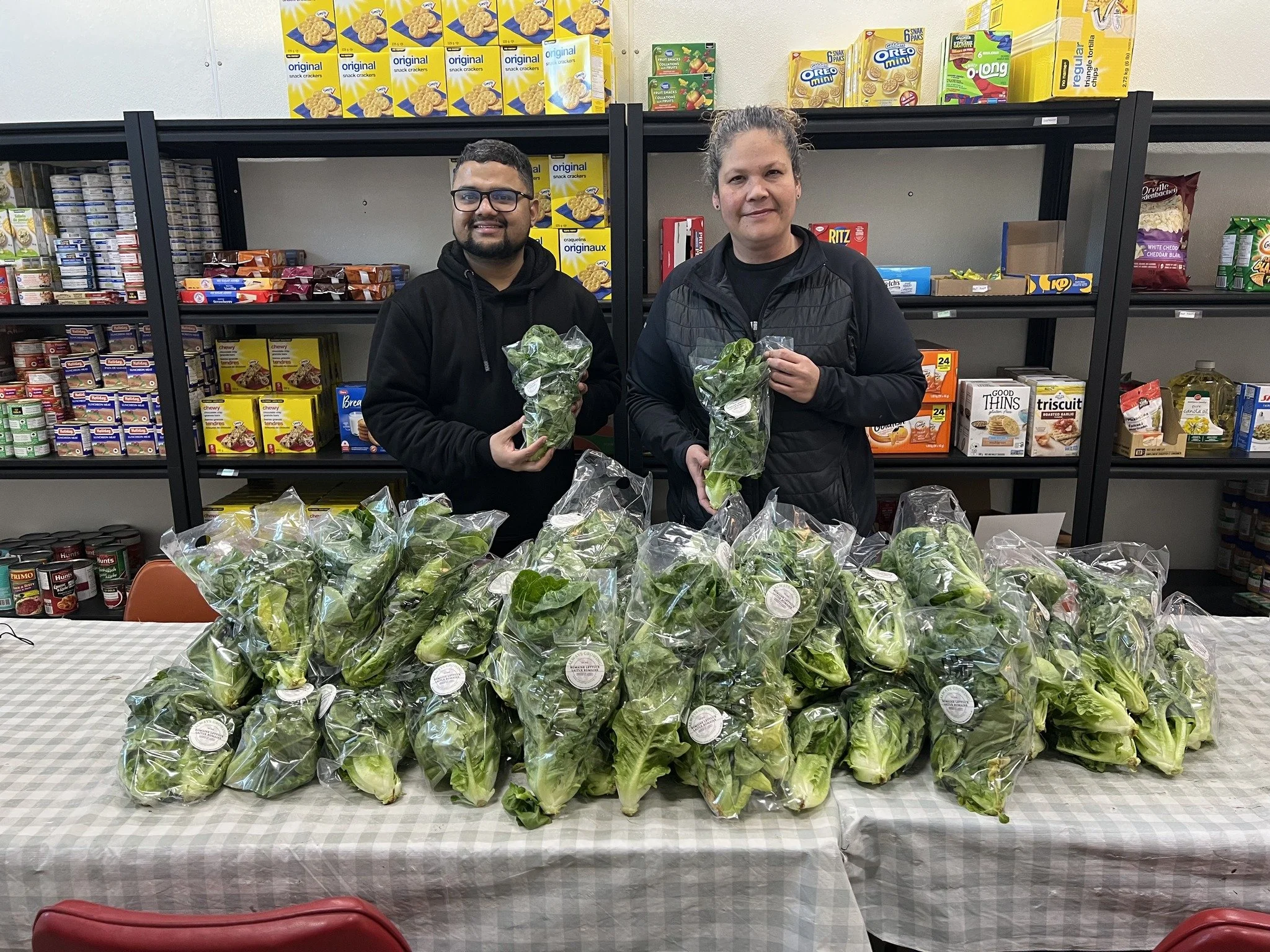
Indigenous food sovereignty on a remote island. Fresh produce used to arrive by ferry from Vancouver, wilted and expensive. Now the community grows its own, year-round. New jobs. Rootcamp training that brought members from eight First Nations together. Friday harvests that have people smiling at the door.
Churchill Northern Studies Centre
Churchill, MB
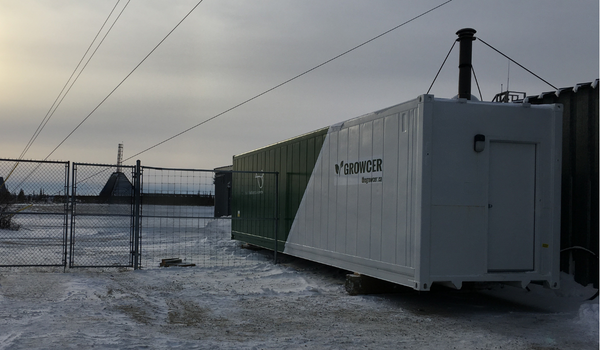
Food production in the Arctic. Proving that fresh greens can grow where polar bears roam and temperatures hit -50°C. Featured by CBC and Greenhouse Canada.
High Prairie School Division
High Prairie, AB
Rural schools growing food for their community. Students learning agriculture, nutrition, and food systems hands-on while supplying fresh greens to families where the nearest grocery store is an hour away. Read their story.
In Their Words
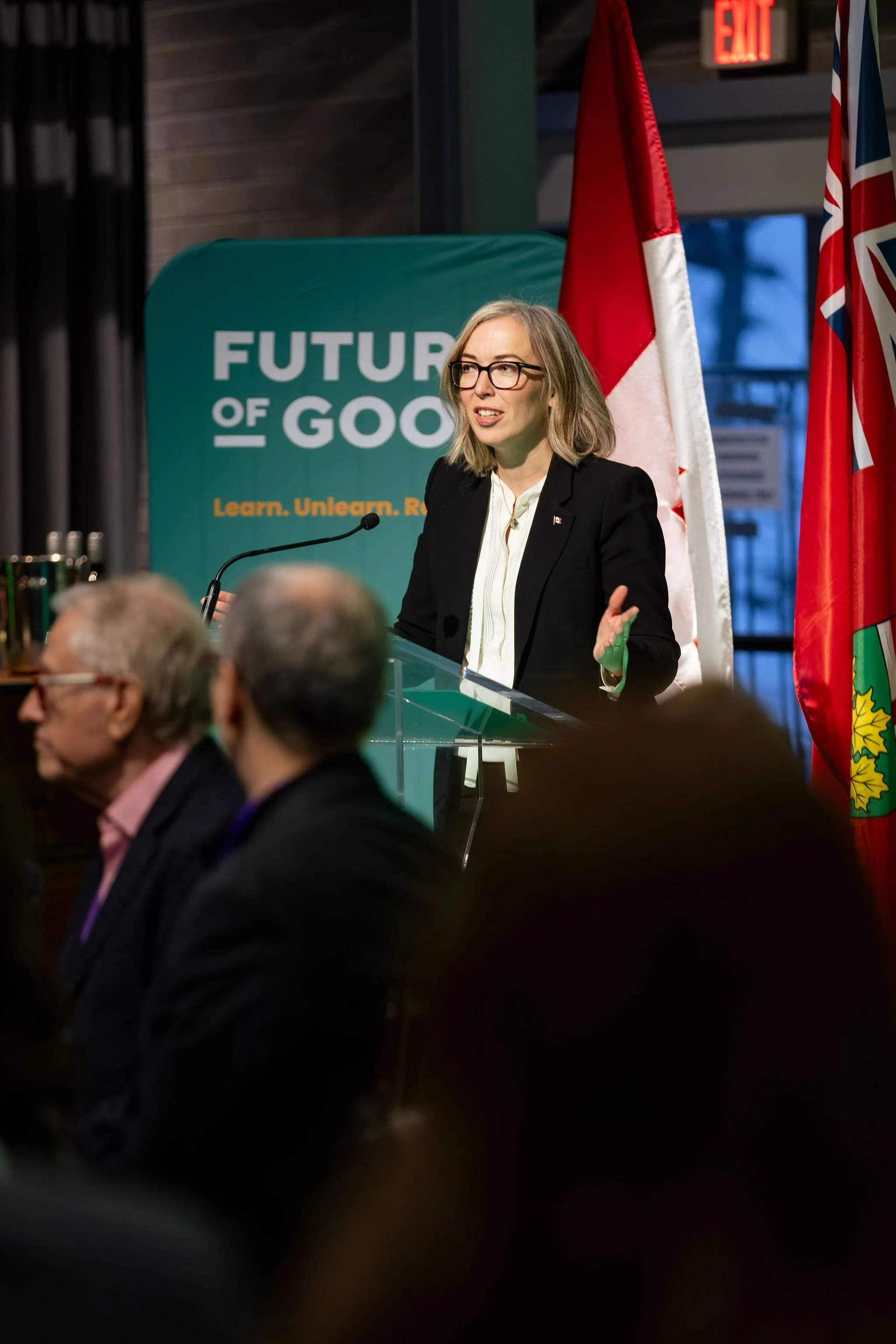
“Food insecurity is rising, it’s rising in a community like my own, one of the most prosperous ridings in the country…it’s an issue right now that crosses demographics: it is young people, it is seniors on fixed income, it is new Canadians, it is young families, it is lone-parent families. It is everywhere.”
- Leslie Church, Member of Parliament, Toronto—St. Paul's
“We get a lot of non-perishables. The fresh produce we do get during the summer and fall seasons, a lot of the time we can only rescue a certain percentage of it. So it’s not like we always have an abundance of produce, but with this project we’re going to be able to grow our own and have a consistent source of greens and whatever else we can grow.”
- Evelyn Cerda, Interim CEO, Regina Food Bank
“One thousand communities. Growing their own food. Feeding their own people. Training their own young people. Building their own local economies. We've engaged with over 300 communities. The next 100 have already committed in principle to getting to work. We're ready. Can we get there? Better question: can we afford not to?”
- Corey Ellis, CEO and co-founder, Growcer
The Globe and Mail
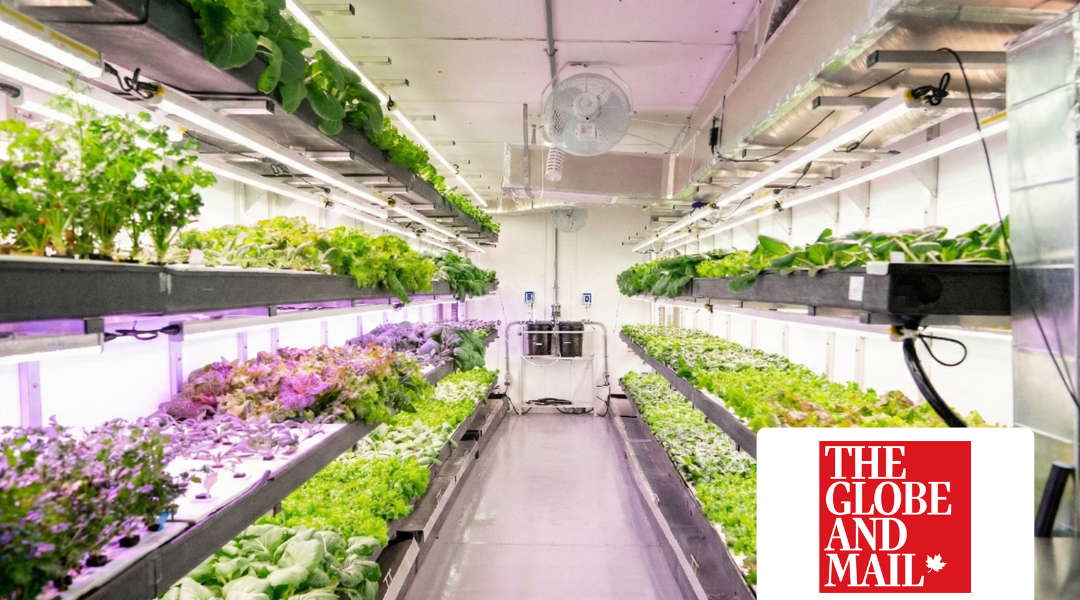
Interest in vertical farms grows with demand for Canadian products.
Governor General's Innovation Award · 2026
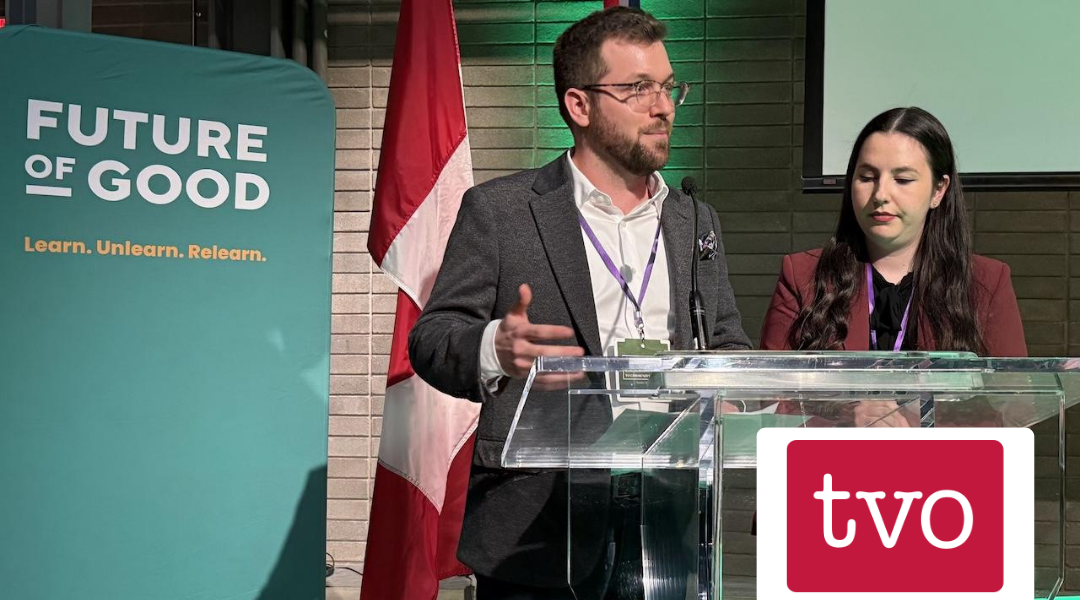
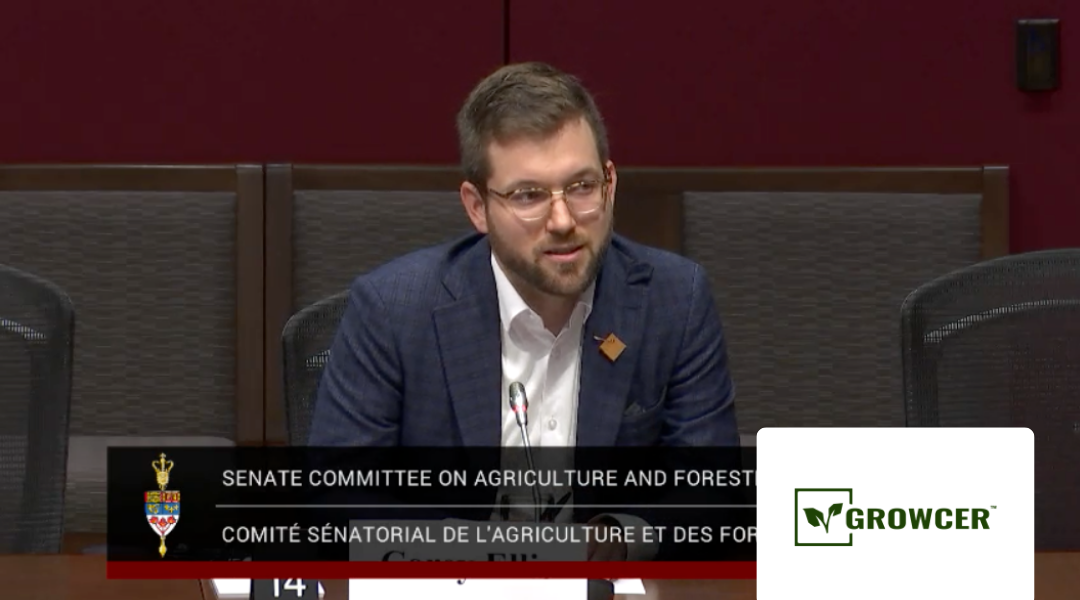
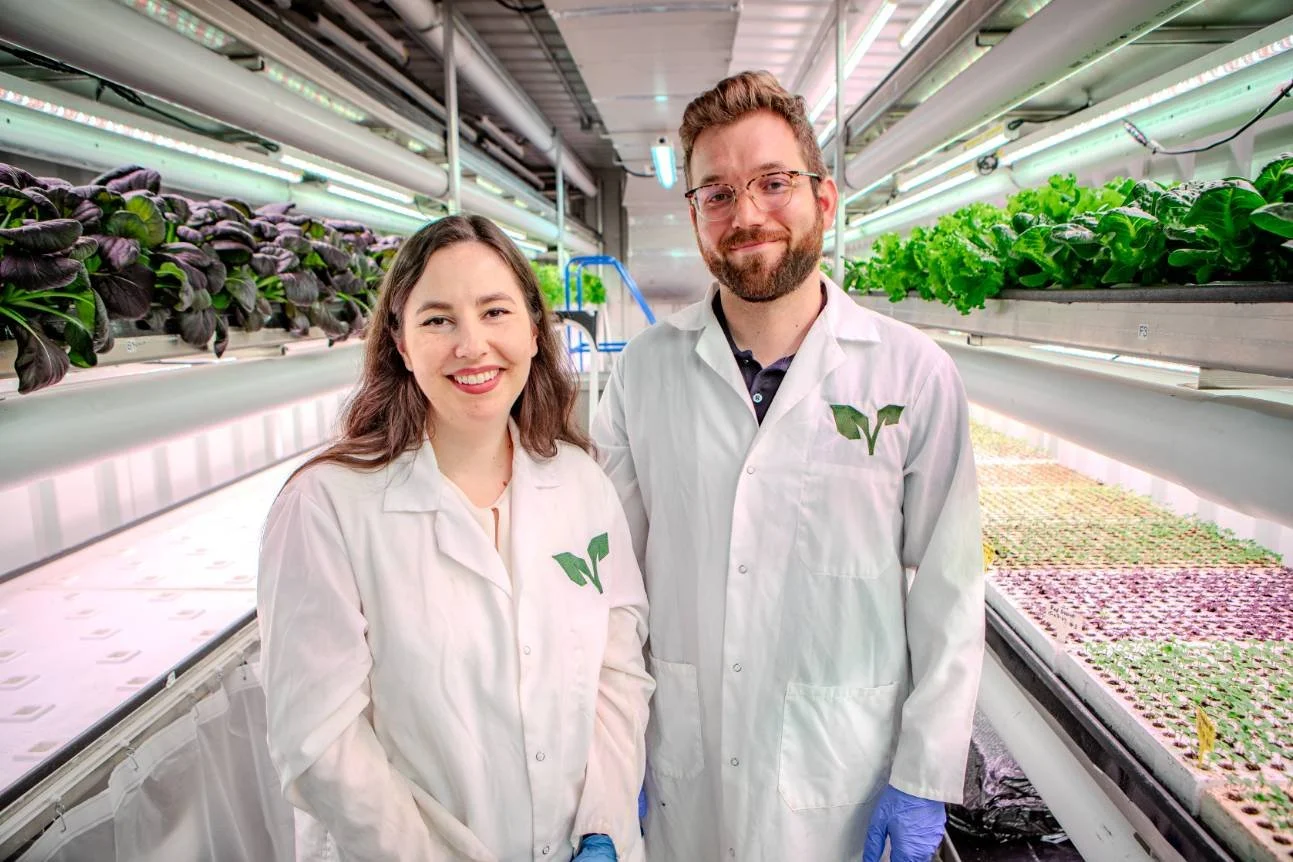
In April 2026, Growcer co-founders Corey Ellis and Alida Burke received the Governor General's Innovation Award for their work on modular vertical farming, one of Canada's most prestigious recognitions. Nominated by Invest Ottawa and MaRS Discovery District.
Recognized by the
Governor General of Canada.
This award belongs to the 120+ communities who did the hard work. Growcer built the technology. The communities proved it works.
Featured In





Your riding could be next.
One conversation could change everything for your community. Let's talk about what food infrastructure looks like in your riding.